
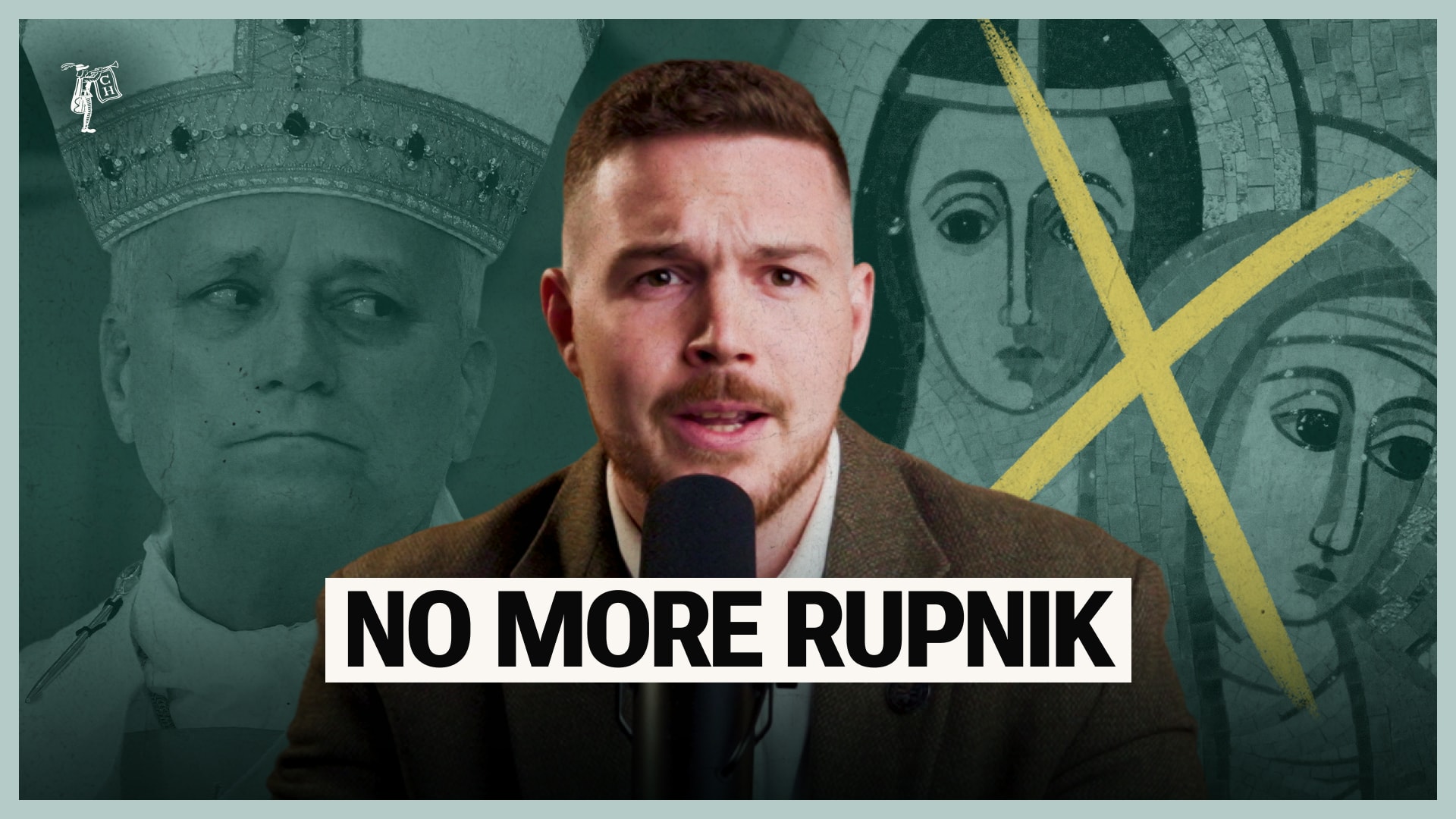
David Hahn opened this week with the news that Pope Leo personally ordered the Vatican to stop using artwork by Fr Marko Rupnik, less than a month into his pontificate. The disclosure came from Bishop Jean-Marc Micas of Lourdes, who confirmed that the remaining Rupnik mosaics on the shrine's facade will be permanently covered ahead of Pope Leo's visit at the end of September. "The Holy Father's visit to Lourdes is an opportunity to take another step forward on this issue," Micas said, adding that Vatican officials contacted him in early August specifically to ensure the Pope would not see any of the mosaics during his trip. Hahn walked through the case's troubled history: Rupnik was excommunicated in 2020 for absolving a sexual accomplice in confession, saw that excommunication lifted within weeks, was expelled from the Jesuits in July 2023 after allegations spanning 1985 to 2018 detailed in a 150-page dossier, and still faces a canonical trial with judges only appointed in October. For Hahn, Leo's swift action on the artwork only sharpens the question of why the same urgency has not yet reached the courtroom.
9:00 PM
Pope Leo erases Rupnik, FBI spied on Catholics and a bishop expands the TLM
David Hahn on Pope Leo's quiet order to erase Rupnik's art, the FBI spying on Catholic priests and West Virginia's expanding Latin Mass
The Catholic Herald

5 min read



Already a subscriber? Sign in
5freearticles every month
Continue reading with a free account. No card needed.
- Five free articles every thirty days, on any device you sign in on
- The Catholic Herald newsletter, every morning
- Subscribe whenever you like for everything: every article and the magazine
Related articles
 Featured Articles
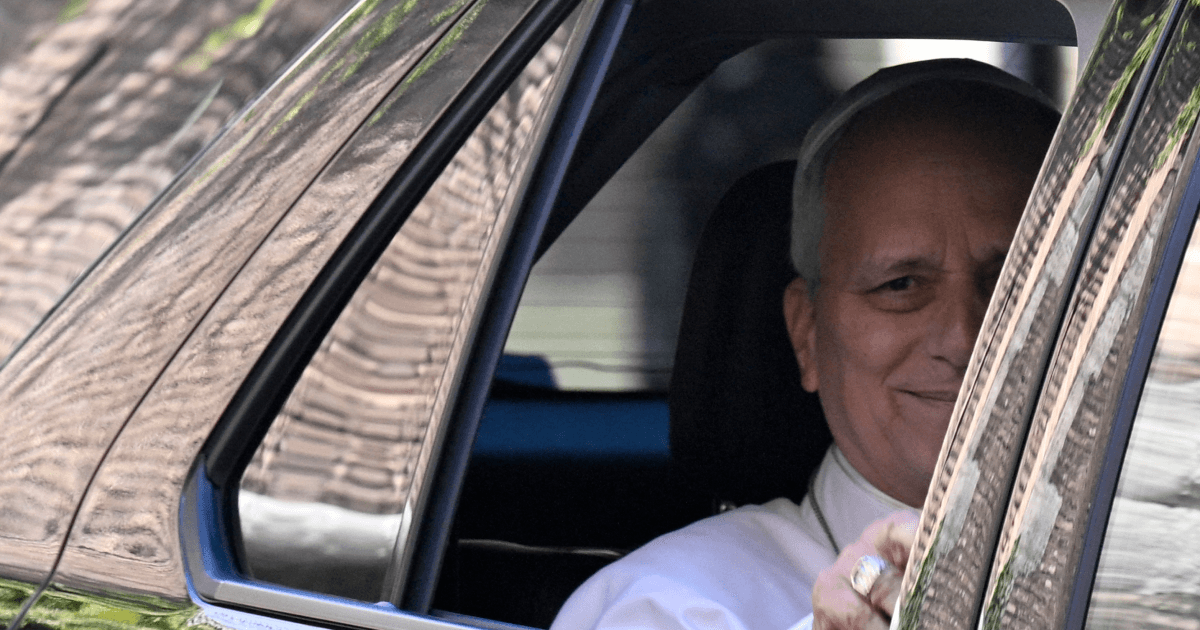
Week in Review: Pope Leo XIV recovers from surgery, US bishops address midterms and an SSPX update
This week saw Pope Leo undergo surgery, a new bishop in Brentwood, and an update from the SSPX
The Catholic Herald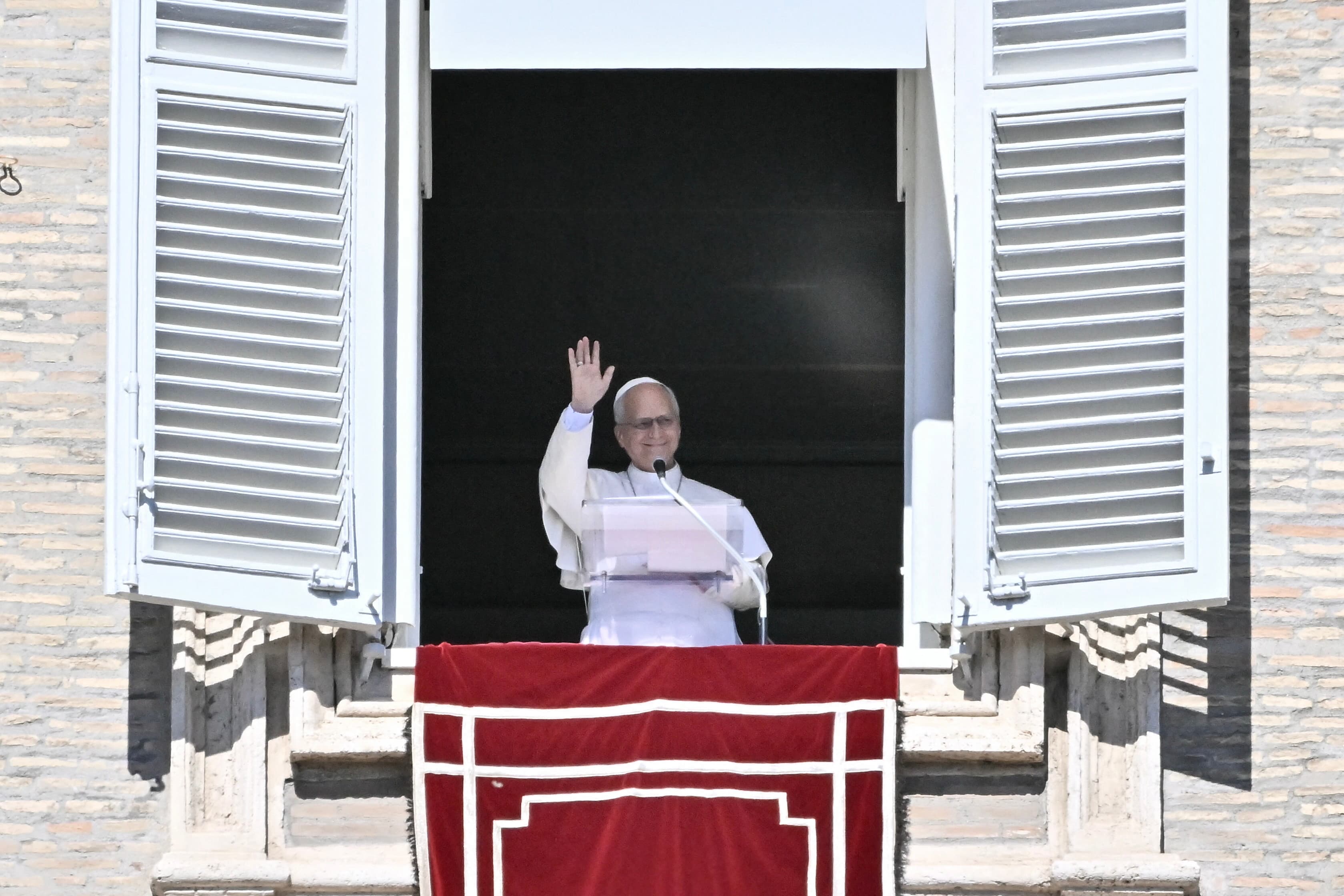 Featured Articles
Pope Leo XIV’s lung nodule confirmed as cancerous after surgery
Christine Rousselle Featured Articles
The Week Ahead: Pope Leo’s surgery, midterm crunch and a possible Irish saint
The Catholic Herald Featured Articles
The Week in Review: Death penalty debate, Drumcree and Anthropic
The Catholic Herald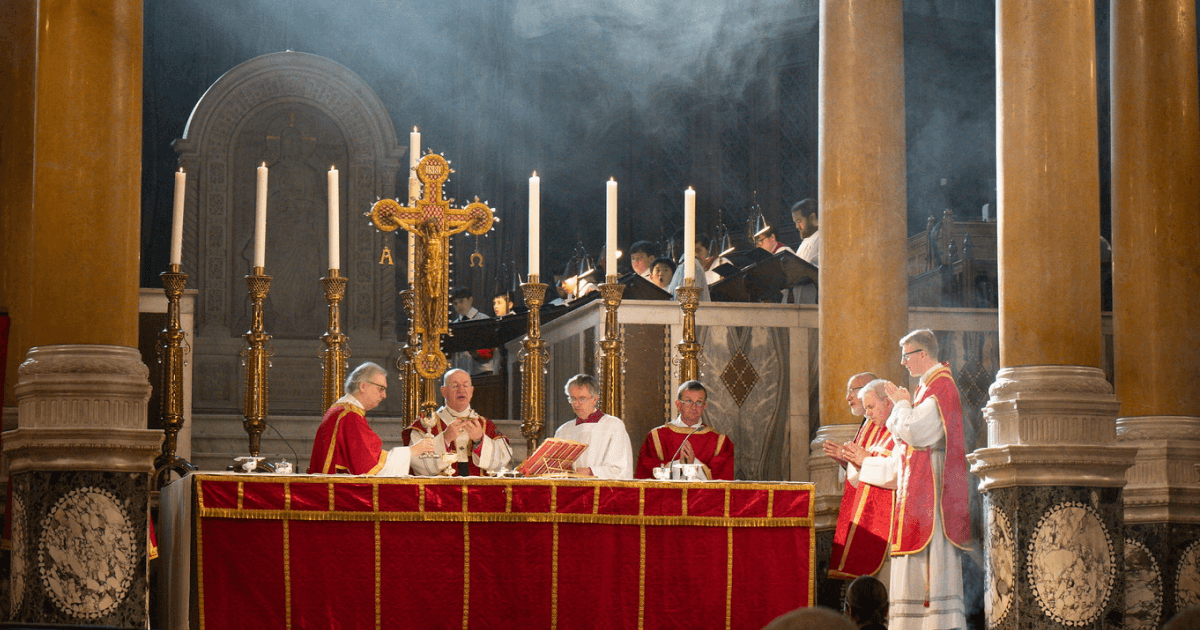 Featured Articles
In Pictures: Red Mass at Westminster Cathedral opens new legal year
The Catholic Herald
subscribe to the catholic herald today
Our best content is exclusively available to our subscribers. Subscribe today and gain instant access to expert analysis, in-depth articles, and thought-provoking insights—anytime, anywhere. Don’t miss out on the conversations that matter most.
Subscribe



