

May 25, 2026

Pope Leo XIV launches first encyclical

The Catholic Herald
More
Related
Min read
share

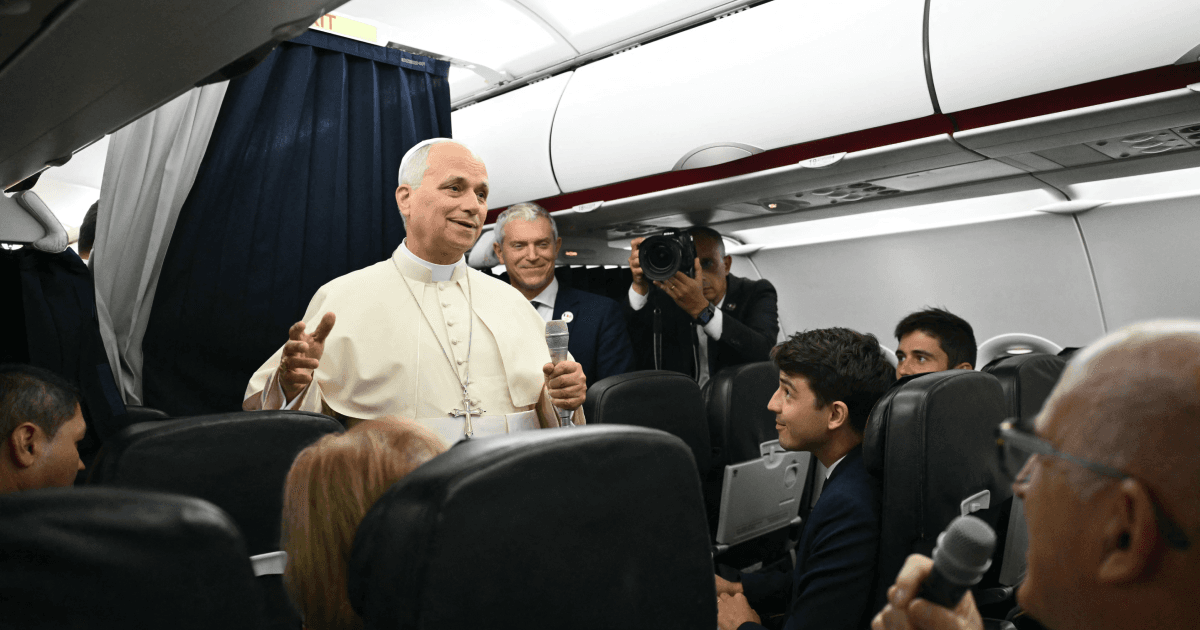
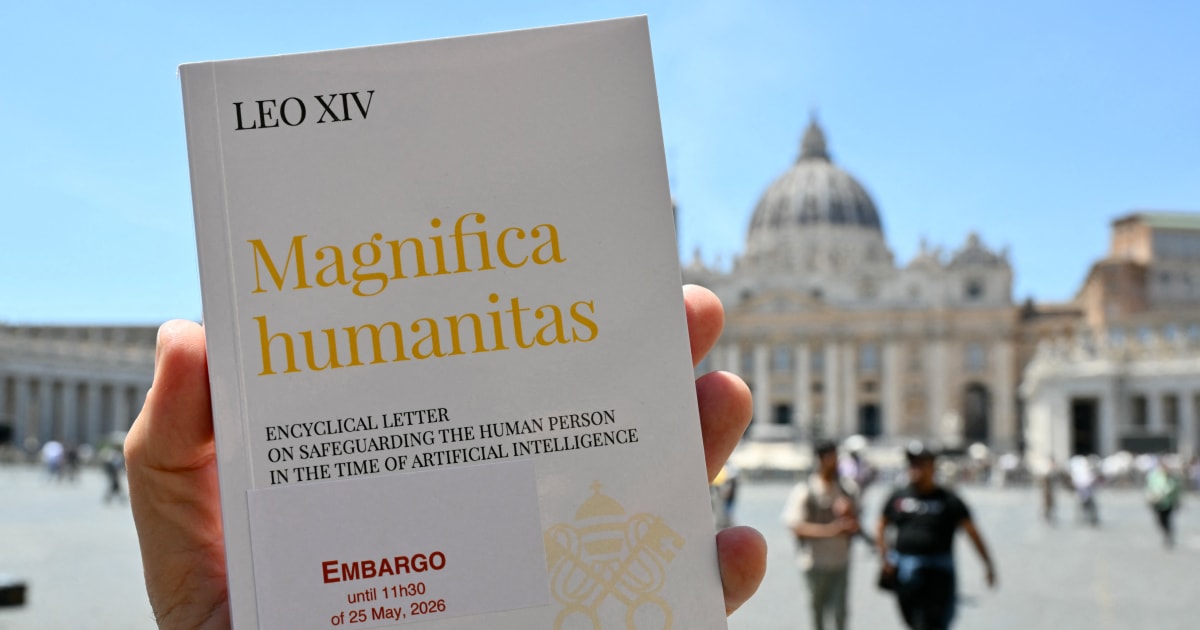
Pope Leo XIV has launched his first encyclical, Magnifica Humanitas, warning that artificial intelligence and other new technologies must be placed at the service of human dignity rather than domination, exclusion or war.

The document addresses the moral, social and spiritual challenges raised by AI, transhumanism and rapid technological change. Its publication date marked the 135th anniversary of Pope Leo XIII’s Rerum Novarum, the landmark 1891 encyclical on the rights of workers and the upheavals caused by the Industrial Revolution.
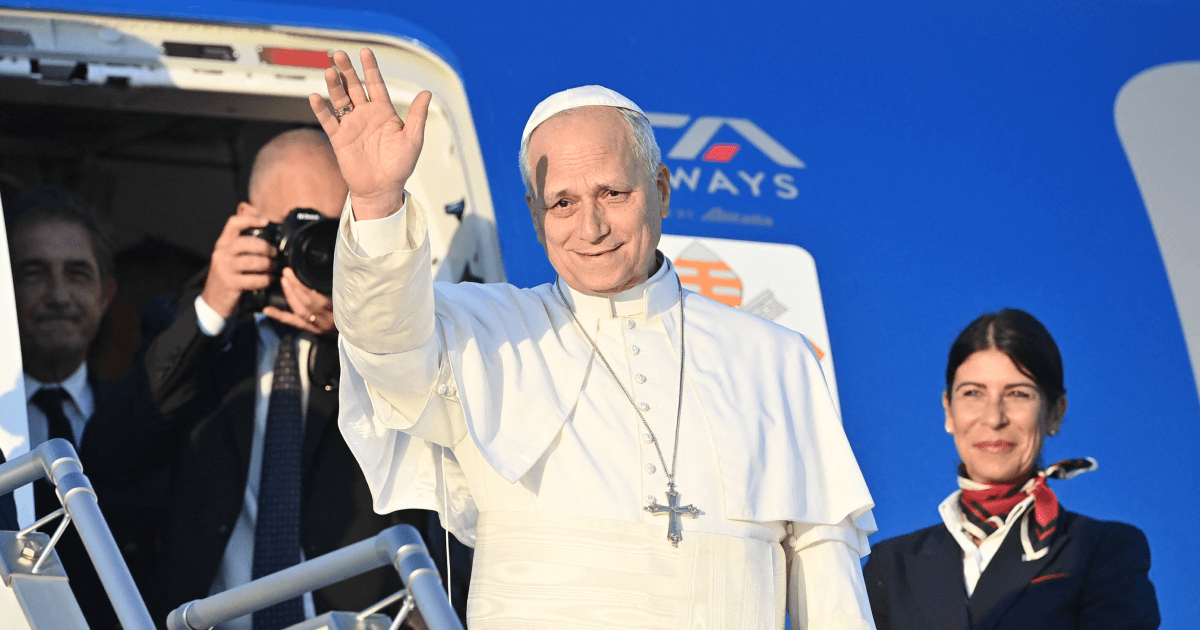
Speaking at the presentation of the encyclical in the Vatican Synod Hall, Pope Leo XIV said humanity was facing a transformation of historic scale.

“Artificial intelligence already touches many areas of our lives and affects decisions that shape human coexistence,” the Pope said, adding that it is also “dramatically changing how war is waged”.

The Holy Father said the Church must help humanity discern the meaning and direction of technological progress, just as Leo XIII responded to the social upheavals of industrialisation. He warned in particular against increasingly autonomous weapons systems, algorithmic decision-making that may deny people access to healthcare, employment or security, and the exploitation of personal data.

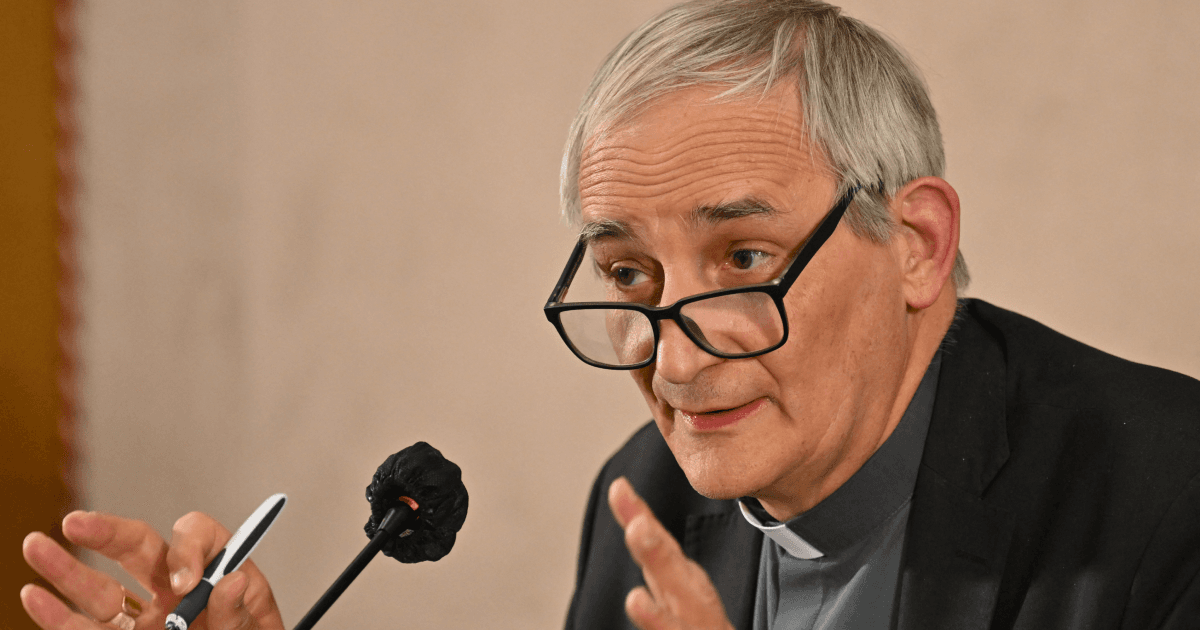
The encyclical’s subtitle, “in the time of artificial intelligence”, was described at the launch as significant. Cardinal Víctor Manuel Fernández, prefect of the Dicastery for the Doctrine of the Faith, said the document was not simply “on” AI, but concerned the human person in an age shaped by technological power.

“Humanity is magnificent,” Cardinal Fernández said, while acknowledging that the text also recognises “the terrible capacity for evil that lies within us”.

He warned that technology, if detached from moral truth, can intensify human woundedness and even reduce people to new forms of slavery. He also criticised strands of transhumanism and posthumanism that seek to overcome human limitation or imagine humanity being replaced.

Prof Anna Rowlands of Durham University said the encyclical was “not neutral”, but a critique of the danger of treating human beings as mere instruments of the state, the market or an “algorithmic order”. She warned that powers of innovation once held by states are now increasingly concentrated in the hands of a small number of wealthy private actors.

Christopher Olah, co-founder of the AI company Anthropic, also addressed the launch. He said those outside the incentives of the technology industry had an essential role in insisting on safety, restraint and the common good.

The Pope said artificial intelligence must be “disarmed” — a phrase he described as deliberately strong. He compared the task to the Church’s support for nuclear disarmament, arguing that every great technological power must be accompanied by moral discernment and public control.

Continue reading with a free account

Create a free account to read up to five articles each month
Create free account

You have # free articles remaining this month.

Subscribe to get unlimited access.
Sign up

subscribe to the catholic herald today

Our best content is exclusively available to our subscribers. Subscribe today and gain instant access to expert analysis, in-depth articles, and thought-provoking insights—anytime, anywhere. Don’t miss out on the conversations that matter most.
Subscribe