
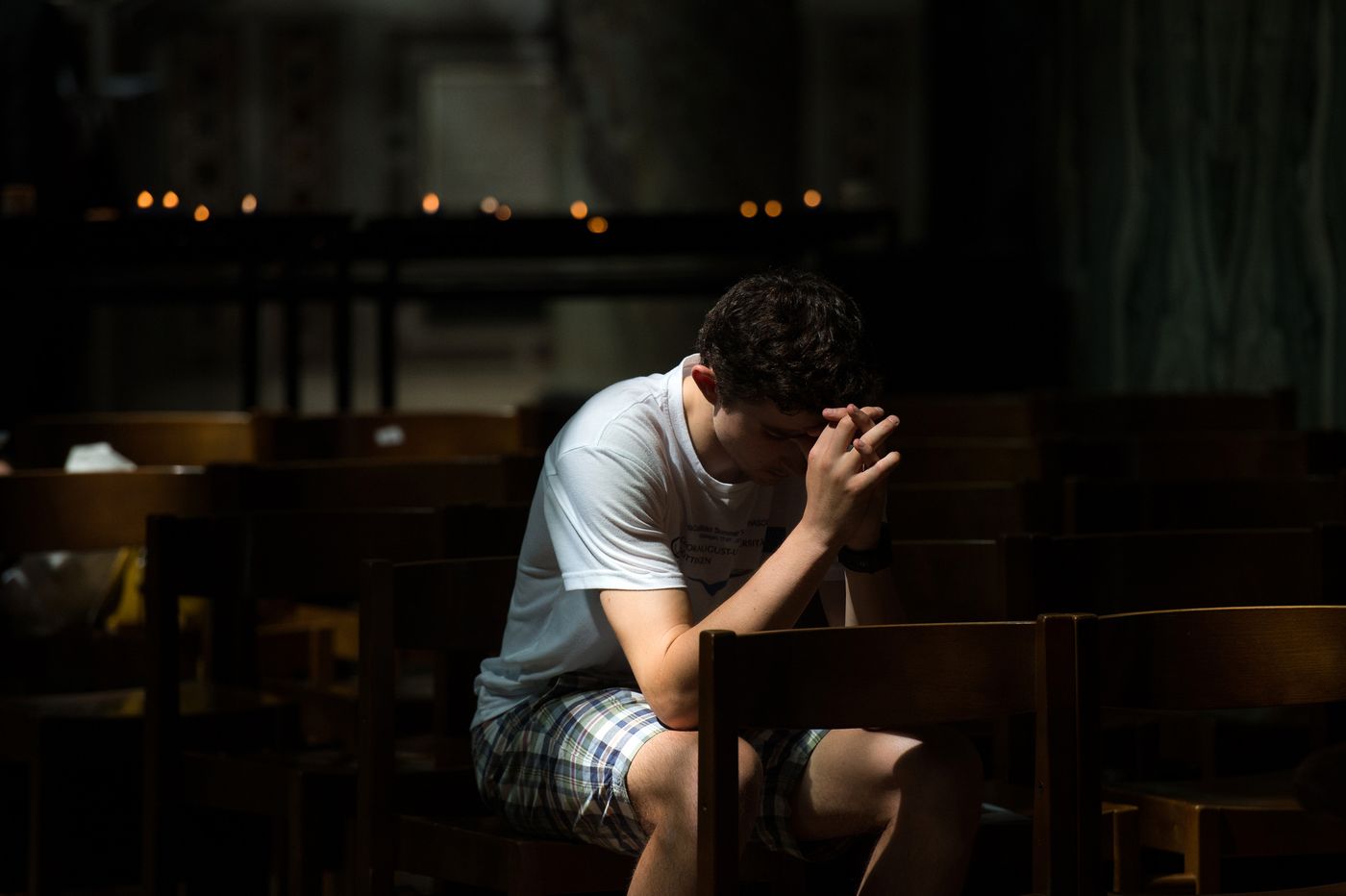
In his first audience of 2019, Pope Francis urged the faithful not to “parrot” their prayers – and to cease trying to “flatter” God by repeating streams of praise. The Lord doesn’t want to be “appeased” with adoration, he said: prayer should come from the heart, not from useless adulation. Indeed, a similar exhortation comes from Jesus in the New Testament referring to pagans babbling away in pointless repetition. And yet, may I enter here a plea for an alternative interpretation of prayer practice? There’s a lot to be said for the power of habit. I take my evidence from two sources: one is the practice of writing. It was the novelist Anthony Trollope who provided would-be writers with the most effective advice ever: just write something every day. It can be 100 words or it can be 5,000 words, but it must be something. Forget inspiration, said Trollope: just write. Even if it’s rubbish, the habit will eventually prompt something more valuable. (Trollope himself rose regularly at 4am to write several thousand words before embarking on his Royal Mail day job.) The second source is that of Alcoholics Anonymous, the worldwide organisation which helps alcoholics achieve sobriety. AA advises those struggling with alcohol addiction to “fake it till you make it”. Even if you can’t stay sober all the time, aspire to sobriety – even pretend, if need be. The everyday practice of striving for sobriety can bring success, through dint of custom and habit. Is there not, sometimes, a parallel with praying? You cannot always “pray from the heart”. If you’re dejected, depressed or preoccupied by some overwhelming concern, it can be difficult to utter heartfelt prayers. But just as with the practice of putting one word down after another helps the flow of writing, and one day of reluctant sobriety can produce another day of willing temperance, so the prayer from the heart may flow from the habit of praying. Pope Francis was focusing on the Lord’s Prayer. Even if your heart is not in gear, the Pater Noster still says it all.
2:30 PM
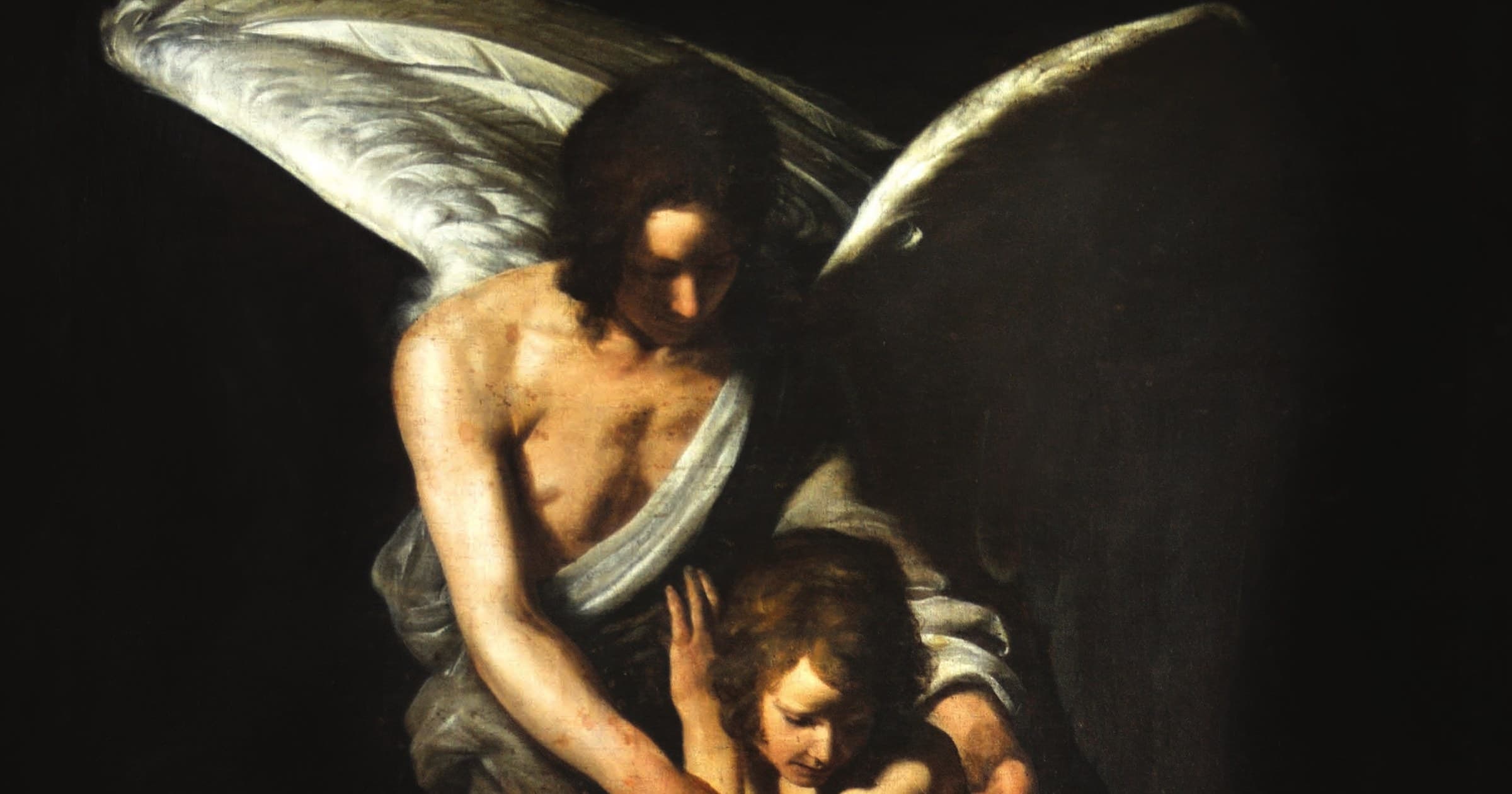
Praying out of habit is better than not praying at all
in his first audience of 2019, pope francis urged the faithful not to “parrot” their prayers – and to cease trying to “flatter” god by repea...
Mary Kenny
4 min read



Already a subscriber? Sign in
5freearticles every month
Continue reading with a free account. No card needed.
- Five free articles every thirty days, on any device you sign in on
- The Catholic Herald newsletter, every morning
- Subscribe whenever you like for everything: every article and the magazine
subscribe to the catholic herald today
Our best content is exclusively available to our subscribers. Subscribe today and gain instant access to expert analysis, in-depth articles, and thought-provoking insights—anytime, anywhere. Don’t miss out on the conversations that matter most.
Subscribe