


June 7, 2026

Pride Month and the search for belonging

Delphine Chui
More
Related
Min read
share

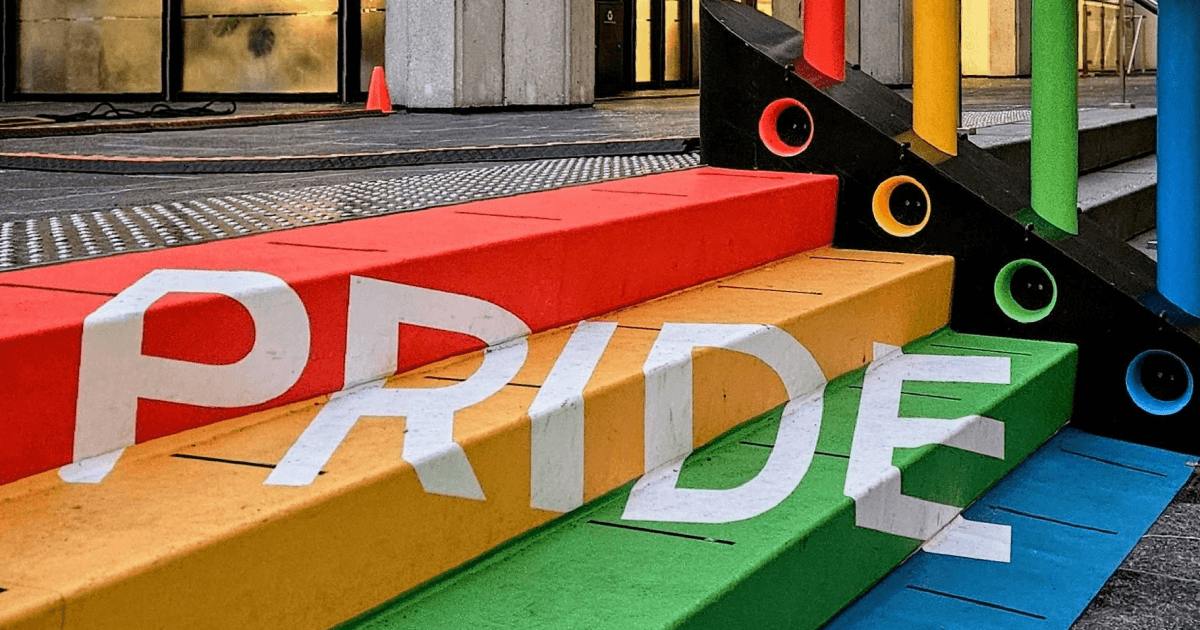
Every June, global brands undergo a far too familiar transformation. Corporate logos acquire rainbow colours, social media avatars are updated, marketing campaigns rewritten, and shop windows, email signatures and advertising slogans suddenly begin speaking the language of diversity and inclusion. The annual ritual raises an interesting question: what exactly is being celebrated during Pride Month – beyond virtue signalling? And why are so many institutions so eager to participate?

Even the word “pride” is poetically striking. In the Christian tradition, pride is not understood as a virtue but as the vice from which all others flow. It was pride that lay at the heart of the Fall: the desire to define oneself apart from God, to become self-creating rather than creature, to reject the given in favour of the chosen. The irony is difficult to ignore.


What Pride Month reveals, perhaps more than anything else, is the profound human desire for identity and belonging. We are social creatures who want to know who we are and where we fit. We desire to be seen, recognised and accepted by a community larger than ourselves. And the remarkable success of Pride as a cultural movement lies not simply in its political ideology, but in its ability to answer these perennial human longings. Pride offers a means of self-definition in an increasingly fragmented world, appealing not only to those who identify as LGBTQ+, but to a culture increasingly hungry for identity itself.

From the beginning of scripture, human beings were created not solely as isolated individuals but as relational creatures. Adam is not made to be alone, Israel is formed as a people and the Church is described as a body. Again and again, God calls all of us individuals into communion with Him and each other. This shows that the desire to belong is not a flaw, but part of our design.

The problem arises when that very desire becomes detached from its proper end and disordered. Modern Western culture increasingly encourages us to build our identity from within, positioning the self as a project to be constructed, curated and expressed. Identity is no longer something received but something we choose, with the highest good becoming authenticity to our inner feelings rather than conformity to any external and objective truth.

This is where many contemporary debates become difficult to navigate, because the question is no longer simply what is true, but what affirms a person’s chosen identity. To disagree is interpreted not as a difference of judgement but as a denial of someone’s personhood. The result has been that the idea of identity has now earned an almost sacred status.

In previous generations, belonging was often rooted in family, neighbourhood, parish, nation or a shared religious tradition. Today, as people move more frequently, families grow smaller, church attendance declines and local communities become increasingly fragmented, many of those traditional sources of identity have weakened.

The need for belonging, however, has not disappeared. We still search for places, people and stories through which to understand ourselves. This helps explain why internet memes spread across the globe in a matter of hours, why seemingly obscure phrases become part of everyday conversation, and why online communities can feel so compelling. Even in the digital age, we remain deeply social creatures, longing to share and participate.

We do not stop seeking meaning simply because traditional sources of meaning have become less influential. Instead, we seek substitutes. Political movements become communities, consumer brands become tribes, and causes become substitutes for creeds. In this sense, Pride Month is not merely about sexuality; it reflects a broader cultural shift in which identity itself has become one of the dominant organising principles of public life.

However, the enthusiasm with which corporations embrace these symbols is revealing. Businesses exist primarily to generate profit; yet many now present themselves as moral actors, no longer simply selling products but actively seeking to communicate values, beliefs and supposed social justice. The irony is that these same corporations often adapt their messaging according to the local market. While a rainbow logo may appear in London, New York or Sydney, you’ll notice its absence in countries where such messaging would be commercially disadvantageous. This suggests that corporate activism is often less about conviction than reputation management. But the popularity of these campaigns cannot be explained by corporate strategy alone; they resonate because they tap into genuine human longings: the desire to be known, included and valued.

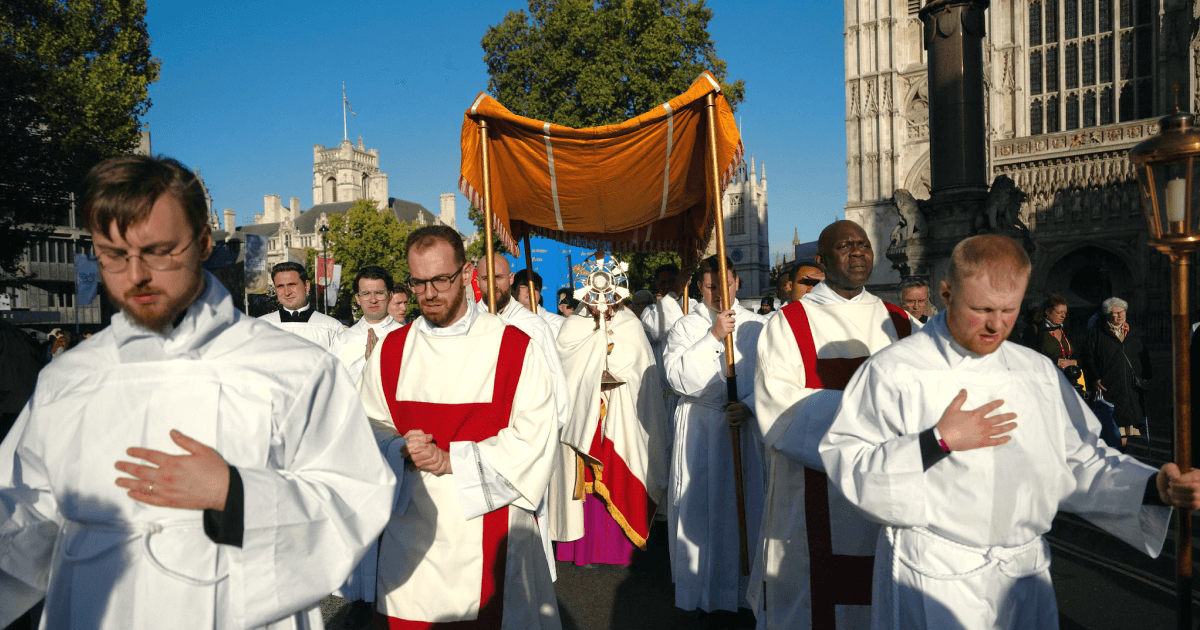
In Catholic life, June has its own recurring rhythm. The Church turns towards the Sacred Heart of Jesus, not as a vague symbol of warmth, but as a revelation of who God is and what the human person is for. The term “Sacred Heart” denotes not only a physical image, but “the entire mystery of Christ”, his person in “infinite charity” and “divine-human love” offered for the salvation and sanctification of humanity.

The Sacred Heart of Jesus reminds us that we are not defined primarily by our desires, achievements, political affiliations or personal narratives, but by the fact that we are loved into existence by God. As sons and daughters of a loving Father, our most fundamental identity is not self-created but received. This vision is both liberating and challenging as it means that identity cannot be separated from truth.

The Church therefore proposes something increasingly countercultural: that human flourishing is found not through endless self-definition but through self-gift. Not through constructing an identity, but through discovering who we are in relationship to God and others. This is why Catholics should be cautious about reducing every conversation to culture-war slogans. The deeper issue is not rainbow logos but the widespread hunger for community, purpose and meaning that those logos attempt to satisfy.

The tragedy is not that people seek these things but that we seek them in places incapable of fully providing them. The Church’s response should not be outrage alone, nor withdrawal. It should be the confident presentation of a richer vision of human identity in which every person possesses infinite dignity because they are made in the image of God.

One of the loudest promises of identity-driven culture is that it creates community. Yet too often it creates communities that are tribal, guarded and performative, where acceptance is contingent upon affirming the right beliefs, displaying the right symbols or adopting the correct language. When modern culture says, in effect, “Prove that you belong by aligning yourself with this particular identity,” the Sacred Heart offers something profoundly different: “Belong because you are loved, and allow that love to transform you in truth.”

The Christian vision does not separate belonging from truth, nor truth from love. A community built solely on affirmation may feel comforting for a time, but conditional acceptance without truth ultimately becomes a fragile home, unable to bear the weight of the whole person and all of our complexities.

Perhaps, then, June can become not simply a month of slogans and corporate rebranding, but an opportunity to witness to a richer vision of belonging – one rooted not in marketable identities or shifting cultural symbols, but in Christ’s merciful love, which welcomes every person while calling each of us to become fully who we were created to be.

Continue reading with a free account

Create a free account to read up to five articles each month
Create free account

You have # free articles remaining this month.

Subscribe to get unlimited access.
Sign up

subscribe to the catholic herald today

Our best content is exclusively available to our subscribers. Subscribe today and gain instant access to expert analysis, in-depth articles, and thought-provoking insights—anytime, anywhere. Don’t miss out on the conversations that matter most.
Subscribe