


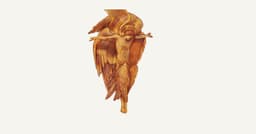

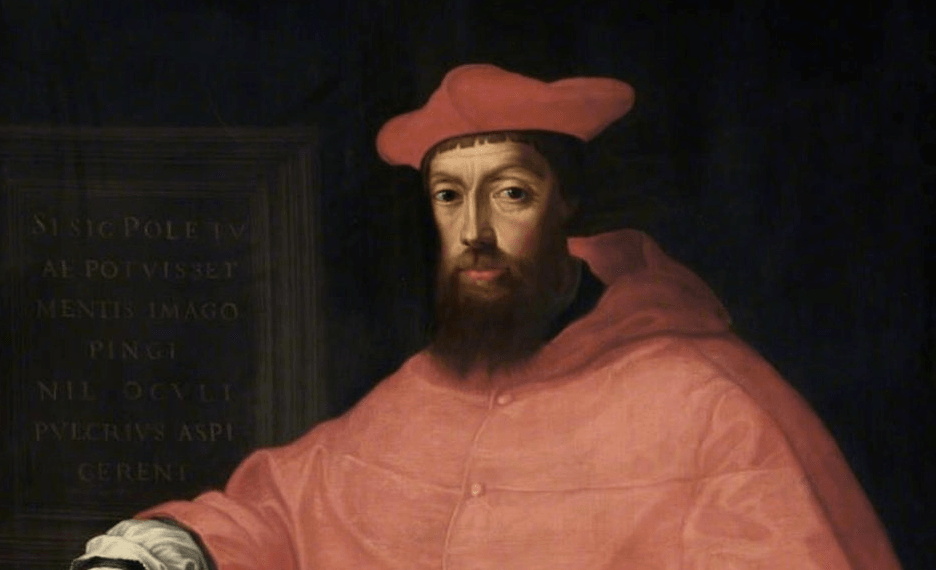
Between 1534 and 1554, there were two people claiming to be bishop of Worcester and two to be bishop of Salisbury; and between 1559 and 1585, two claiming to be bishop of St Asaph. In all cases one of those two prelates was a royal appointee living in England and the other was appointed by (and living in) Rome. Let me explain. For decades before the Reformation, Worcester and Salisbury had been held by absentee Italians – all egregious examples of the twin vices of non-residence and pluralism which blighted the late-medieval Church. In 1534, when Henry VIII repudiated Rome, these two foreigners were deposed and their sees bestowed on royal nominees, one of them Hugh Latimer (a zealous Protestant), who got Worcester, and the other a dutiful “Henrician”, who got Salisbury. However, Rome took no notice of all this and the two Italians continued to regard themselves as the legitimate bishops of their English sees. Moreover, when the first of them died in 1539, Rome observed the ancient principle that the benefice of any cleric dying while at the Curia was in the pope’s gift – and appointed a successor, a distinguished Italian cardinal. He in turn died in 1542, the absentee Italian bishop of Salisbury having predeceased him by a few months. Whereupon the then pope, Paul III, daringly appointed two Englishmen to the vacant sees. The first of these was Richard Pate (or Pates). A nephew of the then bishop of Lincoln, he had arrived suddenly in Rome in early 1541, having done a carefully planned bunk while heading a royal embassy to the emperor Charles V. He quickly made contact with another Englishman who had long before fled his homeland: Reginald Pole, a cardinal and papal confidant. Thanks to Pole, Pate was appointed bishop of Worcester. Meanwhile, another English fugitive had arrived in the Eternal City: one William Peto, a zealous Franciscan and secret confidant of the future Queen Mary. He had fled England in the early 1530s and, after many travels, reached Rome. There he was ordained bishop of Salisbury in March 1543. Both Pate and Peto (like Pole) had been “attainted”, that is, declared traitors by Parliament, and faced being executed if they returned to their homeland. Both, with Pole, attended the first sessions of the momentous Council of Trent, which began in 1545. Then, at last, in 1553 the Catholic Mary Tudor ascended the throne and set about restoring the old order; and the two exiled bishops of Worcester and Salisbury came back to England – together with Pole, who had been appointed to replace the heretical Cranmer as archbishop of Canterbury. But how were they to take possession of their sees? First, their attainders had to be “lifted” by Parliament. That was the easy bit. Since Cranmer had been validly ordained and appointed to Canterbury by Rome long since, Pole could not take his place until Cranmer had been formally deposed. So Pole was not consecrated archbishop until March 1556. Salisbury was comparatively straightforward. Its schismatic but validly ordained incumbent had conveniently died, so Peto could take possession of his see at once. But Worcester was very complicated. For a while in 1554 there were four people with the title of bishop: the long-since-resigned Hugh Latimer; his successor Thomas Heath, future archbishop of York, who was deprived of his see in 1551 by the Protestant regime and replaced by one Thomas Hooper (who was eventually burnt, along with Latimer and Cranmer). Heath was restored to Worcester by Mary – only to be soon translated to York, thus making way for Pate – and enabling the latter at last to take up residence in the see of which he had been pastor in absentia for 13 years.
12:00 AM
Prisoners, exiles and missionaries: the bishops Elizabeth deposed
between 1534 and 1554, there were two people claiming to be bishop of worcester and two to be bishop of salisbury; and between 1559 and 1585...
Jack Scarisbrick

10 min read



Already a subscriber? Sign in
5freearticles every month
Continue reading with a free account. No card needed.
- Five free articles every thirty days, on any device you sign in on
- The Catholic Herald newsletter, every morning
- Subscribe whenever you like for everything: every article and the magazine



subscribe to the catholic herald today
Our best content is exclusively available to our subscribers. Subscribe today and gain instant access to expert analysis, in-depth articles, and thought-provoking insights—anytime, anywhere. Don’t miss out on the conversations that matter most.
Subscribe



