February 12, 2026

Reading, writing, rebellion

Mary Kenny
More
Related
Min read
share

The most famous of all Irish writers must be James Joyce, the template for modern literature. The deceptive simplicity of Dubliners has become a literary model, and his stream-of-consciousness in Ulysses launched a new literary genre in 1921 when it was first published in serial form in The Little Review. 

Joyce is also an exemplar for many Irish writers, too, in his complex relationship with both Irishness and Catholicity. Joyce renounced his childhood faith (and he didn’t have much time for Irish nationalism either); and Ireland, to some extent, renounced him, initially  – especially when Ulysses, banned in Britain and America, attracted charges of obscenity. The Jesuits who educated Joyce did not claim their alumnus.
But as time went by, perspectives changed and Joyce was reassessed as a writer who was inextricably imbued with the Catholicism of his Jesuit formation. As Kevin Sullivan wrote in Joyce Among the Jesuits, he would never have become the great writer he was without his Catholic and Jesuit education. “The Irish Jesuits left on Joyce a psychological, moral, religious, intellectual and even social impress which… explains the kind of person he was… the kind of work he produced.” The imprint of faith prompted Joyce’s commitment to his own vocation in life, and while, as a young man, he had “left the Catholic Church, hating it most fervently”, as Bruce Bradley SJ has written, in maturity he came to appreciate the gifts of his formation. In their turn, the Jesuits came to see what a pearl they had fashioned, and his portrait hangs, today, in Dublin’s Belvedere College.

Many Irish writers followed in Joyce’s footsteps in their attitudes to Catholicism: rebelling against its strictures, disciplines, traditional views on chastity and yet drawing on its influence. For some 20th-century Irish writers, rebelling against faith was not the patriarchal struggle against the authority of the father, but the fight against the cloying attachment of the mother, especially where the mother was the source of faith. Sean O Faolain, remembering Irish mothers with their Rosaries, wrote that he despised and hated Catholicism’s “effeminate ways”. 

But if the writer reacted against the dominance of Mother Church, some, like Joyce, also drew on what a Catholic formation had provided. The poet Austin Clarke wrote about his mother’s constricting puritanism, alongside the “exclamatory prayers, perfumed as incense…” which filled him with a sense of both the mystical and the carnal. Faith tells a story, develops the imagination, heightens experience, and Irish writers benefitted from it, even when they battled with it, as they often did. 

The Irish State was formally established in 1922, and it was, indeed, identified as a Catholic nation - the population was 95 per cent Catholic. Historically, this was no more extraordinary than Greece being Orthodox or Denmark Lutheran. But as the century wore on, and especially after Eire’s neutrality in 1939-45, Irish culture became more isolated, more inward-looking, and the institution of the Church became too powerful. 

Literary censorship had started in the 1930s but it intensified with time, reaching its apotheosis in the mid-1950s. Almost every writer of merit had something banned, and some writers of little merit joined them with a trashier output. The censorship system had a low bar – if two people submitted a book, it was considered for prohibition. The novelist Benedict Kiely told me that he suspected that jealous writers sometimes submitted their rivals’ books – even though “Banned in Eire” might increase sales elsewhere.

Thus Irish writers were often at war with the Irish Catholic Church, seeing the parish priest’s influence behind the censorship. Fine novelists like Kate O’Brien were banned for a single line that implied a same-sex embrace. Her namesake Edna O’Brien had her first novel, The Country Girls, prohibited apparently at the instigation of the draconian Archbishop of Dublin, John Charles McQuaid. An enlightened justice minister, Brian Lenihan, then changed the censorship criteria in 1965 and lifted the ban on some 6,000 books. 

But the reputational damage had been done. Even writers who produced work which reflected their own sincere faith sometimes came under the censorship for no discernible reason – like Maura Laverty, who wrote two enchanting autobiographical novels set in Spain, Never No More and No More than Human. 

Some authors, like the beguiling short-story writer Frank O’Connor, deplored the institutional church, but depicted individual clergy with humour and humanity– he produced an entertaining collection of stories about priests called The Collar. Mary Lavin was another wonderful author who often wrote, insightfully, about nuns, as did Maeve Binchy, whose fictional nuns are nearly always benign and caring. John McGahern, a major writer who also suffered, initially, from the censorship, preserved, throughout his work, a delicate sensibility about the sense of “the sacred” palpable in the terrain of Ireland. 

Probably the most identifiably Catholic of modern Irish writers was Patrick Kavanagh, a quixotic Bohemian who drank, gambled and caroused around Dublin during the 1950s. Kavanagh draws deeply on the poverty, and the holiness, of his native Monaghan soil. His autobiography, The Green Fool, depicts a world in which the Rosary, the Litany of the Saints and the Hail Holy Queen accompanied human preoccupations, including money, cattle and neighbourly malice. His yearning love-ballad “Raglan Road” was immortalised in song by Sinéad O’Connor. Kavanagh, despite (or because of) a rackety life, remained a committed Catholic all his life, and after he died, three priests (Fathers Tom Stack, Austin Flannery and Cyril Barrett SJ) blessed his sculptured replica by the banks of Dublin’s main canal. 

The generations of Irish writers which followed mostly continued in opposition to the Catholic church, which represented, for them, a repressive past. John Banville sets his Benjamin Black stories in a dark, church-dominated 1950s Ireland – this is “Irish noir”. Colm Tóibín features Irish Catholicism as part of a naturalistic setting in his novels, but in his non-fictional writing, and at interview, he is critical of Catholic influence, as is Roddy Doyle. It is hard to think of a woman writer in Ireland today who portrays Catholic values in anything but a negative light – in Sally Rooney’s successful Normal People, the only Catholic in the story is a mean-spirited and hypocritical older woman. Eimear McBride connects Irish Catholicism with abuse. 

The distinguished Emma Donoghue says she is a person of private faith, but it is more in the subtext than in the presentation. Younger writers like Kevin Barry and Donal Ryan do have a certain sensibility to the flavour of Ireland’s spiritual core, although Austin Clarke’s exclamatory invocations are now more likely to feature as swear-words: “Jesus Christ!” – or even Jesus effing Christ. 

In Sinead Gleeson’s recent collection of a hundred Irish short stories, The Art of the Glimpse, allusions to Catholicism only appear in about a dozen, and several of those are by writers from the past. The latest generation of Irish writers now publishing are producing a lavish amount of work, much of it very talented, but Catholicism has largely slipped from the stage. 

Yet I believe that whatever is embedded in a culture remains on deposit, and eventually returns. The deeply Catholic element that was in the collective Irish psyche will resurface, perhaps in different creative forms. 

As James Joyce knew, a writer draws on his roots and the transcendental feeds the artist’s imagination.

Mary Kenny’s The Way We Were – Essays on Catholic Ireland will be published next year by Currach Books

The most famous of all Irish writers must be James Joyce, the template for modern literature. The deceptive simplicity of Dubliners has become a literary model, and his stream-of-consciousness in Ulysses launched a new literary genre in 1921 when it was first published in serial form in The Little Review. 

Joyce is also an exemplar for many Irish writers, too, in his complex relationship with both Irishness and Catholicity. Joyce renounced his childhood faith (and he didn’t have much time for Irish nationalism either); and Ireland, to some extent, renounced him, initially  – especially when Ulysses, banned in Britain and America, attracted charges of obscenity. The Jesuits who educated Joyce did not claim their alumnus.
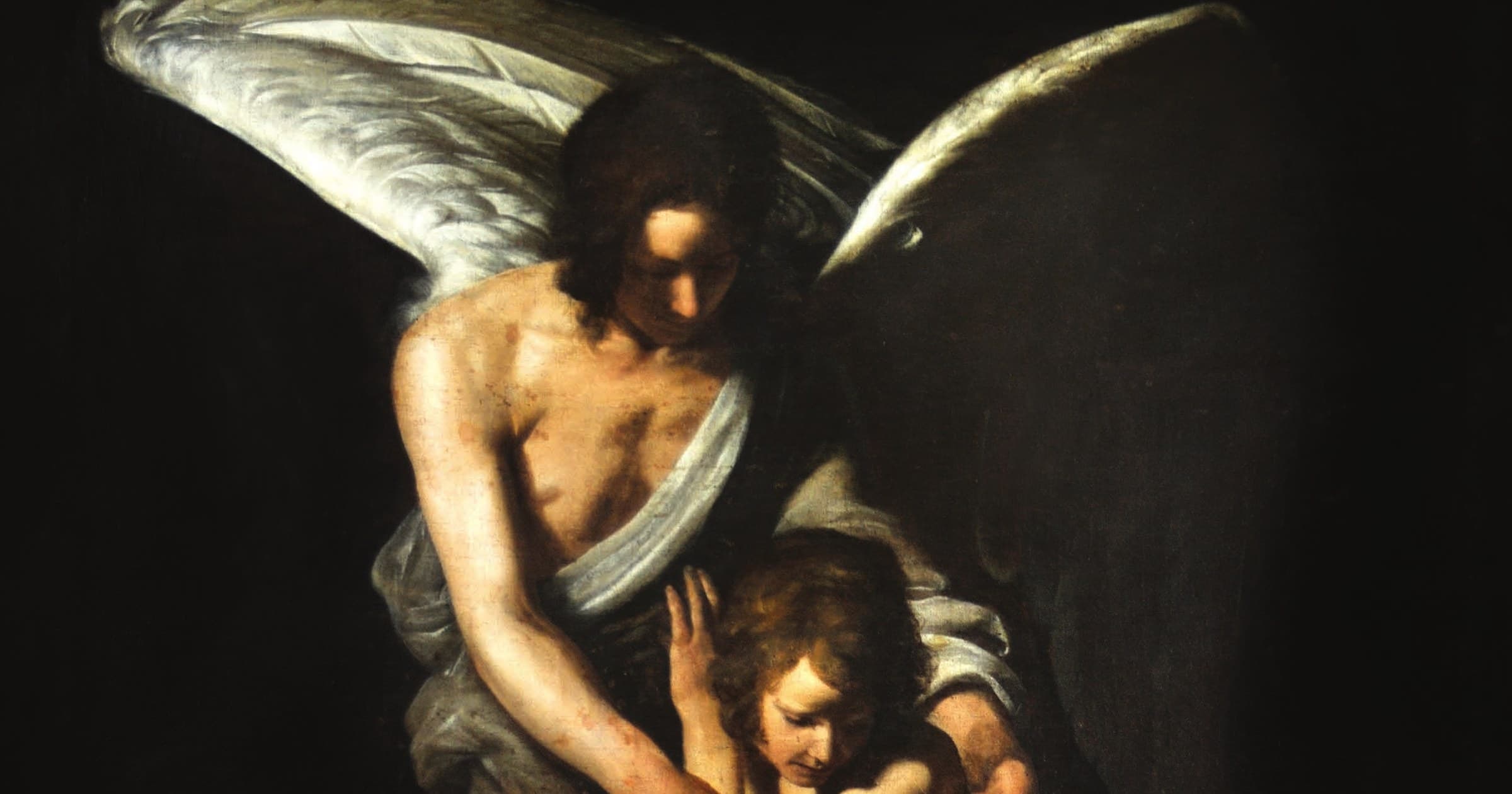
But as time went by, perspectives changed and Joyce was reassessed as a writer who was inextricably imbued with the Catholicism of his Jesuit formation. As Kevin Sullivan wrote in Joyce Among the Jesuits, he would never have become the great writer he was without his Catholic and Jesuit education. “The Irish Jesuits left on Joyce a psychological, moral, religious, intellectual and even social impress which… explains the kind of person he was… the kind of work he produced.” The imprint of faith prompted Joyce’s commitment to his own vocation in life, and while, as a young man, he had “left the Catholic Church, hating it most fervently”, as Bruce Bradley SJ has written, in maturity he came to appreciate the gifts of his formation. In their turn, the Jesuits came to see what a pearl they had fashioned, and his portrait hangs, today, in Dublin’s Belvedere College.

Many Irish writers followed in Joyce’s footsteps in their attitudes to Catholicism: rebelling against its strictures, disciplines, traditional views on chastity and yet drawing on its influence. For some 20th-century Irish writers, rebelling against faith was not the patriarchal struggle against the authority of the father, but the fight against the cloying attachment of the mother, especially where the mother was the source of faith. Sean O Faolain, remembering Irish mothers with their Rosaries, wrote that he despised and hated Catholicism’s “effeminate ways”. 

But if the writer reacted against the dominance of Mother Church, some, like Joyce, also drew on what a Catholic formation had provided. The poet Austin Clarke wrote about his mother’s constricting puritanism, alongside the “exclamatory prayers, perfumed as incense…” which filled him with a sense of both the mystical and the carnal. Faith tells a story, develops the imagination, heightens experience, and Irish writers benefitted from it, even when they battled with it, as they often did. 

The Irish State was formally established in 1922, and it was, indeed, identified as a Catholic nation - the population was 95 per cent Catholic. Historically, this was no more extraordinary than Greece being Orthodox or Denmark Lutheran. But as the century wore on, and especially after Eire’s neutrality in 1939-45, Irish culture became more isolated, more inward-looking, and the institution of the Church became too powerful. 

Literary censorship had started in the 1930s but it intensified with time, reaching its apotheosis in the mid-1950s. Almost every writer of merit had something banned, and some writers of little merit joined them with a trashier output. The censorship system had a low bar – if two people submitted a book, it was considered for prohibition. The novelist Benedict Kiely told me that he suspected that jealous writers sometimes submitted their rivals’ books – even though “Banned in Eire” might increase sales elsewhere.

Thus Irish writers were often at war with the Irish Catholic Church, seeing the parish priest’s influence behind the censorship. Fine novelists like Kate O’Brien were banned for a single line that implied a same-sex embrace. Her namesake Edna O’Brien had her first novel, The Country Girls, prohibited apparently at the instigation of the draconian Archbishop of Dublin, John Charles McQuaid. An enlightened justice minister, Brian Lenihan, then changed the censorship criteria in 1965 and lifted the ban on some 6,000 books. 

But the reputational damage had been done. Even writers who produced work which reflected their own sincere faith sometimes came under the censorship for no discernible reason – like Maura Laverty, who wrote two enchanting autobiographical novels set in Spain, Never No More and No More than Human. 

Some authors, like the beguiling short-story writer Frank O’Connor, deplored the institutional church, but depicted individual clergy with humour and humanity– he produced an entertaining collection of stories about priests called The Collar. Mary Lavin was another wonderful author who often wrote, insightfully, about nuns, as did Maeve Binchy, whose fictional nuns are nearly always benign and caring. John McGahern, a major writer who also suffered, initially, from the censorship, preserved, throughout his work, a delicate sensibility about the sense of “the sacred” palpable in the terrain of Ireland. 

Probably the most identifiably Catholic of modern Irish writers was Patrick Kavanagh, a quixotic Bohemian who drank, gambled and caroused around Dublin during the 1950s. Kavanagh draws deeply on the poverty, and the holiness, of his native Monaghan soil. His autobiography, The Green Fool, depicts a world in which the Rosary, the Litany of the Saints and the Hail Holy Queen accompanied human preoccupations, including money, cattle and neighbourly malice. His yearning love-ballad “Raglan Road” was immortalised in song by Sinéad O’Connor. Kavanagh, despite (or because of) a rackety life, remained a committed Catholic all his life, and after he died, three priests (Fathers Tom Stack, Austin Flannery and Cyril Barrett SJ) blessed his sculptured replica by the banks of Dublin’s main canal. 

The generations of Irish writers which followed mostly continued in opposition to the Catholic church, which represented, for them, a repressive past. John Banville sets his Benjamin Black stories in a dark, church-dominated 1950s Ireland – this is “Irish noir”. Colm Tóibín features Irish Catholicism as part of a naturalistic setting in his novels, but in his non-fictional writing, and at interview, he is critical of Catholic influence, as is Roddy Doyle. It is hard to think of a woman writer in Ireland today who portrays Catholic values in anything but a negative light – in Sally Rooney’s successful Normal People, the only Catholic in the story is a mean-spirited and hypocritical older woman. Eimear McBride connects Irish Catholicism with abuse. 

The distinguished Emma Donoghue says she is a person of private faith, but it is more in the subtext than in the presentation. Younger writers like Kevin Barry and Donal Ryan do have a certain sensibility to the flavour of Ireland’s spiritual core, although Austin Clarke’s exclamatory invocations are now more likely to feature as swear-words: “Jesus Christ!” – or even Jesus effing Christ. 

In Sinead Gleeson’s recent collection of a hundred Irish short stories, The Art of the Glimpse, allusions to Catholicism only appear in about a dozen, and several of those are by writers from the past. The latest generation of Irish writers now publishing are producing a lavish amount of work, much of it very talented, but Catholicism has largely slipped from the stage. 

Yet I believe that whatever is embedded in a culture remains on deposit, and eventually returns. The deeply Catholic element that was in the collective Irish psyche will resurface, perhaps in different creative forms. 

As James Joyce knew, a writer draws on his roots and the transcendental feeds the artist’s imagination.

Mary Kenny’s The Way We Were – Essays on Catholic Ireland will be published next year by Currach Books

subscribe to
the catholic herald

Continue reading your article with a subscription.
Read 5 articles with our free plan.
Subscribe

subscribe to the catholic herald today

Our best content is exclusively available to our subscribers. Subscribe today and gain instant access to expert analysis, in-depth articles, and thought-provoking insights—anytime, anywhere. Don’t miss out on the conversations that matter most.
Subscribe