
Far too often, the celebration of Christmas is finished before it has even had a chance to begin. Christmas trees are toppled before Epiphany, carolling concludes by 26 December, and wreaths are rounded up one and all. Lay Catholics are called to holiness within the world, to embody the life and rhythms of our faith not only in church, but in the market and the home as well. In that spirit, I would like to announce a kind of Christmas crusade, a Holly War, if you will, to take back Christmastide and restore some good humoured Catholic sensibility to our secular lives. Our first step in this gallant undertaking is to reclaim the traditional twelve days of Christmas, and especially the Twelfth.
The Twelve Days of Christmas are more than a rousing song about pear trees and lords a leaping. As early as AD 567, the Council of Tours established twelve days of special feasting from Christmas to Epiphany in the Church’s calendar. Ever the voice of common sense, the Church recognised that feasting takes time and that joy must not be rushed. The modern commercial Christmas, by contrast, is marked by a long and exhausting preparation full of bustle and hurry, followed by a celebration that is abruptly curtailed just when it should be unfolding.
As these twelve days continued to be observed throughout the Middle Ages, rich traditions grew up around them. Twelfth Night, also known as Twelfthmas, became the high point of the celebration. The evening was marked by joyful anticipation of Epiphany, when Christ is revealed to the nations. Far from a burnout celebration, Christmas from 25 December to 6 January was a festivity that grew gradually to its fullness, day by day. This rhythm is oddly more, not less, suited to Catholics today, who are offered an endless stream of instant gratification that ultimately leaves us weary. Recovering practices like the twelve days can help us relearn patience and temperance, virtues that make feasting not only possible, but genuinely restorative.
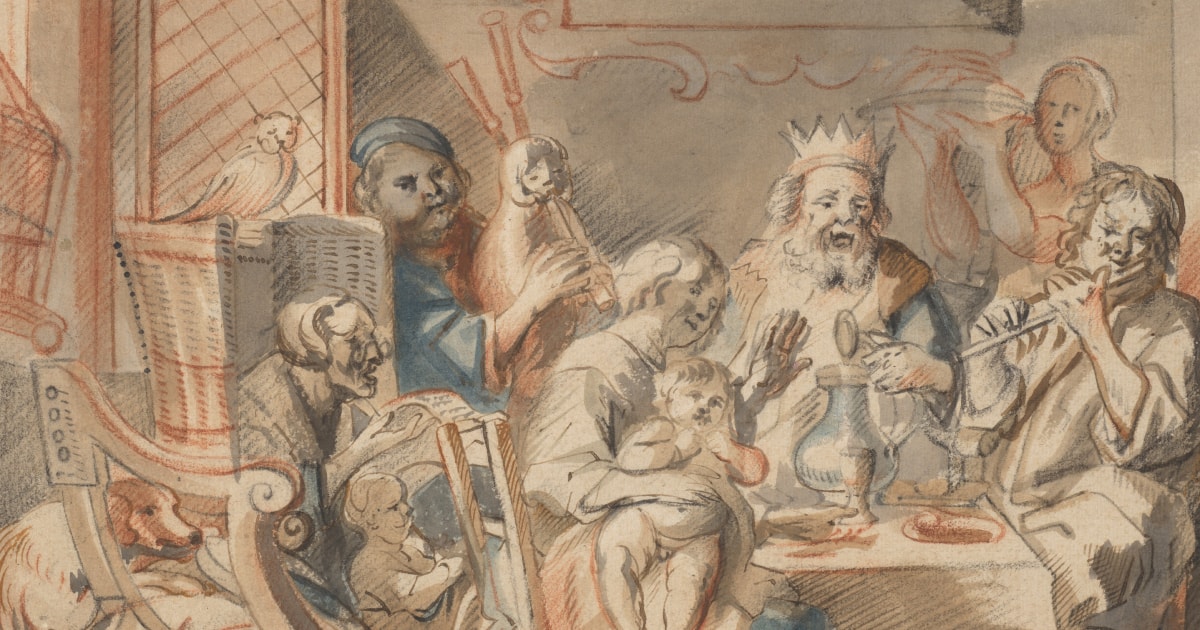
In the Middle Ages, Twelfth Night was filled with music, revelry, and role reversal. A peasant might be crowned the Lord of Misrule and seated in honour over the feast. This apparent chaos expressed a deeper theological truth, that the world had been turned upside down by God entering it at the Nativity. As Christ humbles the proud and exalts the lowly, so this night was marked by playful reversals that echoed the logic of the Incarnation. Catholic festivity has always been incarnational, fully embodied, physical, and communal.
All of this may sound like a quaint history lesson, but setting aside the romance of the past, what can we do today? You might exchange small and silly gifts throughout the twelve days leading up to Epiphany. You could invite friends to your home on Epiphany Eve for a Twelfth Night party. You could bake a king cake, hiding a bean and a pea in two slices and crowning the man and woman who find them king and queen of misfits. You might even go wassailing carolling with a warm drink at a few neighbours’ doors.
New traditions can feel awkward, and the prospect of looking a little silly can be intimidating. But practices like these help us retake holy time. This is the quiet evangelisation of joy. Reclaiming Twelfth Night is not about nostalgia for a vanished Christendom. It is about forming a living faith that is public, beautiful, and human. Christmas does not end early. We end it early. By reclaiming the Church’s rhythm of time, we learn again how to feast, how to rest, and how to return to the world transformed.