


February 12, 2026

Religious freedom: Travel ban

Michael Warren Davis
More
Related
Min read
share

A ban on adverts from religious groups on public transport in DC has been upheld

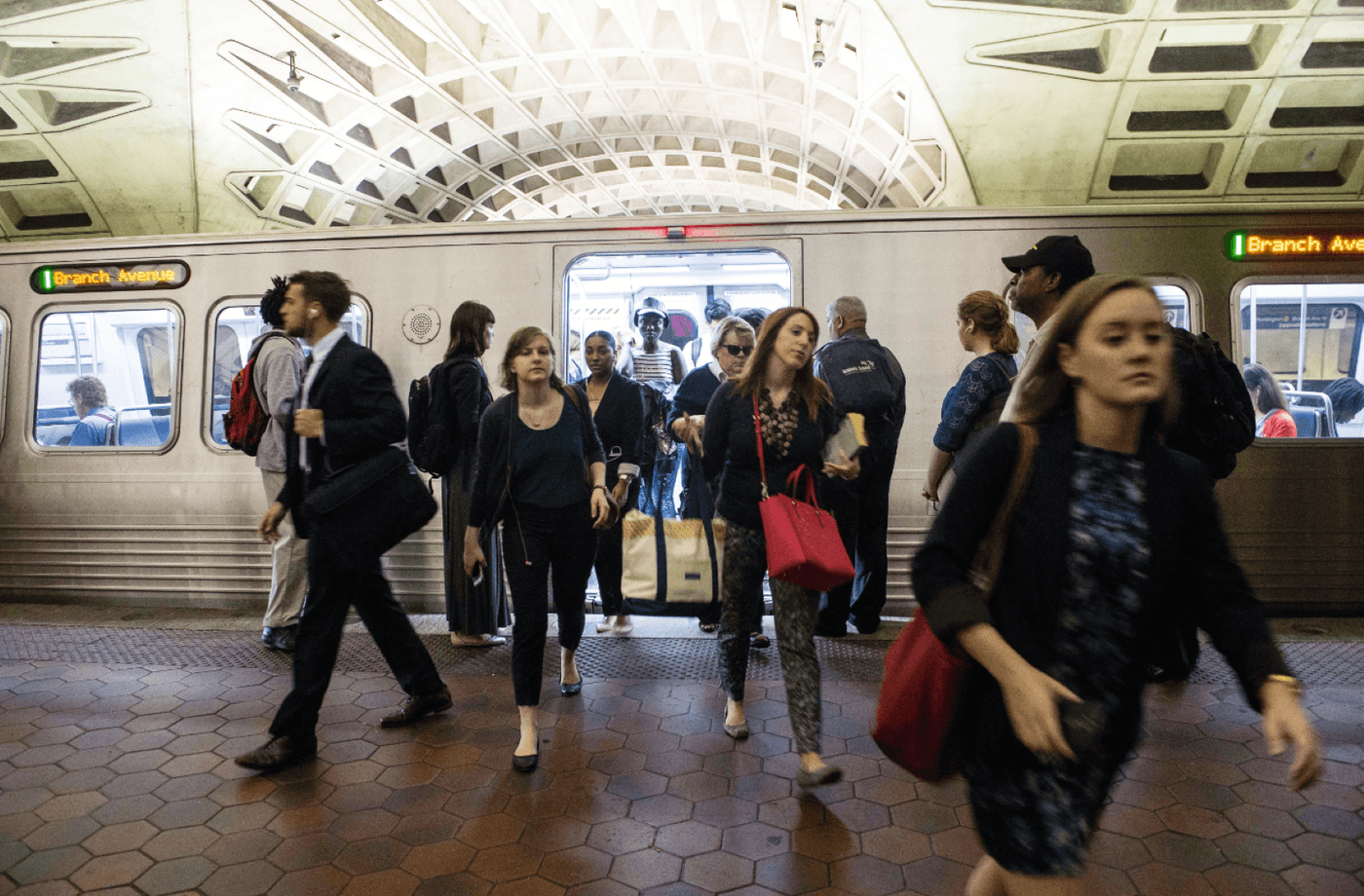
Last Tuesday, the US Court of Appeals for the District of Columbia Circuit ruled that the Washington Metropolitan Area Transit Authority (WMATA) had the right to ban advertisements on buses and trains from religious organisations, even if the adverts themselves are not overtly religious.

The suit was initiated last Christmas, when the WMATA refused to run an ad from the Catholic Archdiocese of Washington, DC. It depicted a group of shepherds on a hill with the caption “Find the perfect gift”. Viewers were invited to visit FindThePerfectGift.com, which listed (among other things) Mass times and instructions on how to make Advent wreaths.

At the time, Ed McFadden – the Archdiocese’s Secretary for Communications – wrote an article for RealClearReligion explaining that: “During my discussions with the ad sales folks at WMATA they indicated that if there was a way we could make the ads more ‘commercial’ they might be able to run them. By ‘commercial’ they meant selling something, say if the Catholic Church were selling tickets to a concert or a Mass. But the Church doesn’t do that, so there wasn’t really a way to change the ad.”

It should be mentioned that the Archdiocese isn’t the only organisation to have its non-commercial ads banned. The WMATA has also been sued on the same grounds by People for the Ethical Treatment of Animals (Peta) and an abortion provider, among others, according to The Washington Post. But, as the Archdiocese argued, secular organisations were allowed to run Christmas-themed ads encouraging charitable giving.

Judge Judith W Rogers said that the Archdiocese’s ads were “evocative not of the desirability of charitable giving, but rather the saving grace of Christ,” adding that “had the Archdiocese wished to submit an ad encouraging charitable giving nothing in the record suggests it could not do so.” Yet ads for charitable giving are not commercial. The WMATA, which is a government agency, appears to have no issue making exceptions to their own rules.

It also seems to be fine with Christmas, so long as it’s not treated as any kind of religious event. Passengers are encouraged to observe the holiday by shopping and practicing charity (both of which have their place), but cannot be invited to mark Christ’s birth with the holy sacrifice of the Mass. There’s a joke about “cultural appropriation” in there somewhere.

There’s perhaps a larger issue here: the WMATA restriction on non-commercial advertisement. Washington’s Catholics and the vegans of Peta can both reasonably ask whether a government agency has the right to ban appeals for their belief-system. “Were the Archdiocese to prevail, WMATA (and other transit systems) would have to accept all types of advertisements to maintain viewpoint neutrality,” said Rogers – which rather seems like the point of the first Amendment.

A ban on adverts from religious groups on public transport in DC has been upheld

Last Tuesday, the US Court of Appeals for the District of Columbia Circuit ruled that the Washington Metropolitan Area Transit Authority (WMATA) had the right to ban advertisements on buses and trains from religious organisations, even if the adverts themselves are not overtly religious.

The suit was initiated last Christmas, when the WMATA refused to run an ad from the Catholic Archdiocese of Washington, DC. It depicted a group of shepherds on a hill with the caption “Find the perfect gift”. Viewers were invited to visit FindThePerfectGift.com, which listed (among other things) Mass times and instructions on how to make Advent wreaths.

At the time, Ed McFadden – the Archdiocese’s Secretary for Communications – wrote an article for RealClearReligion explaining that: “During my discussions with the ad sales folks at WMATA they indicated that if there was a way we could make the ads more ‘commercial’ they might be able to run them. By ‘commercial’ they meant selling something, say if the Catholic Church were selling tickets to a concert or a Mass. But the Church doesn’t do that, so there wasn’t really a way to change the ad.”

It should be mentioned that the Archdiocese isn’t the only organisation to have its non-commercial ads banned. The WMATA has also been sued on the same grounds by People for the Ethical Treatment of Animals (Peta) and an abortion provider, among others, according to The Washington Post. But, as the Archdiocese argued, secular organisations were allowed to run Christmas-themed ads encouraging charitable giving.

Judge Judith W Rogers said that the Archdiocese’s ads were “evocative not of the desirability of charitable giving, but rather the saving grace of Christ,” adding that “had the Archdiocese wished to submit an ad encouraging charitable giving nothing in the record suggests it could not do so.” Yet ads for charitable giving are not commercial. The WMATA, which is a government agency, appears to have no issue making exceptions to their own rules.

It also seems to be fine with Christmas, so long as it’s not treated as any kind of religious event. Passengers are encouraged to observe the holiday by shopping and practicing charity (both of which have their place), but cannot be invited to mark Christ’s birth with the holy sacrifice of the Mass. There’s a joke about “cultural appropriation” in there somewhere.

There’s perhaps a larger issue here: the WMATA restriction on non-commercial advertisement. Washington’s Catholics and the vegans of Peta can both reasonably ask whether a government agency has the right to ban appeals for their belief-system. “Were the Archdiocese to prevail, WMATA (and other transit systems) would have to accept all types of advertisements to maintain viewpoint neutrality,” said Rogers – which rather seems like the point of the first Amendment.

subscribe to
the catholic herald

Continue reading your article with a subscription.
Read 5 articles with our free plan.
Subscribe

subscribe to the catholic herald today

Our best content is exclusively available to our subscribers. Subscribe today and gain instant access to expert analysis, in-depth articles, and thought-provoking insights—anytime, anywhere. Don’t miss out on the conversations that matter most.
Subscribe