



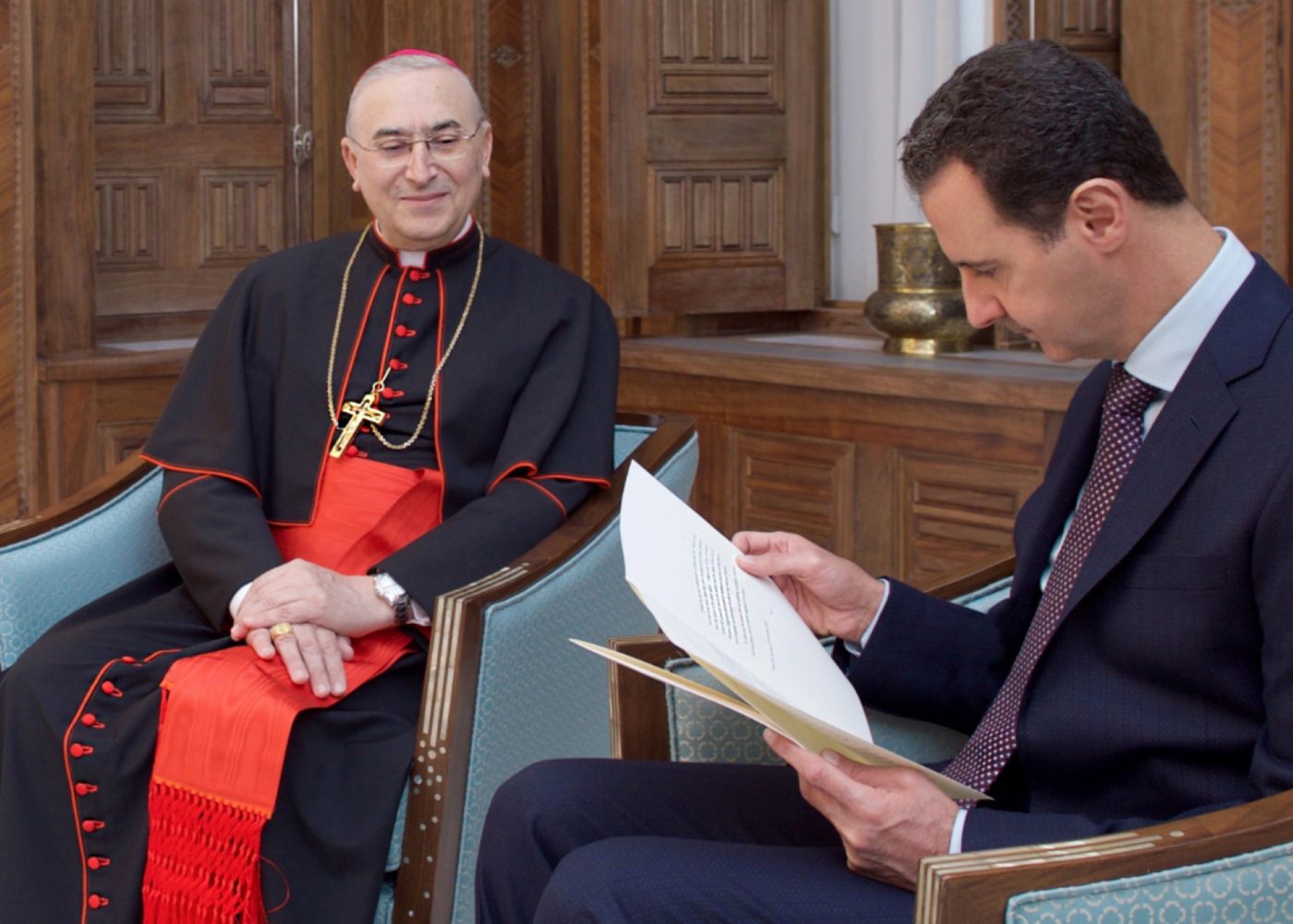
Why Syria’s Christians support the ‘Gas Killing Animal’ Assad by Gerard Russell Among those condemning the American-French-British strikes on Bashar al-Assad’s forces this past week, alongside Ayatollah Khamenei and Vladimir Putin, were an apparently surprising group: the spiritual leaders of Syria’s Christians. The patriarchs of the country’s three largest Christian communities condemned the “brutal aggression” of the West, and praised Assad’s army. Why are Christian priests taking such a strong political stance; and why are they in favour of a dictator who just gassed his own people? Christian churches in the East are no stranger to politics. Church and state are not separate in Islam and any Middle Eastern leader will want to cultivate senior religious figures – maybe even to get involved in the process by which they are chosen. Perhaps, also, to threaten and intimidate them if they step out of line, as the anti-Assad group Syrian Christians for Peace described in an article last year. That article also listed multiple killings of Christians carried out by Assad’s security forces. So the Christian clergy of Assad-ruled Syria, looking at the likelihood of Assad winning the war, were never likely to do anything but support Assad. They are not only thinking of their own safety but also of their communities, which live well or badly – maybe even, live or die – according to the whim of the government. They are probably echoing the sentiments of most of their people, too. Assad, dubbed a “Gas Killing Animal” by Donald Trump last week, has shown himself to be a bloody tyrant, reliant on state violence and careless of his people’s lives if they do not support him. But Assad, in many ways a clever strategist, has built up relationships with the country’s minorities – not just Christians, who make up about a tenth of the population, but also smaller groups such as the Druzes and the Turkmen. It is a grim choice that faces Syrians of all religions in these circumstances. And not only Syrians: in Egypt, too, the Christian population has largely preferred the shelter of President Abdel Fattah al-Sisi’s regime to the other options. Coptic Pope Tawadros II has made high-profile appearances with al-Sisi, effectively endorsing him. The Copts’ situation, like that of Syria’s Christians, is precarious, and closeness to the regime can itself make them a target for hardline Islamists. But they may well ask what else they can do. The comparison between Syria and Egypt is, of course, very limited. But both illustrate how the Middle East’s Christians are struggling to survive as the region’s crisis continues. Despite everything they have come to learn about Assad’s brutal rule, for many Syrian Christians it seems the old verdict of the Arab philosopher Al-Ghazali still holds sway: better the tyranny of one man for a hundred years, than the tyranny for a single day of every man against the other.
11:25 AM
Syria: Grim choices
Gerard Russell

3 min read



Already a subscriber? Sign in
5freearticles every month
Continue reading with a free account. No card needed.
- Five free articles every thirty days, on any device you sign in on
- The Catholic Herald newsletter, every morning
- Subscribe whenever you like for everything: every article and the magazine
Related articles
 Newsroom
Church leaders urge Drumcree dialogue: ‘Too much is at stake’
The Catholic and Church of Ireland Archbishops of Armagh have urged a renewed commitment to peace and reconciliation amid the Drumcree stand-off
Corrie Douglas-Young Newsroom
Thousands of Irish children to join global Rosary campaign
Corrie Douglas-Young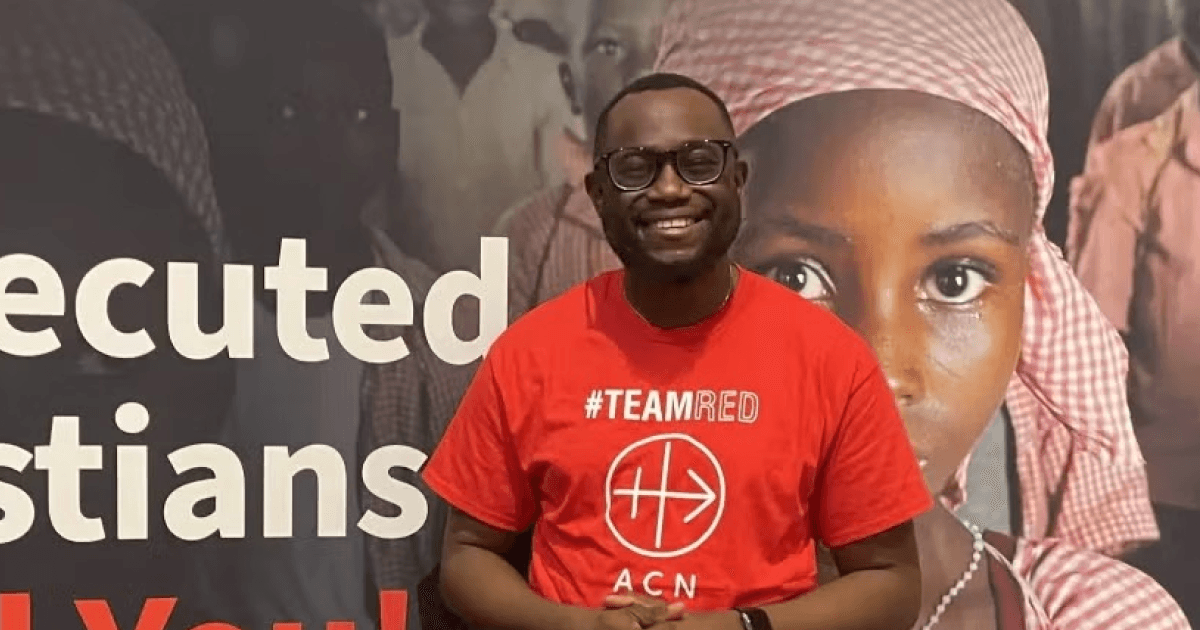 Newsroom
TikTok priest urges young people to stand with persecuted Christians
Nathalie Raffray Newsroom
Baby born at 25 weeks reunites with neonatologist two years after leaving hospital
The Catholic Herald Newsroom
Joe Biden honoured by Planned Parenthood after defending abortion rights
Christine Rousselle
subscribe to the catholic herald today
Our best content is exclusively available to our subscribers. Subscribe today and gain instant access to expert analysis, in-depth articles, and thought-provoking insights—anytime, anywhere. Don’t miss out on the conversations that matter most.
Subscribe



