


Vatican-watchers were surprised when Pope Francis named 14 new cardinals on Sunday. Given that the number of voting cardinals was already near the limit of 120, it was expected that Francis would give out only a handful of red hats – if any – this year. Eleven of the new cardinals are under 80, raising the number of voters to 127. But this is a short-term situation: in 2019 a dozen or so cardinals will turn 80, losing their right to take part in a conclave. Attention has rightly focused on the four new Rome-based cardinals. The first, Archbishop Luis Ladaria, prefect of the Congregation for the Doctrine of the Faith, has a rapport with Francis that eluded his predecessor, Cardinal Gerhard Müller (it may help that Ladaria is a Jesuit). An unassuming figure, the new cardinal will now be pushed to the forefront of theological debates. The second, Archbishop Giovanni Becciu, is a skilful curial insider. His official title, substitute for general affairs of the Secretariat of State, doesn’t fully convey his responsibilities. He is in effect the Pope’s chief of staff, involved in everything from China talks to financial reform. Last year Francis named him special delegate to the troubled Order of Malta. He has emerged victorious from a series of bruising curial battles and, as cardinal, will now wield even more power inside the Vatican. The third is Archbishop Angelo De Donatis. Last year he became the first non-cardinal since the 16th century to be appointed Vicar General of Rome. One of the Pope’s favourite prelates, he preached the Lenten spiritual exercises for the Roman Curia in 2014 and earlier this year presented the Pope’s exhortation on holiness to the world’s media. The fourth is papal almoner Archbishop Konrad Krajewski, who performs acts of charity on behalf of Francis. When he was appointed in 2013, the Pope told him: “You can sell your desk. You don’t need it … You need to go out and look for the poor.” He slept in his office after giving up his flat for a Syrian refugee family, opened a free laundry for the poor and was recently seen handing out ice cream to the homeless on the Pope’s name day. Aged just 54, he possesses a moral authority that could influence the Church for decades to come. Two other new cardinals, meanwhile, underline the Pope’s commitment to the persecuted Church: Chaldean Patriarch Louis Raphaël I Sako and Archbishop Joseph Coutts of Karachi. The red hat will bolster both men as they defend their embattled communities. Some obvious candidates for the College of Cardinals were overlooked. Mario Delpini, the new Archbishop of Milan, and Michel Aupetit, the recently appointed Archbishop of Paris, may simply have to wait until next year. Others, such as Archbishop José Gomez of Los Angeles and Archbishop Charles Chaput of Philadelphia, are unlikely to receive the red hat from Francis. The elevation of Major Archbishop Sviatoslav Shevchuk, leader of the Ukrainian Greek Catholic Church, may have been too controversial given his outspoken criticism of Moscow. When Francis announced the new cardinals, he said: “Their provenance expresses the universality of the Church that continues to proclaim the merciful love of God to all people on earth.” That’s true, but in Cardinals Ladaria, Becciu, De Donatis and Krajewski a powerful new quartet has emerged in Rome.
1:00 PM
Rome’s new quartet
The Catholic Herald

5 min read



Already a subscriber? Sign in
5freearticles every month
Continue reading with a free account. No card needed.
- Five free articles every thirty days, on any device you sign in on
- The Catholic Herald newsletter, every morning
- Subscribe whenever you like for everything: every article and the magazine
Related articles
 Newsroom
Church leaders urge Drumcree dialogue: ‘Too much is at stake’
The Catholic and Church of Ireland Archbishops of Armagh have urged a renewed commitment to peace and reconciliation amid the Drumcree stand-off
Corrie Douglas-Young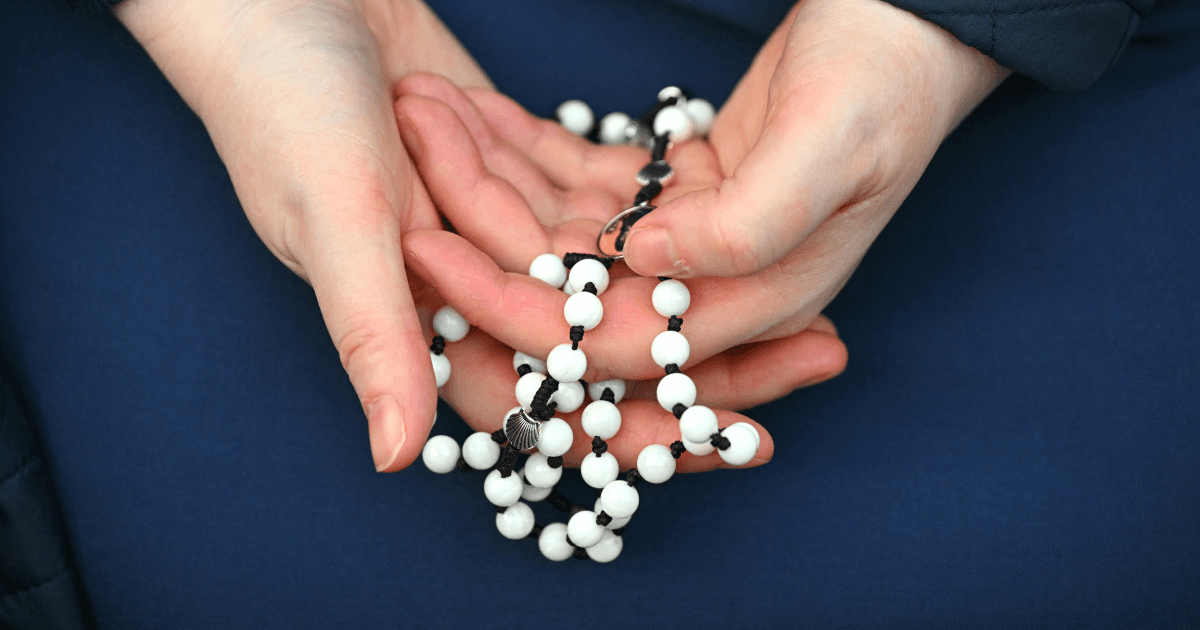 Newsroom
Thousands of Irish children to join global Rosary campaign
Corrie Douglas-Young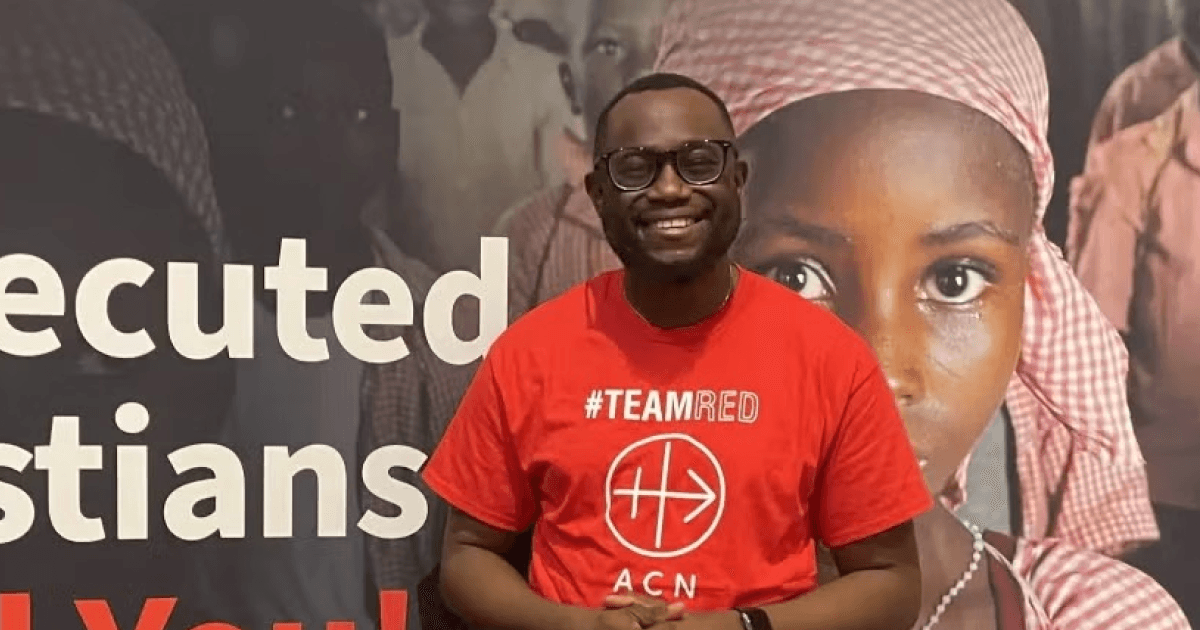 Newsroom
TikTok priest urges young people to stand with persecuted Christians
Nathalie Raffray Newsroom
Baby born at 25 weeks reunites with neonatologist two years after leaving hospital
The Catholic Herald Newsroom
Joe Biden honoured by Planned Parenthood after defending abortion rights
Christine Rousselle
subscribe to the catholic herald today
Our best content is exclusively available to our subscribers. Subscribe today and gain instant access to expert analysis, in-depth articles, and thought-provoking insights—anytime, anywhere. Don’t miss out on the conversations that matter most.
Subscribe



