

Guided by his dreams John Bosco (1815-88) was the founder of the Salesian order, named after St Francis de Sales, and dedicated especially to the education of poor children. The youngest son in a peasant family at Becchi, near Turin, John Bosco was only two when his father died. He owed much to his mother, an exceptionally virtuous and hard-working woman. At nine he felt called in a dream to devote his life to outcast children. Throughout his life he would be guided by dreams, which he recorded on the instructions of Pope Pius IX. Young John would fascinate the local youth with his skill as a juggler and acrobat, demanding nothing but prayers in return. Ordained in 1841, he began his work in Turin as a chaplain in a hospice for working girls. Soon, however, he gathered about him a group of neglected boys, for whom he devised “a festive oratory”, at first largely outdoors but eventually, with help from his mother, in a shed in the Valdocco suburb. ‘Crazy’ ideas John Bosco ruled his uncouth flock “not with blows, but with charity and gentleness”. He deprecated parents who vaunted their children’s precocity, producing no more than “an affectionate, perfected, intelligent animal”. “Knowledge,” he held, “never makes a man because it does not directly touch the heart. It gives more power in the exercise of good or evil; but alone it is an indifferent weapon, wanting guidance.” Character was what counted, and that might best be improved through “frequent Confession, frequent Communion and daily Mass”. John Bosco also believed in the beneficent power of music. Some of John Bosco’s contemporaries thought his ideas were crazy. Nevertheless, he gained the support not merely of the Archbishop of Turin and Pope Pius IX, but also of King Charles Albert of Piedmont and Urbano Rattazzi, the anticlerical minister of justice. The money that John Bosco raised financed both schools and churches. At first he had experienced difficulty in finding worthy assistants. In 1859, however, he formed a religious congregation, fully recognised by Pius IX in 1874. He was canonised in 1934 by Pius XI.
12:00 PM
Saint of the week: John Bosco (January 31)
Staff Reporter

2 min read



Already a subscriber? Sign in
5freearticles every month
Continue reading with a free account. No card needed.
- Five free articles every thirty days, on any device you sign in on
- The Catholic Herald newsletter, every morning
- Subscribe whenever you like for everything: every article and the magazine
Related articles
 Newsroom
Church leaders urge Drumcree dialogue: ‘Too much is at stake’
The Catholic and Church of Ireland Archbishops of Armagh have urged a renewed commitment to peace and reconciliation amid the Drumcree stand-off
Corrie Douglas-Young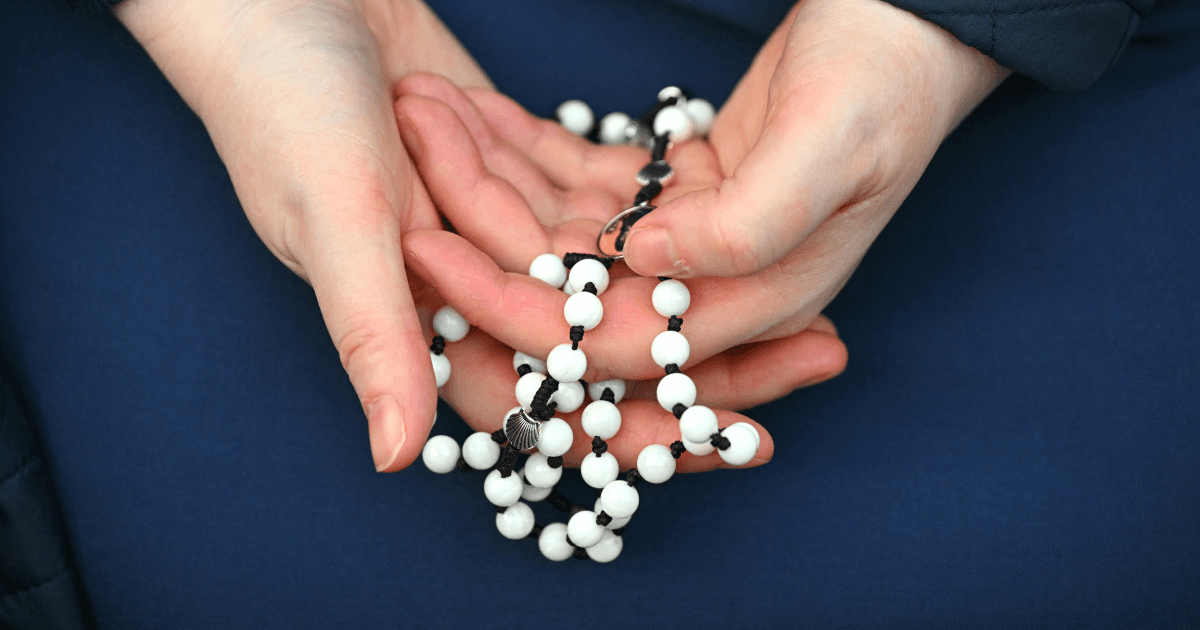 Newsroom
Thousands of Irish children to join global Rosary campaign
Corrie Douglas-Young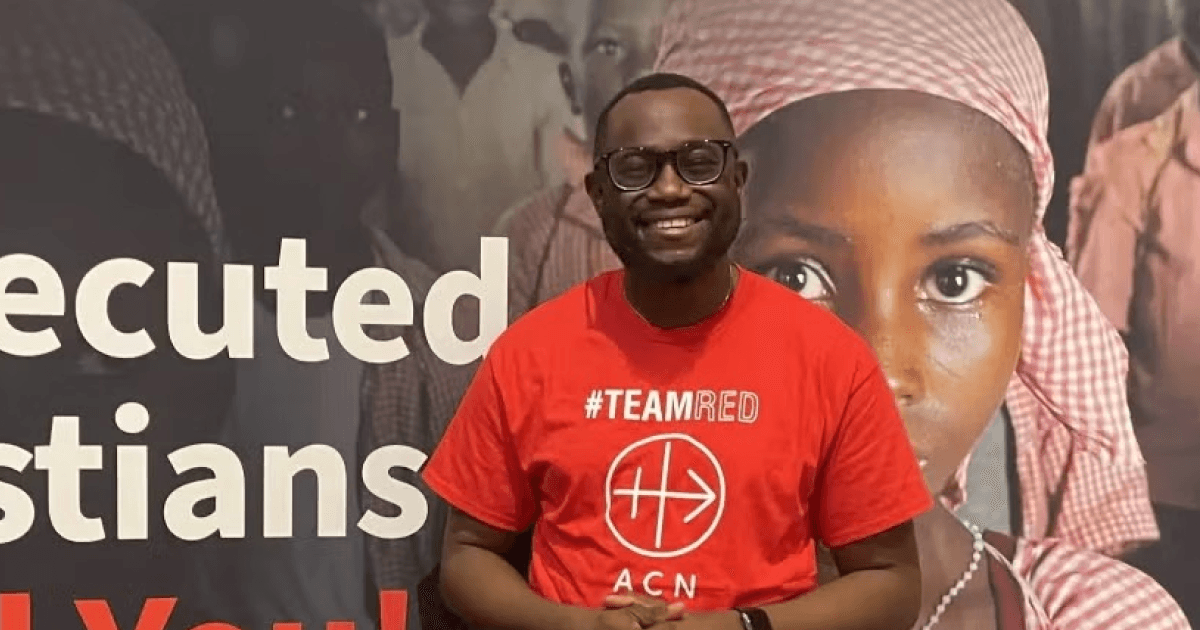 Newsroom
TikTok priest urges young people to stand with persecuted Christians
Nathalie Raffray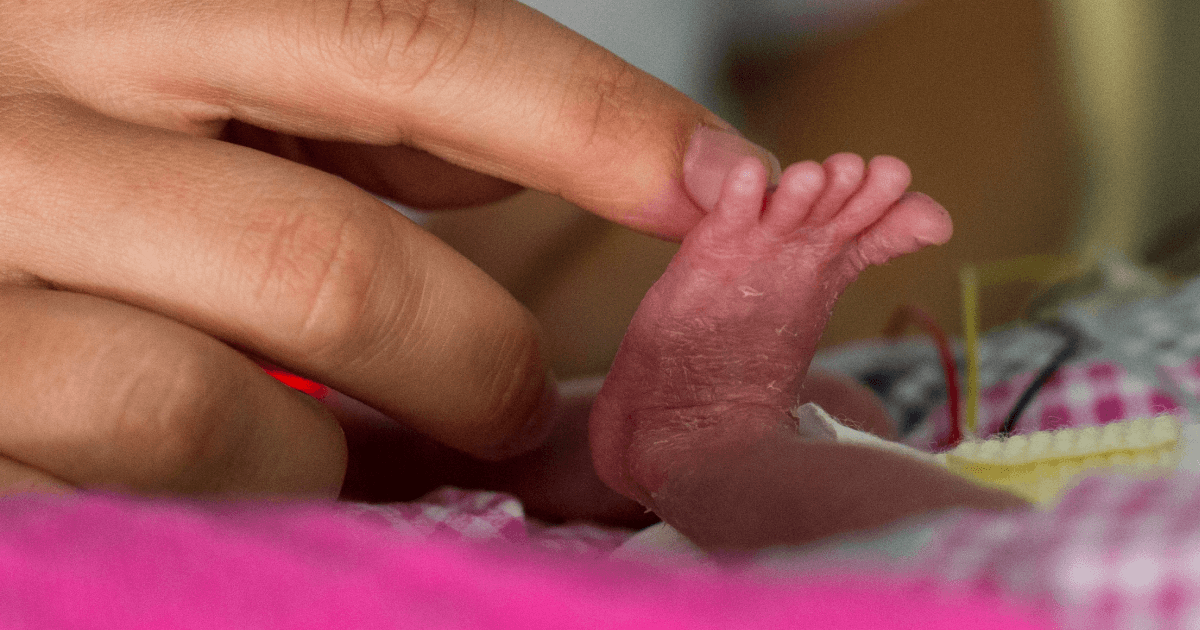 Newsroom
Baby born at 25 weeks reunites with neonatologist two years after leaving hospital
The Catholic Herald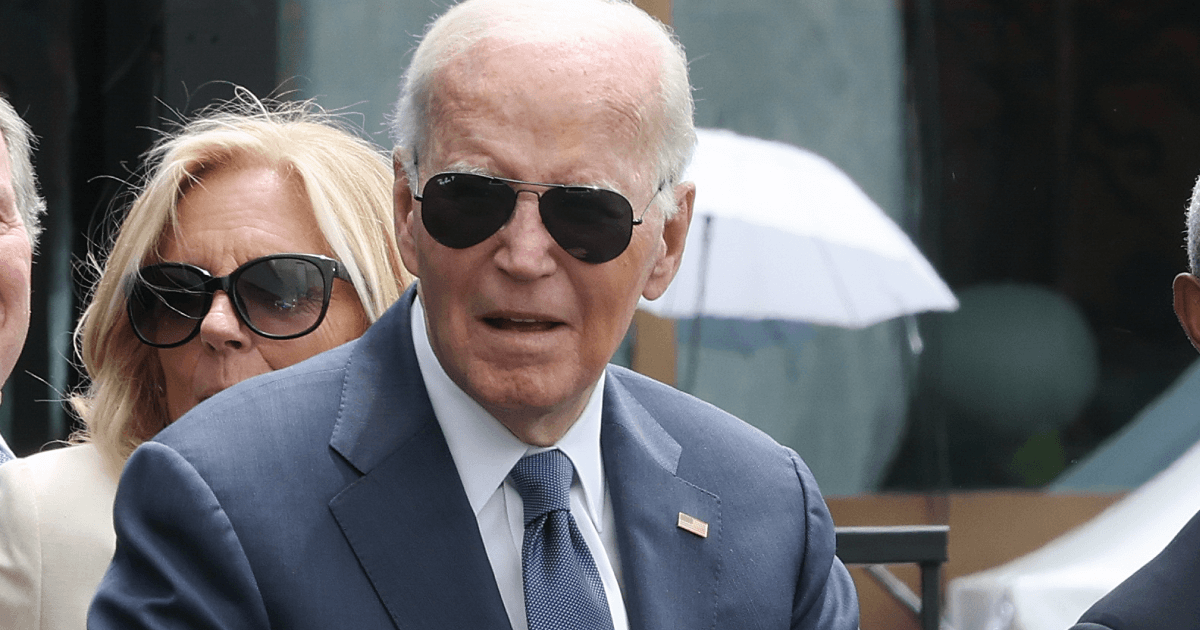 Newsroom
Joe Biden honoured by Planned Parenthood after defending abortion rights
Christine Rousselle
subscribe to the catholic herald today
Our best content is exclusively available to our subscribers. Subscribe today and gain instant access to expert analysis, in-depth articles, and thought-provoking insights—anytime, anywhere. Don’t miss out on the conversations that matter most.
Subscribe



