



An eloquent saint What is the essence of eloquent speech? Blessed John Henry Newman, the best-known homilist of his day, thought about this often, and answered the question in part by pointing to the example of St John Chrysostom. St John’s genius, said Newman, was his naturalness. “His oratorical power was but the instrument, by which he readily, gracefully, adequately expressed … the keen feelings, the living ideas, the earnest practical lessons which he had to communicate to his hearers. He spoke because his heart, his head, were brimful of things to speak about.” St John Chrysostom knew, simply and exactly, what he wanted to say; and so he was able to say it powerfully. Pagans and Christians One would not necessarily have expected the young Chrysostom to have become famous for his public life. Born in Antioch in 349, educated by some of the city’s brilliant pagan scholars, he came under the influence of the city’s kind-hearted bishop, Meletius, and began to live a life of prayer and mortification. He went to the mountains and lived with the monks. At first he hated the penances: “I was forever inquiring and busying myself how I was to get a supply of provisions; whether it would be possible to procure fresh bread for my eating, whether I should be ordered to use the same oil for my lamp and for my food, to undergo the hardship of peas and beans, or of severe toil, such as digging, carrying wood or water, and the like; in a word, I made much account of bodily comfort.” But he grew to love these small participations in the Cross. Tackled decadence Eventually he was ordained and became one of the leading Scripture commentators, as well as one of the great rhetoricians, of his day. As bishop of Constantinople, he cleared up corruption and decadence. He clashed with the authorities, for reasons which are still debated by historians, and eventually died in exile. Reportedly, his last words were: “Glory be to God in all things.”
1:00 PM
Saint of the week: John Chrysostom (September 13)
Staff Reporter

2 min read



Already a subscriber? Sign in
5freearticles every month
Continue reading with a free account. No card needed.
- Five free articles every thirty days, on any device you sign in on
- The Catholic Herald newsletter, every morning
- Subscribe whenever you like for everything: every article and the magazine
Related articles
 Newsroom
Church leaders urge Drumcree dialogue: ‘Too much is at stake’
The Catholic and Church of Ireland Archbishops of Armagh have urged a renewed commitment to peace and reconciliation amid the Drumcree stand-off
Corrie Douglas-Young Newsroom
Thousands of Irish children to join global Rosary campaign
Corrie Douglas-Young Newsroom
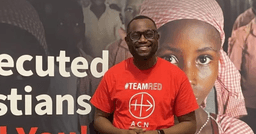
TikTok priest urges young people to stand with persecuted Christians
Nathalie Raffray Newsroom
Baby born at 25 weeks reunites with neonatologist two years after leaving hospital
The Catholic Herald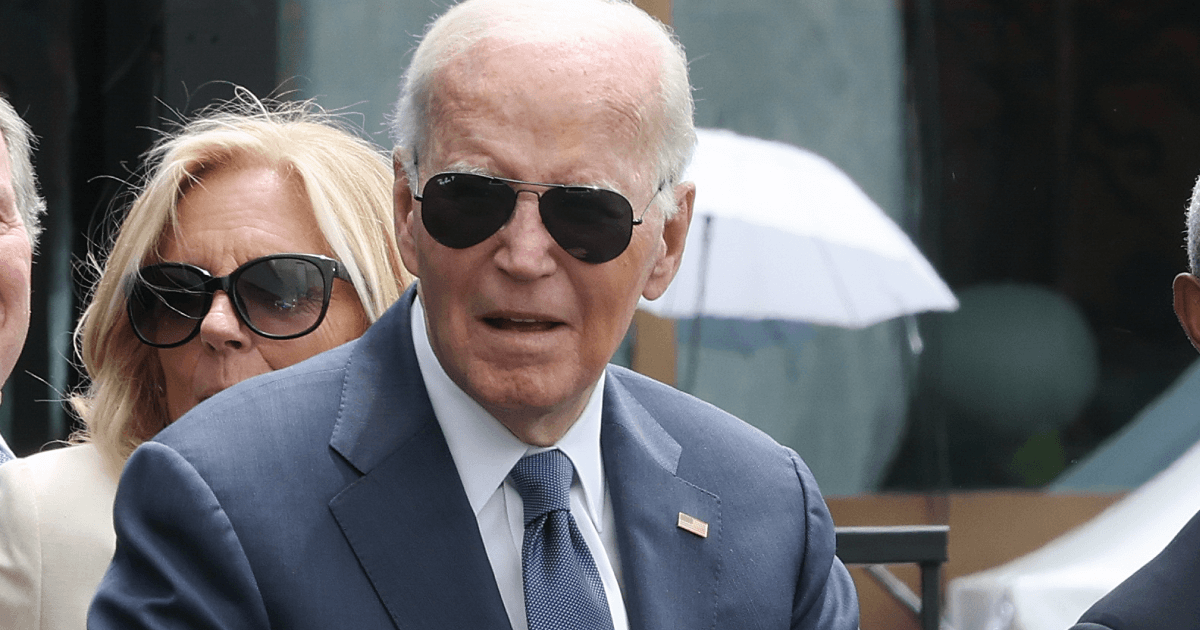 Newsroom
Joe Biden honoured by Planned Parenthood after defending abortion rights
Christine Rousselle
subscribe to the catholic herald today
Our best content is exclusively available to our subscribers. Subscribe today and gain instant access to expert analysis, in-depth articles, and thought-provoking insights—anytime, anywhere. Don’t miss out on the conversations that matter most.
Subscribe



