


Humble origins Giuseppe Sarto, the future Supreme Pontiff, was born in 1835, the son of a village postman in Riese – then part of the Austrian Empire, today in Italy. He went to the seminary on a scholarship and thereafter worked in parishes. He was especially well-loved for his labours on behalf of the sick during the 1870s cholera epidemic. He rose through the clerical ranks and became Bishop of Mantua in 1884. Leo XIII made him a cardinal in 1893. At the conclave of 1903 Sarto was elected on the fifth vote. Some historians say he refused the election and had to be persuaded by the cardinals. He took the name Pius, a tribute to (among others) Pius IX, who had denounced liberalism and modern errors. Against modernism This was certainly a part of Pius X’s programme: in the famous encyclical Pascendi, he identified the modernists, an inchoate group of theologians who tried to reinterpret doctrines. The Oath Against Modernism bound Catholic clergy and seminary professors to profess that the existence of God could be known by reason alone; and “that the doctrine of faith was handed down to us from the apostles through the orthodox Fathers in exactly the same meaning and always in the same purport”. Pius took other disciplinary actions to root out modernism. Tenderness and miracles Pius was known for his personal warmth and tenderness. He retained his peasant simplicity, cutting down on grand ceremonies and abolishing the custom of the pope dining alone. He carried sweets in his pockets to give to children and loved to talk to them during his weekly catechism lessons at the Vatican. He believed that some should be receiving Communion as young as seven (previously, the minimum age had been 12). Pius X did more than anyone else to establish daily Communion as a normal practice. Pius X was a dedicated reformer. In his time the Code of Canon Law was promulgated; Gregorian Chant and Thomism were given the pre-eminent place in music and theology respectively. During his lifetime and after, miraculous cures were attributed to this gentle and courageous man. He died in 1914, possibly heartbroken by the outbreak of war. Pius XII canonised him in 1954: he was the first pontiff to be recognised as a saint since Pius V (who died in 1572).
1:00 PM
Saint of the week: Pope Pius X (August 21)
Staff Reporter

2 min read



Already a subscriber? Sign in
5freearticles every month
Continue reading with a free account. No card needed.
- Five free articles every thirty days, on any device you sign in on
- The Catholic Herald newsletter, every morning
- Subscribe whenever you like for everything: every article and the magazine
Related articles
 Newsroom
Church leaders urge Drumcree dialogue: ‘Too much is at stake’
The Catholic and Church of Ireland Archbishops of Armagh have urged a renewed commitment to peace and reconciliation amid the Drumcree stand-off
Corrie Douglas-Young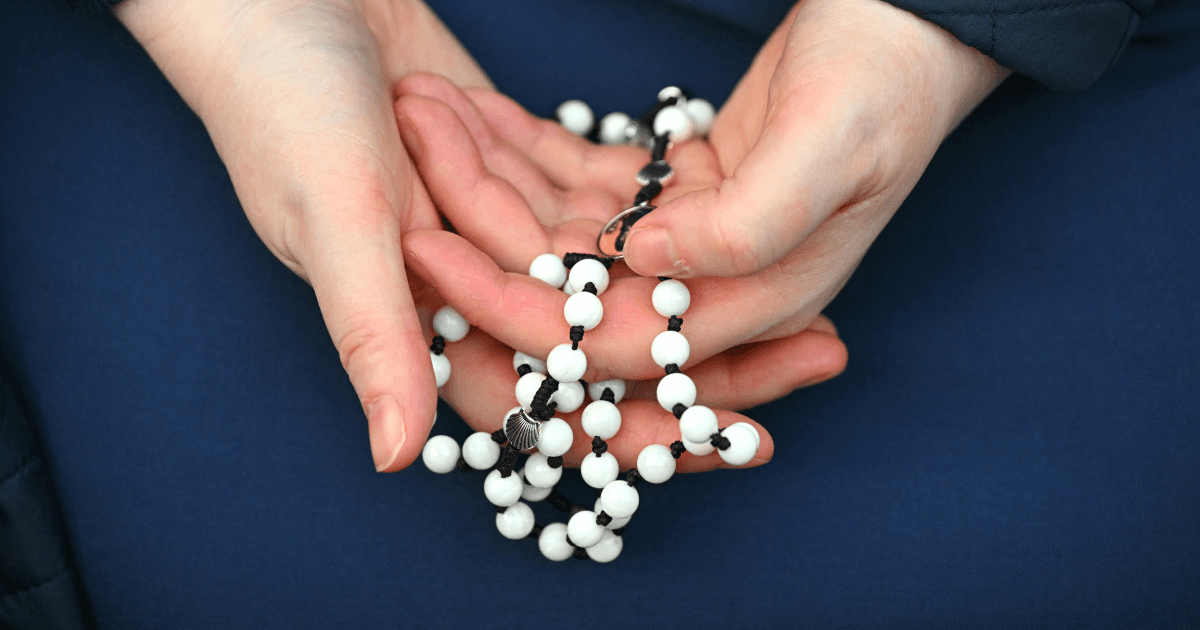 Newsroom
Thousands of Irish children to join global Rosary campaign
Corrie Douglas-Young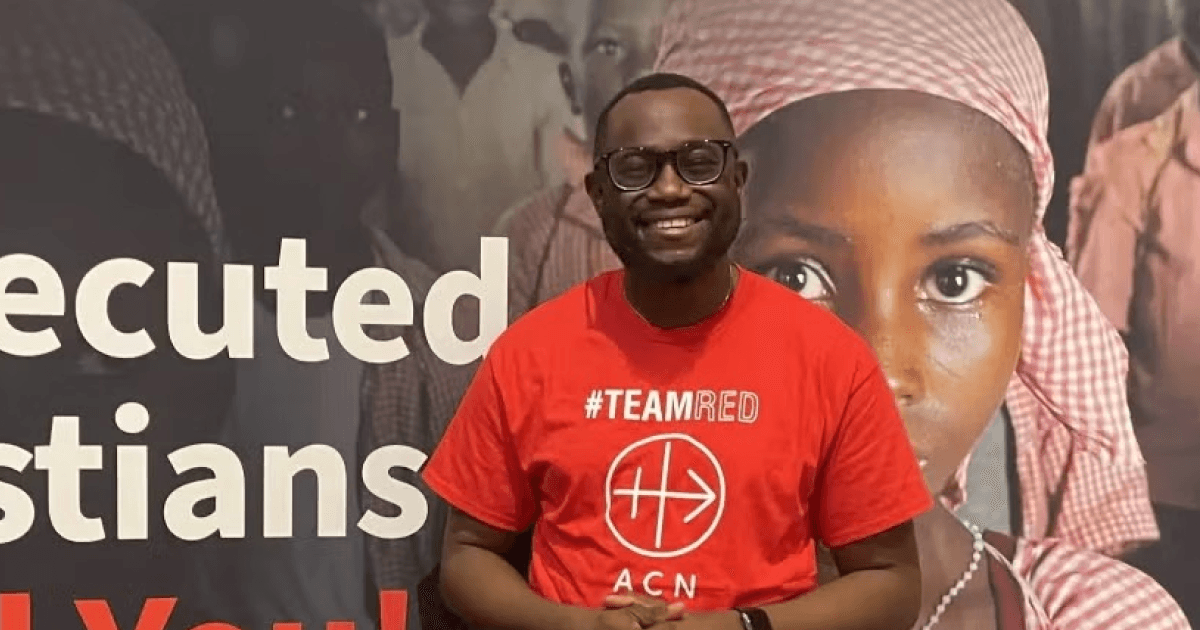 Newsroom
TikTok priest urges young people to stand with persecuted Christians
Nathalie Raffray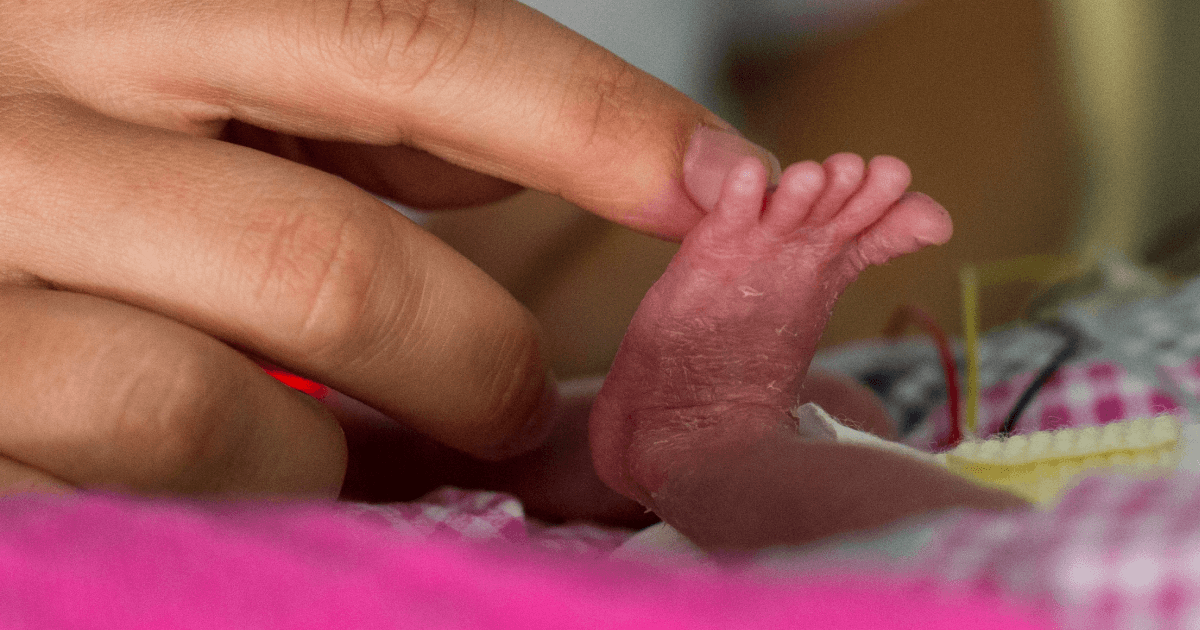 Newsroom
Baby born at 25 weeks reunites with neonatologist two years after leaving hospital
The Catholic Herald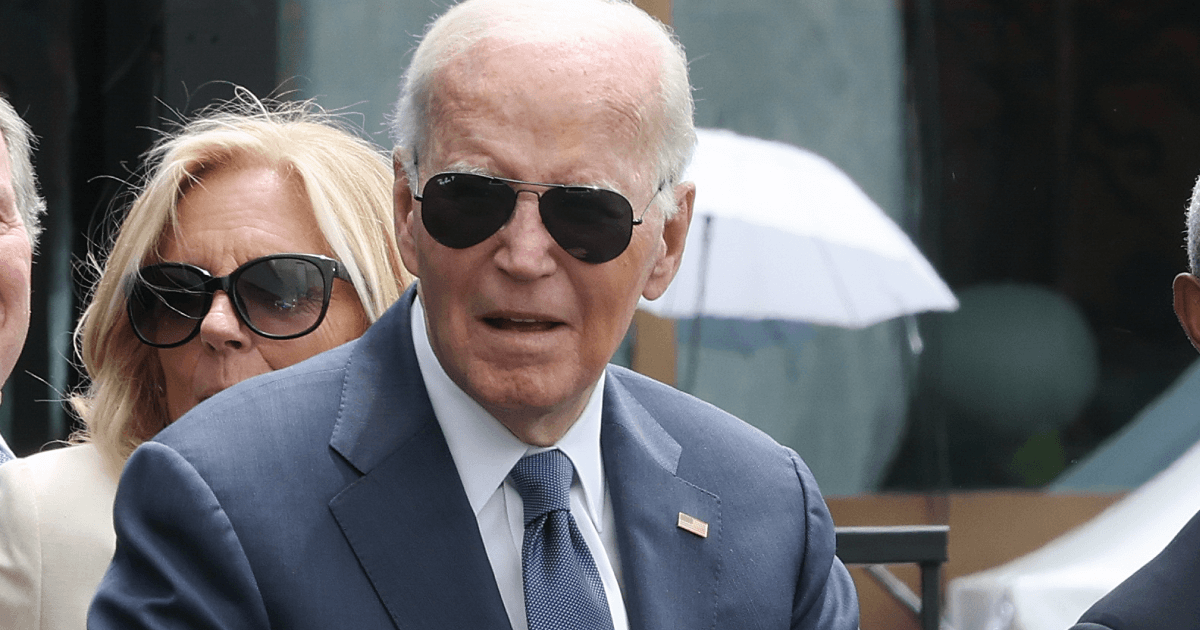 Newsroom
Joe Biden honoured by Planned Parenthood after defending abortion rights
Christine Rousselle
subscribe to the catholic herald today
Our best content is exclusively available to our subscribers. Subscribe today and gain instant access to expert analysis, in-depth articles, and thought-provoking insights—anytime, anywhere. Don’t miss out on the conversations that matter most.
Subscribe



