


Grenoble in 1080 was in spiritual crisis. The notionally Catholic town had little idea of what practising the faith might involve; according to historians, some sins had become so commonplace that they had lost their names. The last bishop had been lazy and financially corrupt. In appointing a successor, the cardinal legate – equivalent to a papal nuncio – turned to the most saintly man available: a young priest called Hugh, known for his austerity, affability, and well-concealed intellectual brilliance. Hugh refused, convinced he was unworthy. So the cardinal legate took him to Rome. Introduced to Pope Gregory VII, Hugh said that he had recently been troubled by blasphemous thoughts, which kept coming into his head involuntarily. The Pope assured him that these were Satan’s work, permitted by God for his purification. Hugh’s life was full of physical trials, too: for the last 40 years of his life he had almost constant headaches and stomach aches. Eventually Hugh was persuaded to take up the bishopric. Such was the diocese’s financial corruption that Hugh had few resources to draw on. (Later, he raised money by selling golden chalices and other beautiful ornaments, while denying himself everything except bare necessities.) Through prayer and devotion Hugh became God’s instrument of change in Grenoble. The town returned to the practice of the faith. Hugh briefly resigned and joined a monastery, but the pope intervened to send him back to his diocese. He became known for his tearjerking sermons, and also helped the Carthusians to found their first house (which Hugh’s own father joined late in life). Much of the latter part of his episcopate was spent in legal battles over land which he believed had been seized by a local nobleman. The land was eventually returned. In 1132 he died – like the Little Flower, after an agonising illness – and was canonised by Pope Innocent II two years later.
12:00 PM
Saint of the week: St Hugh of Grenoble (April 1)
Staff Reporter

2 min read



Already a subscriber? Sign in
5freearticles every month
Continue reading with a free account. No card needed.
- Five free articles every thirty days, on any device you sign in on
- The Catholic Herald newsletter, every morning
- Subscribe whenever you like for everything: every article and the magazine
Related articles
 Newsroom
Church leaders urge Drumcree dialogue: ‘Too much is at stake’
The Catholic and Church of Ireland Archbishops of Armagh have urged a renewed commitment to peace and reconciliation amid the Drumcree stand-off
Corrie Douglas-Young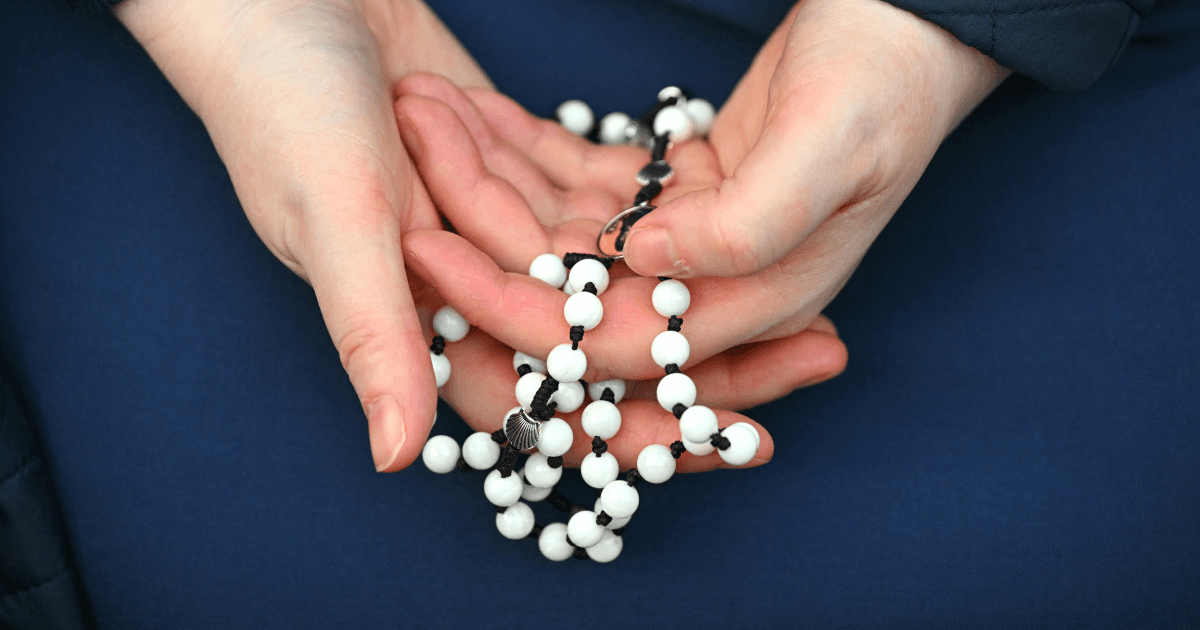 Newsroom
Thousands of Irish children to join global Rosary campaign
Corrie Douglas-Young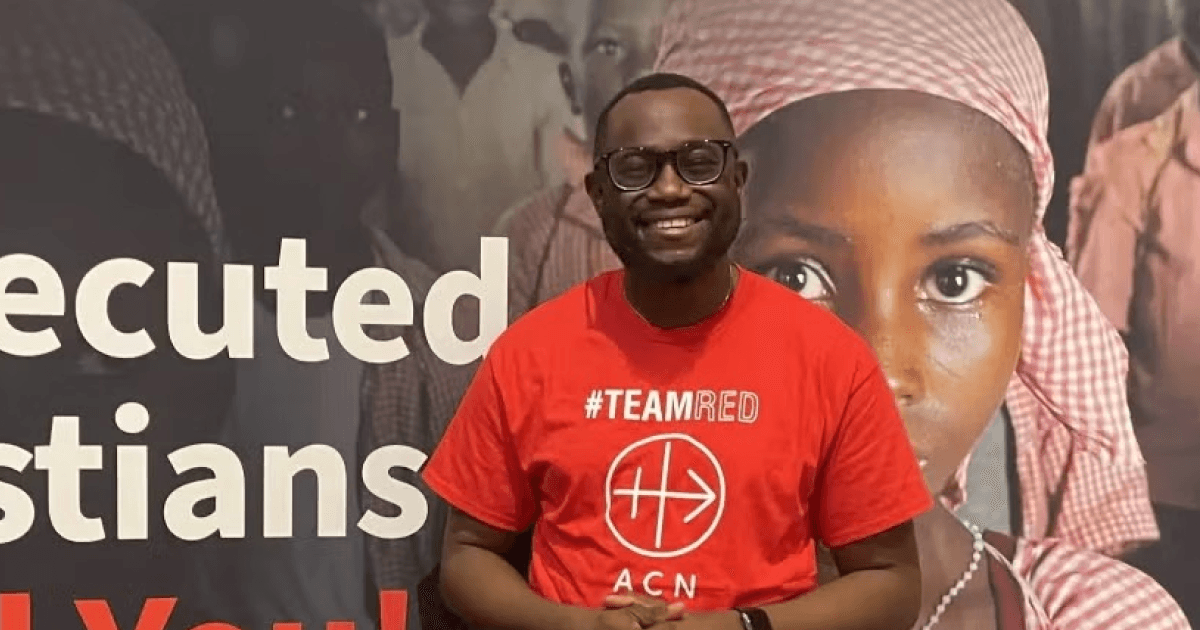 Newsroom
TikTok priest urges young people to stand with persecuted Christians
Nathalie Raffray Newsroom
Baby born at 25 weeks reunites with neonatologist two years after leaving hospital
The Catholic Herald Newsroom
Joe Biden honoured by Planned Parenthood after defending abortion rights
Christine Rousselle
subscribe to the catholic herald today
Our best content is exclusively available to our subscribers. Subscribe today and gain instant access to expert analysis, in-depth articles, and thought-provoking insights—anytime, anywhere. Don’t miss out on the conversations that matter most.
Subscribe



