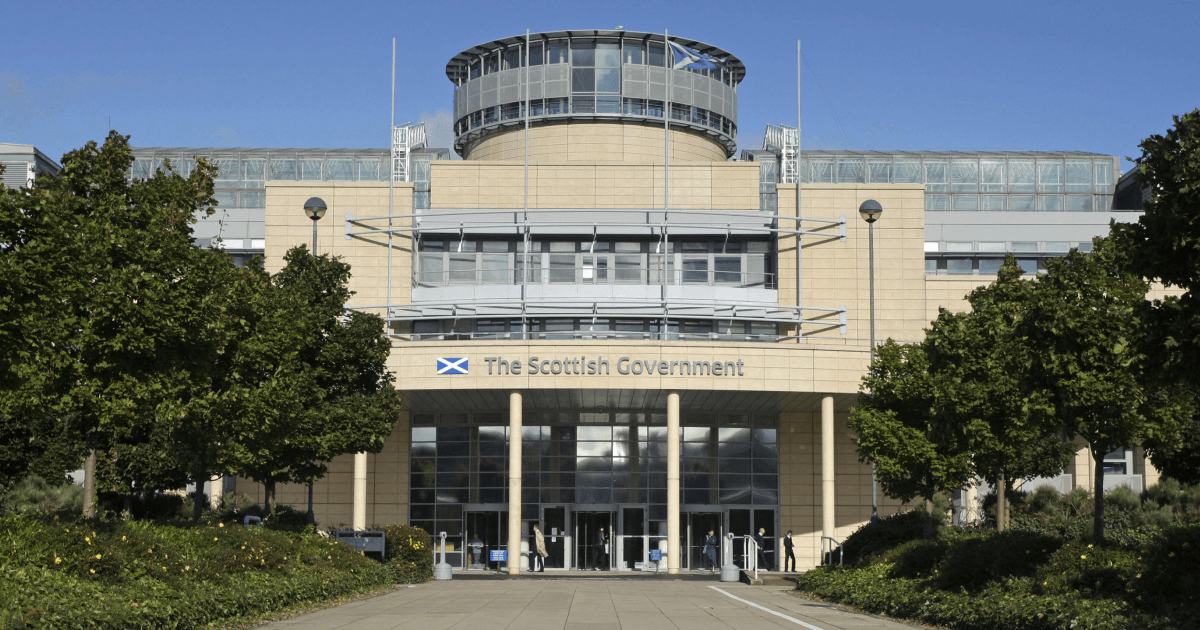

The bishops of Scotland have called for “human dignity and the common good” to be prioritised as the Scottish Government prepares to publish its 2026-2027 Programme for Government. The Programme, which sets out the actions the Government will take both in the coming year and after, will include legislative proposals.
Bishop John Keenan of Paisley, president of the Bishops’ Conference of Scotland, said that public policy “should be judged by how it protects the weakest, supports families, strengthens communities and enables every person to flourish”.
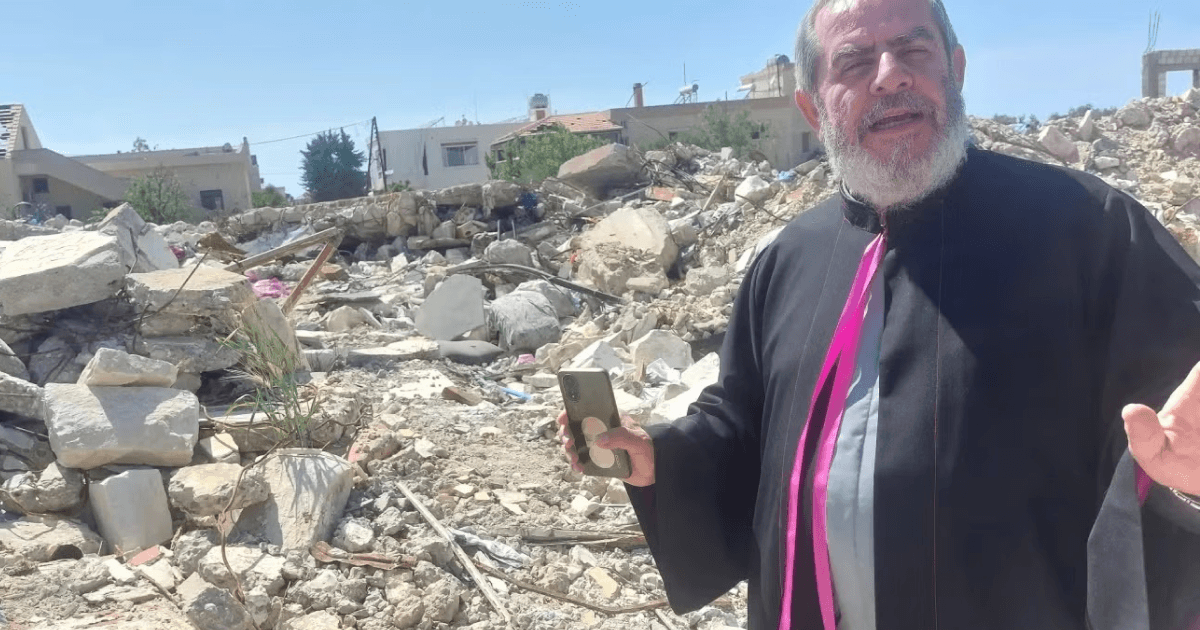
In the statement published on August 25, he called for a consistent commitment to protecting human life from conception until natural death, as well as government action to tackle poverty, homelessness, addiction, mental ill-health, social isolation and palliative care. “Human dignity is not granted by the state, nor earned by wealth, health, productivity, age, ability or social status. It belongs to every person,” Bishop Keenan said.
Bishop Keenan assured the Scottish Government of the bishops’ prayers as he asked for the Programme to “honour human dignity, strengthen the common good and give renewed hope to those who need it most”.
On August 21, Bishop Keenan issued a pastoral letter urging Catholics to contact their local MPs calling them to vote against the Terminally Ill Adults (End of Life) Bill. He stressed that though the legislation, which will have its second reading and vote on September 11, would only apply to England and Wales, it remained “an important moment for Catholics in Scotland”.
He noted that the outcome of the forthcoming vote could have consequences in the Scottish Parliament. The Assisted Dying for Terminally Ill Adults (Scotland) Bill, a Member’s bill introduced by Liam McArthur MSP, fell on March 17 at Stage 3. It would have introduced assisted suicide as an option for eligible terminally ill adults in Scotland.
Bishop Keenan said in the pastoral letter: “Our opposition to assisted suicide is rooted in compassion. Every person, from conception until natural death, possesses an inviolable dignity as one made in the image and likeness of God.”
He insisted that “Illness, frailty, disability, dependence or fear must never lead society to conclude that some lives are no longer worth living” and that the “proper response to suffering is care, presence, skilled palliative medicine and practical support – not the deliberate ending of life.”