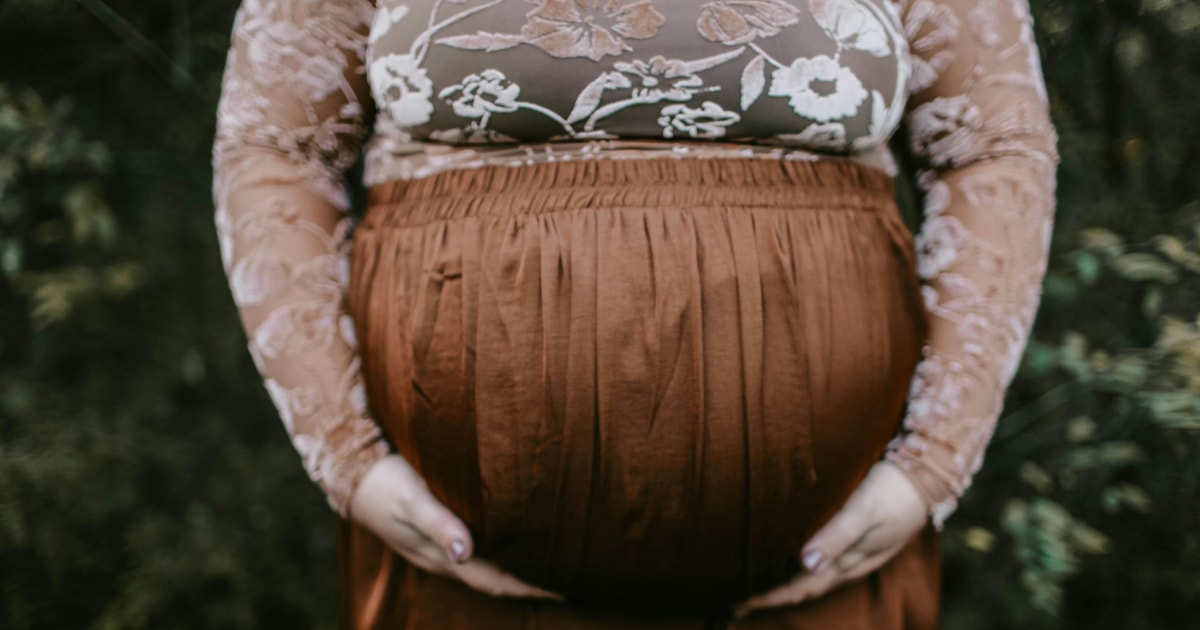

We were leaving Mass, doing the necessary head count, when the feeling struck me that someone was missing. We later found out that, to our joy, we were expecting our seventh. I used to have conversations with people about our children who were surprised that we had three, then shocked that we had four. Funnily enough, no one seems to have much opinion at all about five, six or seven, and these days it is notable that many say hopeful things to us. Older people often talk about the fact that they come from big families.
But I confess I have been apprehensive every time. In my cowardice, I have worried about having a larger family than ‘normal’ people do. As time has passed, I have realised that these worries were groundless. I have come to see that people are actually quite at ease with large families. ‘Oh, look, people!’ It is as if we represent normality in some sense. Any parent with multiple children is more likely to reach for soliloquies from Henry V when they learn of another addition, rather than champagne (which we keep forgetting she cannot drink). Of course, we are genuinely happy, and congratulate each other. But in honesty, we were probably drowning when someone handed us another baby.
This may sound indelicate if you long for children, but I merely wish to point out how hideously inadequate we all are. Our relationship to children is similar to that of Professor Higgins to Eliza in My Fair Lady: they are at once a project, a devotion, a beautiful person and an exasperating terror. We are proud, delighted and grateful because we learn, in the end, that they are the ones teaching us what rotters we are: how selfishly and thoughtlessly we live; how earnestly we hope to do what is right; and yet, in our responses to their needs at 3am, how far we still have to go.
This is the point: children are the making of us. I am grateful to learn of my failings, to be challenged to love someone who relies on me for everything. I have changed more than 4,000 nappies and not slept reliably for 16 years. It is not exactly Calvary, but embracing it means a great deal to me.
I have heard much talk of population problems. I will tell you why we are not having children: they remind us of our weakness. They are, I think, the one thing in the world which is not a commodity. How easy it is to commodify everything else. We can pretend that our entire lives, even our relationships with other adults, are tailored and curated. But not with children. If we fall into the trap of thinking we would rather be in control, we give up on everything.
Children will love you despite your failings. As you fail them – and strive to apologise, listen to the promptings of your guardian angel, ask for the intercession of the Holy Family and love them with all you have – you allow them to love you anyway, in that weakness and frailty. This is profoundly healthy and necessary. At least, it is for me.
I do not mean to suggest that the single life, the consecrated life or Holy Orders relieve us of the commandment to love our neighbour – not at all. Nor is rearing children the greatest challenge; it has been done before. But in being open to life, it is a deep pity that we demand of ourselves and our circumstances some sort of perfection before welcoming children. You will hear how much money you need to do it all properly, and so on. You may have great material security, and that can be a good thing in giving children a fair chance. But you are still the one needed to parent and raise them, and you will always be inadequate, reaching for your own comforts in the daily grind and tempted to complain.
The shame is that a lack of children in our collective lives is probably making us less aware of this, and more wary of babies. I have no way of proving it, but I feel that many of the furores in western culture are made far worse by our rejection of children and our insistence on childless, uninterrupted lives. As we reject Christ, we also forget that He came to us as a vulnerable child, and encouraged us to become like them. If we are willing to listen to Scripture’s exhortation never to stop little children coming to Christ, we might yet have ‘big’ families and begin cherishing children again. We might start smiling at them when we see them, or praying for them when we hear them cry. Fearing children may rob us of the very people God has given us to love. Never forget how naturally they love us back.
Many do not have children, or cannot. I think of GK Chesterton and his wonderful Frances, or the couples we know who would dearly love to conceive. We must storm heaven for them. But children do not belong to their parents, and it is the wise understanding of Mother Church that matrimony requires only openness to life. It is to this that we should look, and pray to be prompted, for within this openness Our Lord can do His work. Without it, we refuse to let ourselves be transformed and sanctified, and wrongly imagine that we are better off alone.
I would much rather not be alone. Despite my fears, I feel relieved that God has given me people to love. The more time passes, the more I realise that seven children is really just a small family.