



Last night I went to the English National Opera at the Coliseum to see their new production of Benjamin Britten’s A Midsummer Night’s Dream. The company’s website has everything you need to know about the opera here, including a trailer. Britten’s music may not be to everyone’s taste, and I freely admit to being more of a Wagner and Puccini man myself, but it is undoubtedly true that his achievement was immense, and that this opera in particular has some truly lovely moments. The work was first premiered in 1960, and there are few other operas from that time that are still given an airing these days. This little clip gives you a taste of the delicious music associated with the fairies, as well as showing you what a traditional production will look like. (It is in fact the old Glyndebourne touring production that I saw as an undergraduate in the Apollo, Oxford, back in the early eighties.) The ENO decided not to go the traditional route with their production – a bold and courageous decision which I cannot fault in principle. As it was, however, I was bored to death by the production idea. The whole thing was set in a boys’ school, and seemed to be about the “grooming” of children, recalling the composer’s own cultivation of favourite young boys. This made the fairy music seem very sinister – which of course, in some sense it is. The fairies in Dream are not necessarily benevolent. But the production itself looked ugly – no greenery anywhere, for a drama set in a wood – and the emphasis on paedophilia seemed forced, especially when we came to the rude mechanicals’ subplot. But my real gripe is not with the practice but with the theory. While no one can dispute that Britten was attracted to certain subjects but not others, thanks to his own sexual nature, it is nevertheless not true, it seems to me, that knowledge of Britten’s psychology is the necessary key to unlocking the meaning of his operas. His operas are much more than mere emanations of his own internal psychodrama. They are works of universal significance, surely – otherwise, their appeal would be very narrow indeed. As with Britten, so with Shakespeare. Fortunately we know very little about the Bard’s life, and most biographies have been speculative in the extreme. But this is a good thing, as it means the theories on the whole do not have much solid ground to stand on (though that of course has not stopped people theorising). Instead we can concentrate on the text and let that speak to us. Remember what Ben Johnson said about Shakespeare: “He was not of an age, but for all time”. By contrast, the reductive ENO production of A Midsummer Night’s Dream makes Benjamin Britten very much of our time – but perhaps not for anyone else’s.
4:31 PM
Shakespeare is for all time; Britten is of ours
The ENO's reductive production of Britten's opera A Midsummer Night's Dream makes the composer very much of our time
Fr Alexander Lucie-Smith


3 min read



Already a subscriber? Sign in
5freearticles every month
Continue reading with a free account. No card needed.
- Five free articles every thirty days, on any device you sign in on
- The Catholic Herald newsletter, every morning
- Subscribe whenever you like for everything: every article and the magazine
Related articles
 Newsroom
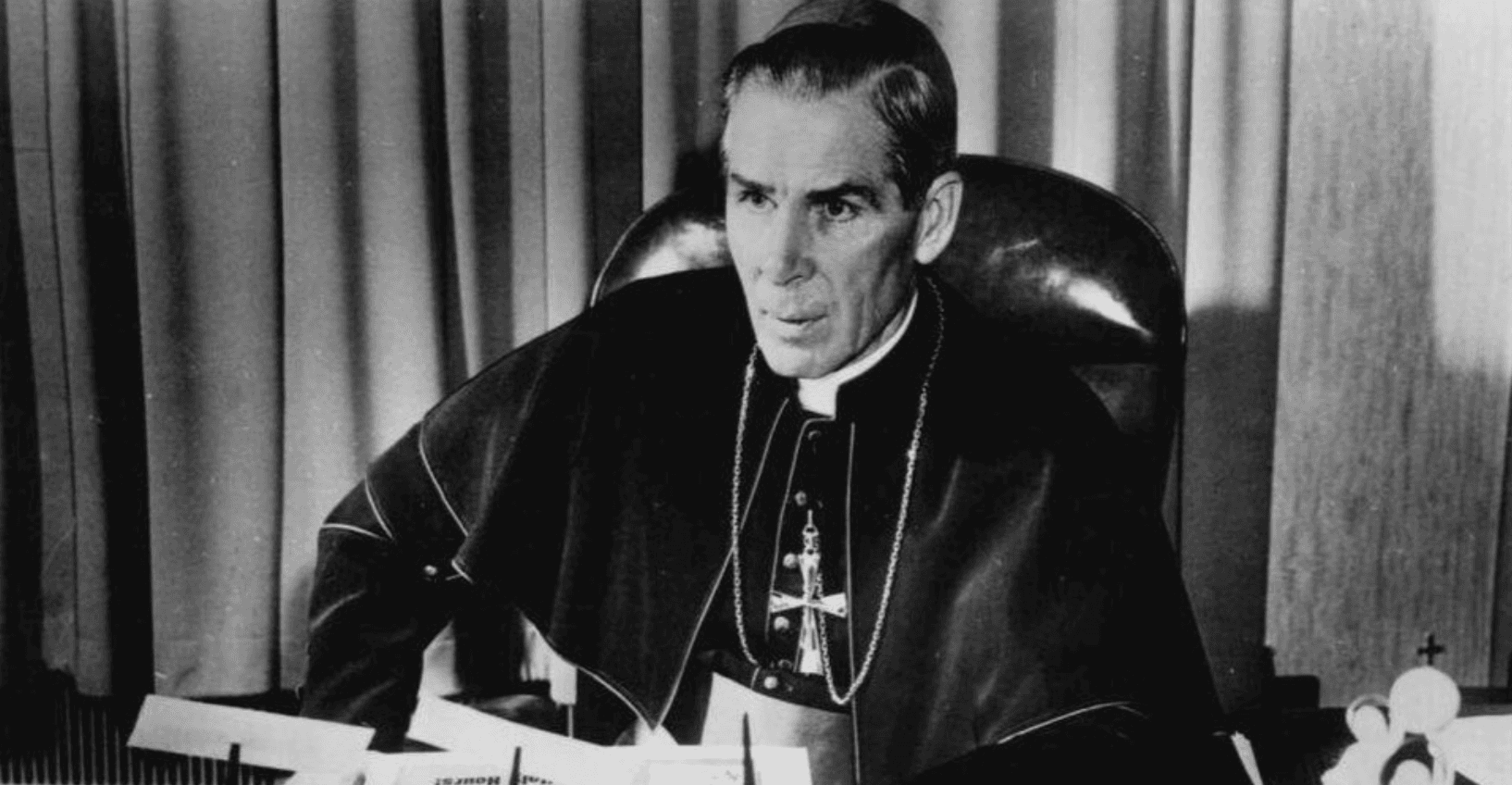
First parish named for Bl Fulton Sheen established in Illinois
Bishop Louis Tylka of Peoria announced the new Blessed Fulton Sheen Parish two days after Sheen became the first American-born bishop to be beatified
Christine Rousselle Newsroom
Injured priest tells Poles: ‘Do not blame Ukraine’ for convent attack
Corrie Douglas-Young Newsroom
Church leaders urge Drumcree dialogue: ‘Too much is at stake’
Corrie Douglas-Young Newsroom
Thousands of Irish children to join global Rosary campaign
Corrie Douglas-Young Newsroom
TikTok priest urges young people to stand with persecuted Christians
Nathalie Raffray
subscribe to the catholic herald today
Our best content is exclusively available to our subscribers. Subscribe today and gain instant access to expert analysis, in-depth articles, and thought-provoking insights—anytime, anywhere. Don’t miss out on the conversations that matter most.
Subscribe



