




Well, Pope Francis continues to fascinate us all, and to unnerve some, even including old died in the wool papalists like me; though I still have a pretty unshakeable confidence that all is well. Pope Francis, though truly God’s Vicar, is only human (actually, his frankness on that score is part of his fascination for the non-Catholic world) and like ordinary human beings he (though no pope can be ordinary) is still open to errors of judgment, especially when it comes to such problems as making appointments to senior positions (Pope John Paul made several misjudgments of that kind: all of them, to my mind gloriously neutralised by his inspired appointment as prefect of the CDF of a certain Joseph Ratzinger). Fr Tim Finigan, probably with all this in mind, had a characteristically clear-minded post on Sunday (how does he find the time?), headlined ”Assent and papal magisterium” - this piece comprised, he said, “a few notes concerning the papal magisterium from classical Catholic theology”. He reminds us of what we already knew, or should have known: “when the Pope defines ex cathedra a doctrine concerning faith or morals, he enjoys that infallibility with which Our Lord willed the Church to be endowed. To these definitions, we must give the assent of faith.” So far so clear. And: “The Pope also teaches with an authentic magisterium (teaching authority) that is not infallible. Examples of such teaching are the encyclical letters of the Pope, and decrees issued by the Holy See in forma specifica”. This is also clear enough and, for Catholics at least ought to be uncontroversial. But: “decrees of the Holy See may be issued merely in forma communi. This approval means that they are legitimate, authentic and to be promulgated. But this approval does not make such statements to be formal decrees of the Supreme Pontiff. To such statements or decrees, we must give obedience, though we may internally disagree with them". The trouble with that “internal disagreement”, however, is that there are plenty of people who think that they are loyal Catholics, but who think that that disagreement automatically entitles them to say that their conscience authorises their public opposition and disobedience. As I shall argue, not for the first time, they have a fatally defective understanding of the word “conscience”. Non-infallible papal decrees, says Fr Finigan, “are inferior to ex cathedra statements but, as part of the authentic magisterium of the Supreme Pontiff, they do not require the assent of faith but they do demand our religious submission of mind and will. Lumen Gentium n.25 affirms this.” (My italics). Hence, he goes on:
1:49 PM
Some Catholic ‘traditionalists’ have about the same relationship with the Catholic tradition as the BNP with the English Conservative tradition
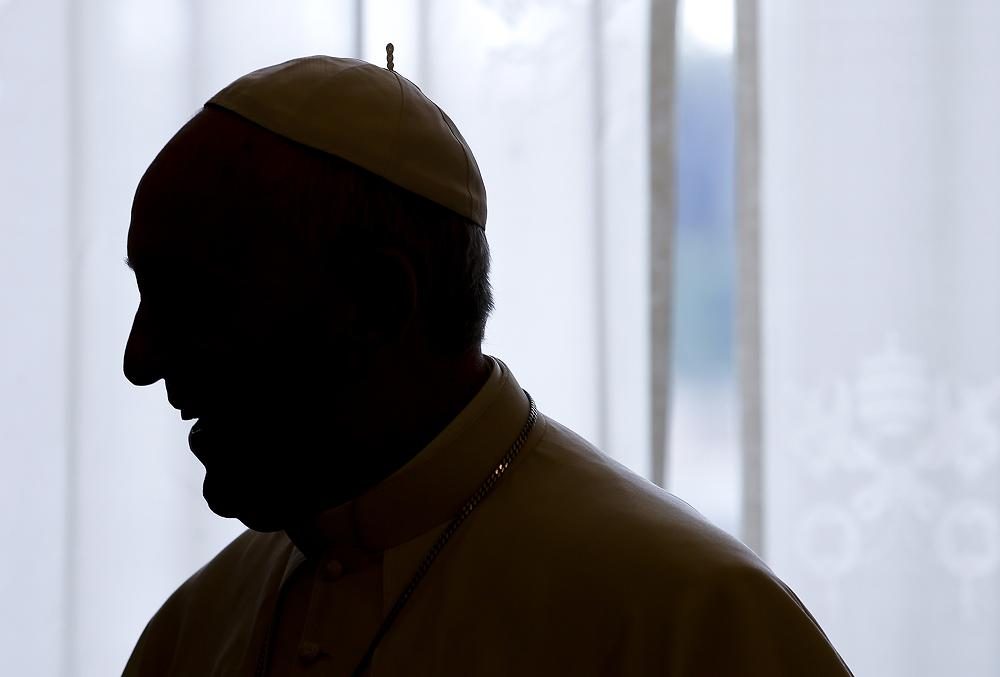
Pope Francis is sometimes unnerving. But he is after all the Pope, the Vicar of Christ. To some Catholics who claim to defend orthodox belief that means nothing
William Oddie

8 min read



Already a subscriber? Sign in
5freearticles every month
Continue reading with a free account. No card needed.
- Five free articles every thirty days, on any device you sign in on
- The Catholic Herald newsletter, every morning
- Subscribe whenever you like for everything: every article and the magazine
Related articles
 Newsroom
Church leaders urge Drumcree dialogue: ‘Too much is at stake’
The Catholic and Church of Ireland Archbishops of Armagh have urged a renewed commitment to peace and reconciliation amid the Drumcree stand-off
Corrie Douglas-Young Newsroom
Thousands of Irish children to join global Rosary campaign
Corrie Douglas-Young Newsroom
TikTok priest urges young people to stand with persecuted Christians
Nathalie Raffray Newsroom
Baby born at 25 weeks reunites with neonatologist two years after leaving hospital
The Catholic Herald Newsroom
Joe Biden honoured by Planned Parenthood after defending abortion rights
Christine Rousselle
subscribe to the catholic herald today
Our best content is exclusively available to our subscribers. Subscribe today and gain instant access to expert analysis, in-depth articles, and thought-provoking insights—anytime, anywhere. Don’t miss out on the conversations that matter most.
Subscribe



