.png)


The Society of St Pius X has issued an open letter and a lengthy declaration of faith addressed to Pope Leo XIV and the College of Cardinals, days before an extraordinary consistory at the Vatican and one week before the traditionalist priestly society plans to consecrate bishops without papal approval.
The documents, published June 24, present the SSPX’s position as a public reaffirmation of Catholic tradition at a moment of heightened tension with Rome. The declaration, titled Profession of Catholic Faith of the Society of St Pius X to Enlighten Souls in the Face of Modern Errors, sets out 154 statements on Catholic doctrine, including divine revelation, tradition, the sacraments, the Virgin Mary, the Mass, ecumenism and the social reign of Christ.
In its accompanying open letter, the SSPX said it was acting out of concern for the Church and for souls. “We are convinced that Tradition contains all the remedies for the deepest ills afflicting the Church and the world, for which solutions are sought in vain outside of it,” the Society wrote.
The move comes ahead of the June 26-27 extraordinary consistory of cardinals at the Vatican and the SSPX’s planned episcopal consecrations on July 1 at its seminary in Écône, Switzerland. The consecrations are expected to proceed without a papal mandate, despite repeated Vatican warnings that such an act would deepen the Society’s break with Rome.
On May 13, Cardinal Víctor Manuel Fernández, prefect of the Dicastery for the Doctrine of the Faith, warned that episcopal consecrations without papal approval would constitute “a schismatic act” and would incur automatic excommunication under canon law for both the consecrating bishops and those consecrated.
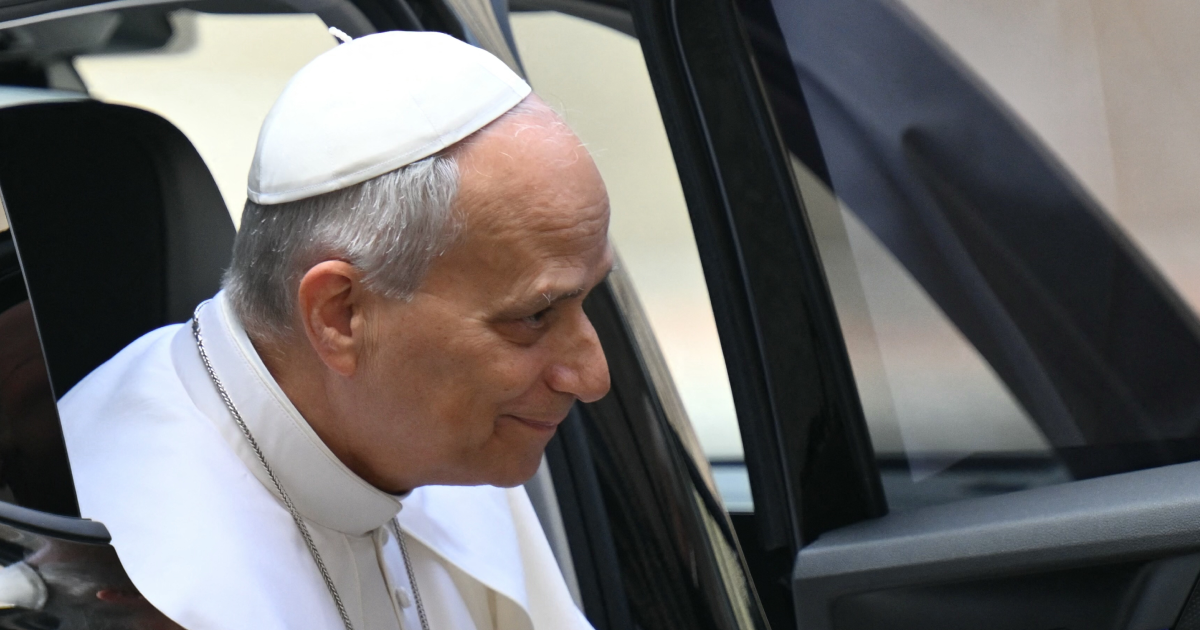
Pope Leo XIV addressed the matter directly on June 16 outside Villa Barberini in Castel Gandolfo, saying he had urged the SSPX not to proceed. “Do not do this. Let us try to live in communion in the Church,” the Pope said, adding that the decision ultimately belonged to the Society’s leaders and that they must understand its consequences “for them and for the Church”.
The SSPX, founded by archbishop Marcel Lefebvre in 1970, exclusively celebrates the Traditional Latin Mass and has long rejected or disputed elements of Vatican II, especially on religious liberty, ecumenism and the Church’s approach to non-Christian religions.
The new declaration reflects those concerns. In its preamble, the Society professes adherence to the Catholic faith as received from the Apostles and transmitted through the Church, while rejecting what it calls the errors of “liberalism, indifferentism, modernism, ecumenism and laicism”. It argues that the current state of confusion in the Church requires a fuller statement of doctrine rather than “equivocal or truncated language”.
The text also gives significant attention to the liturgy. It states that the traditional Roman Mass expresses Catholic teaching on sacrifice, priesthood and the Real Presence “with incomparable clarity”. It criticises contemporary liturgical reforms, saying they have obscured the sacrificial character of the Mass and contributed to a loss of the sense of the sacred.
On the sacraments, the declaration affirms the traditional teaching that there are seven sacraments instituted by Christ and rejects pastoral approaches that, in the SSPX’s view, weaken the sense of sin, minimise sacramental Confession, or confuse the ordained priesthood with the common priesthood of the faithful.
The declaration also reiterates the Society’s opposition to forms of ecumenism it considers ambiguous or doctrinally compromising. It says Catholic doctrine must be professed without omission and it criticises what it describes as efforts to seek religious unity by passing over revealed truths.
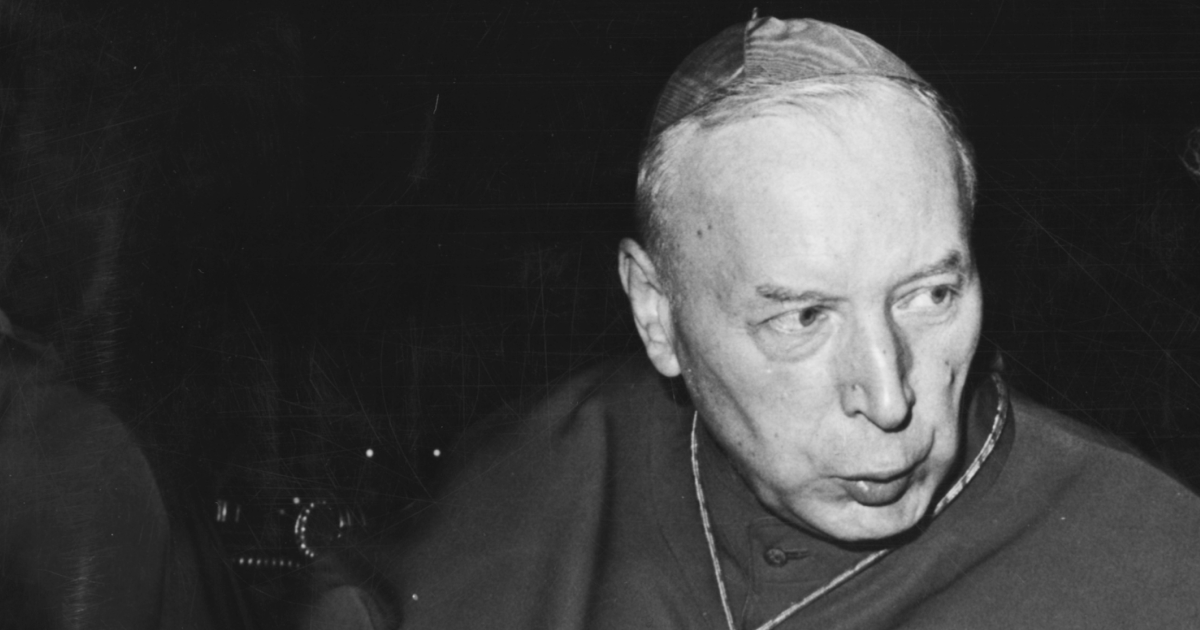
The publication marks the latest escalation in a long-running dispute between the SSPX and the Holy See. In 1988, archbishop Lefebvre consecrated four bishops without papal approval, leading Pope St John Paul II to declare the act schismatic. The planned July 1 consecrations would fall on the anniversary of those excommunications.
While the Holy See has made repeated attempts over the decades to regularise the SSPX’s canonical status, the Society remains outside full canonical communion with Rome. Vatican officials had proposed renewed theological dialogue earlier this year in an effort to avoid a rupture over the planned consecrations.
At the time of writing, the Holy See Press Office had not responded publicly to the SSPX’s June 24 declaration.