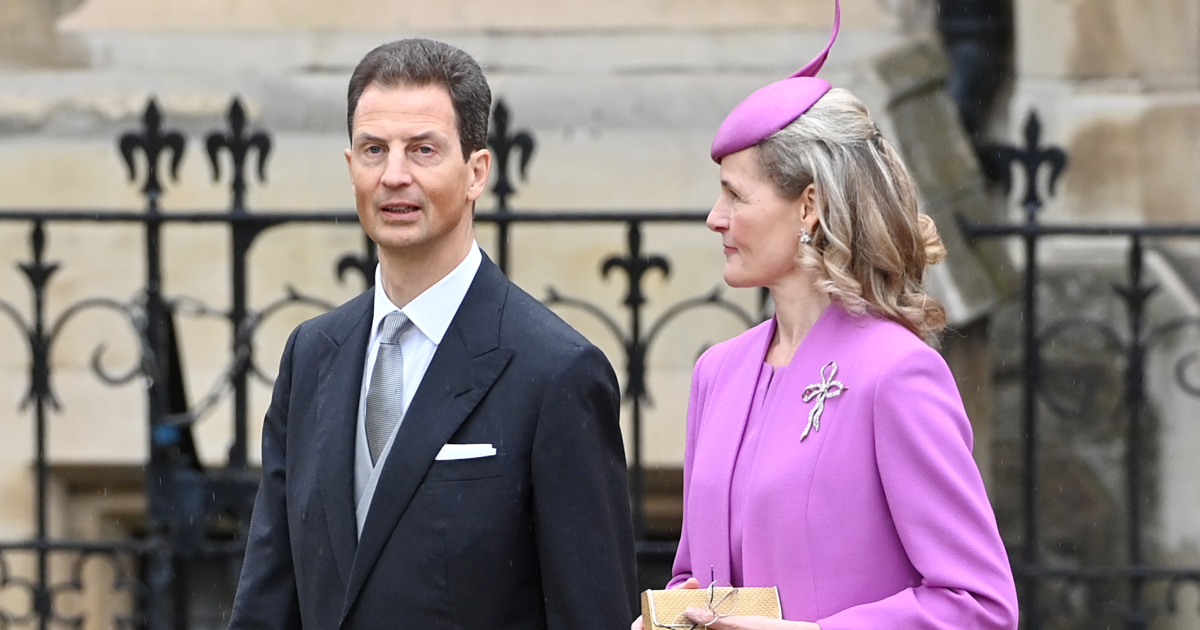


The prince of Liechtenstein has vowed to keep abortion illegal and will block any effort to legalise the procedure, as an effort to legalise it throughout the first trimester of pregnancy gains some support.
Hereditary Prince Alois, the country’s regent, announced that he would veto the results of the referendum in a June 17 profile in the Liechtenstein publication Vaterland.
“From my point of view, it is not right,” said Prince Alois in the interview.
Under Liechtenstein’s laws, Prince Alois has veto power over referendums, can make judicial appointments and suggest changes to laws. Prince Alois has never actually used the veto power, although he did threaten to in 2011 when legalised abortion was on the ballot.
A 2012 vote to change the prince’s veto power failed, with 70 per cent of Liechtensteiners voting to keep the existing system.
Liechtenstein has a population of about 41,000 people. Roughly 70 per cent of the country is Catholic, and Catholicism is the state religion. An estimated 40 women travel to either Austria or Switzerland for abortions each year, said Swiss outlet SRF.
Abortion is only legal in Liechtenstein in cases of sexual assault or to protect the mother’s health. In neighbouring Switzerland, it is legal for the first 12 weeks of a pregnancy; in Austria, it is legal for the first three months of a pregnancy.
Until 2015, it was illegal for a woman to leave Liechtenstein and receive an abortion abroad. It is also illegal for a doctor in Liechtenstein to inform a woman about the possibility of abortion.
In June, a citizen initiative dubbed “Fristenlösung für Liechtenstein” – “Time-limit solution for Liechtenstein” – began collecting signatures for a referendum that would legalise abortion through the first 12 weeks of pregnancy and would permit doctors to provide women with information about abortion.
“We are advocating for legal abortion up to the third month, the repeal of the ban on providing information, and coverage of the costs by health insurance,” said the group’s website.
Unlike in 2011, when he only signified his intent to veto about a month before the scheduled vote, Prince Alois announced his planned veto before the drive to collect signatures even began.
Despite the futility of an election with the announced veto, the organisers of Fristenlösung für Liechtenstein say they “will continue as before” and that “it is all the more important to gather the opinion of the people.”