



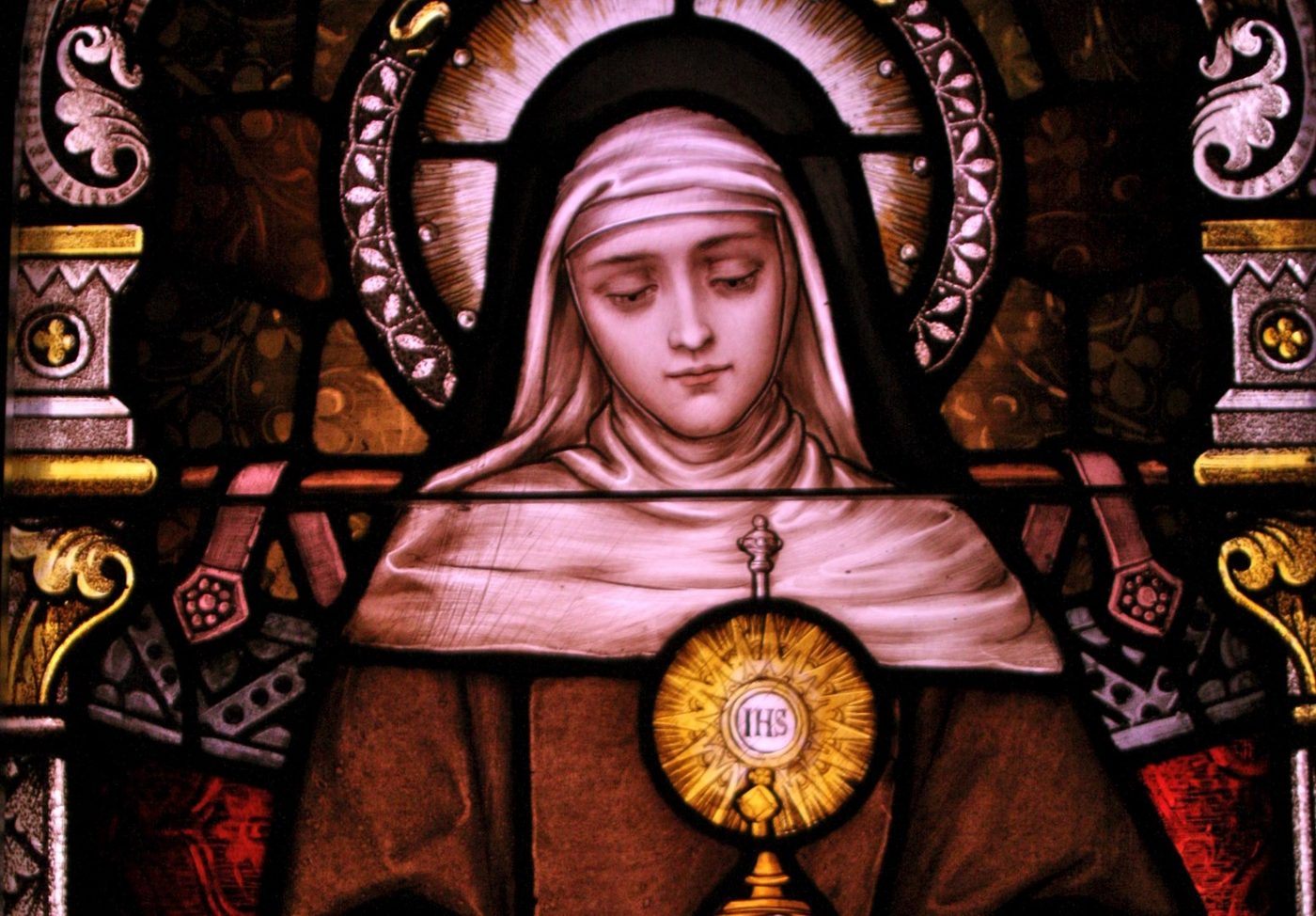
Years ago, I was taken, as an impressionable child, to see Franco Zefirelli’s wonderful film Brother Sun, Sister Moon. So you can imagine my shock, years later, when I read the Franciscan sources, and discovered that Zefirelli’s sunlit vision of Francis and Clare of Assisi represents one particular interpretation of the story, and one that leave rather a lot out. The Franciscan sources are collected in a single useful volume entitled Saint Francis of Assisi, Omnibus of Sources, edited by Marion A. Habig. As you read through the oldest accounts of the life of Francis, one has that sense of an onion being peeled away. Some perhaps would say that in the end we can know very little about the real historical Francis, given that he was subjected to interpretation so early on. And as you read the First Life and the Second Life by Thomas of Celano (author incidentally of the Dies Irae), along with St Bonaventure’s Major Life and The Legend of the Three Companions, you notice the differences, and you spot what has been excluded and you wonder why. Famously, Thomas’s First life was judged not good enough by St Bonaventure, who commanded the author to try again, hence the Second Life. Bonaventure, the head of the Order, was very keen to present what he thought was the ‘right’ Saint Francis to the world. In particular, Bonaventure was keen to avoid too much emphasis on Francis’s supposedly riotous life before his conversion; but this, of course, has the unintended consequence of toning down the dramatic nature of that conversion. One thing, however, is absolutely clear from reading the Franciscan sources, and that is that Francis and Clare (whose feast we keep today) were given to long periods of seclusion, silence, prayer and fasting. They were penitents, and they were also religious ecstatics. As St Bonaventure himself tells us:
2:29 PM
St Clare and St Francis show us what we can achieve through prayer and fasting
The saints were given to long periods of seclusion, silence, prayer and fasting
Fr Alexander Lucie-Smith

5 min read



Already a subscriber? Sign in
5freearticles every month
Continue reading with a free account. No card needed.
- Five free articles every thirty days, on any device you sign in on
- The Catholic Herald newsletter, every morning
- Subscribe whenever you like for everything: every article and the magazine
Related articles
 Newsroom
Church leaders urge Drumcree dialogue: ‘Too much is at stake’
The Catholic and Church of Ireland Archbishops of Armagh have urged a renewed commitment to peace and reconciliation amid the Drumcree stand-off
Corrie Douglas-Young Newsroom
Thousands of Irish children to join global Rosary campaign
Corrie Douglas-Young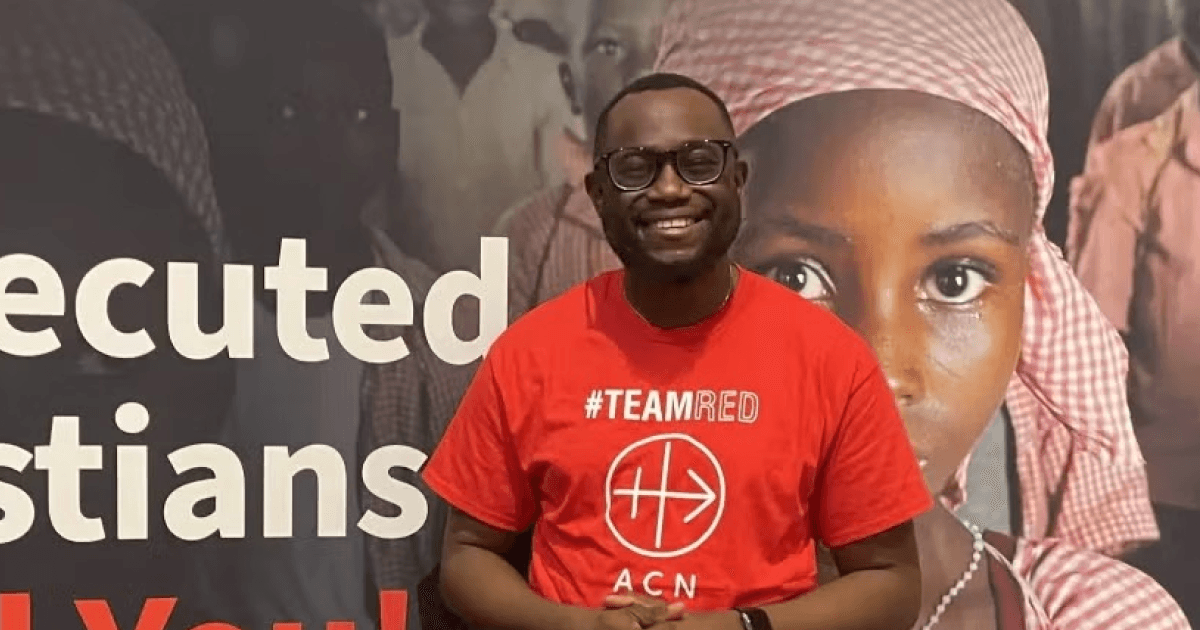 Newsroom
TikTok priest urges young people to stand with persecuted Christians
Nathalie Raffray Newsroom
Baby born at 25 weeks reunites with neonatologist two years after leaving hospital
The Catholic Herald Newsroom
Joe Biden honoured by Planned Parenthood after defending abortion rights
Christine Rousselle
subscribe to the catholic herald today
Our best content is exclusively available to our subscribers. Subscribe today and gain instant access to expert analysis, in-depth articles, and thought-provoking insights—anytime, anywhere. Don’t miss out on the conversations that matter most.
Subscribe



