

For Catholics, certain place names have a particular resonance: think Avila, Lisieux or Lourdes and we immediately associate them with the saint who gave them prominence. The name Assisi conjures up my patron saint, Francis of Assisi (sorry about the spelling of my name; I’m still a woman, despite a few queries in blog posts) whose feast day was October 4. In the old days, ie before the 1960s, St Francis and his birthplace meant the man of the stigmata who fell in love with “Lady Poverty”, founded the Franciscan Order, wrote the Canticle of the Sun and invented the first Christmas crib and so on. Then came the hippies, Greenpeace and the ecology movement and he was transformed into the “patron” of the beards and sandals brigade. Then came the historic meeting at Assisi, called by the late John Paul II in 1986 after which, in traditionalist circles, the place became a byword of apostasy. John Paul II was accused of giving the impression that the Catholic faith is only one among many, suggesting all have equal value. Even now, you only have to whisper the word “Assisi” in some quarters for a collective gasp of horror to follow. Now we are in the new millennium, in the era of the new evangelisation called by the present Pope, and I am hoping that the name “Assisi” will be given new life as the place where Benedict XVI led Catholics, representatives of other religions - and also non-believers - into a deeper search for world peace. Pope Benedict, in an intriguing letter to a Lutheran minister, has made clear his own view of the World Day of Prayer for Peace, due to take place in Assisi on October 27, writing:
1:29 PM
St Francis would have rejoiced at the idea of a pilgrimage to truth at Assisi
His own life was a pilgrimage of joyful suffering towards a closer union with Christ
Francis Phillips

4 min read



Already a subscriber? Sign in
5freearticles every month
Continue reading with a free account. No card needed.
- Five free articles every thirty days, on any device you sign in on
- The Catholic Herald newsletter, every morning
- Subscribe whenever you like for everything: every article and the magazine
Related articles
 Newsroom
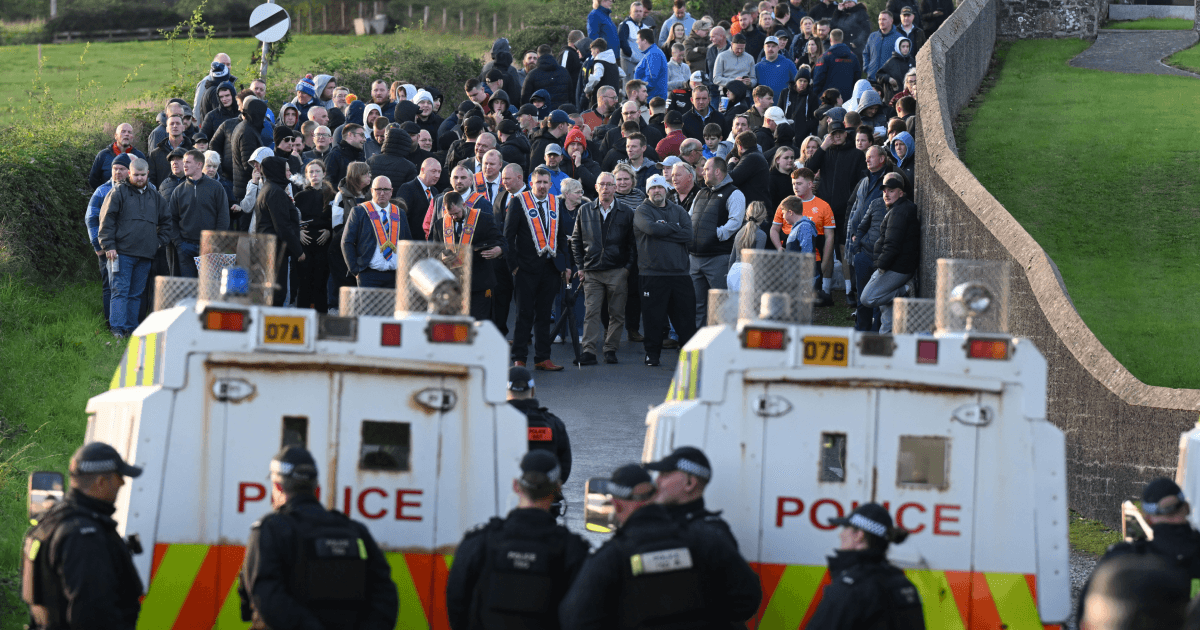
Church leaders urge Drumcree dialogue: ‘Too much is at stake’
The Catholic and Church of Ireland Archbishops of Armagh have urged a renewed commitment to peace and reconciliation amid the Drumcree stand-off
Corrie Douglas-Young Newsroom
Thousands of Irish children to join global Rosary campaign
Corrie Douglas-Young Newsroom
TikTok priest urges young people to stand with persecuted Christians
Nathalie Raffray Newsroom
Baby born at 25 weeks reunites with neonatologist two years after leaving hospital
The Catholic Herald Newsroom
Joe Biden honoured by Planned Parenthood after defending abortion rights
Christine Rousselle
subscribe to the catholic herald today
Our best content is exclusively available to our subscribers. Subscribe today and gain instant access to expert analysis, in-depth articles, and thought-provoking insights—anytime, anywhere. Don’t miss out on the conversations that matter most.
Subscribe



