



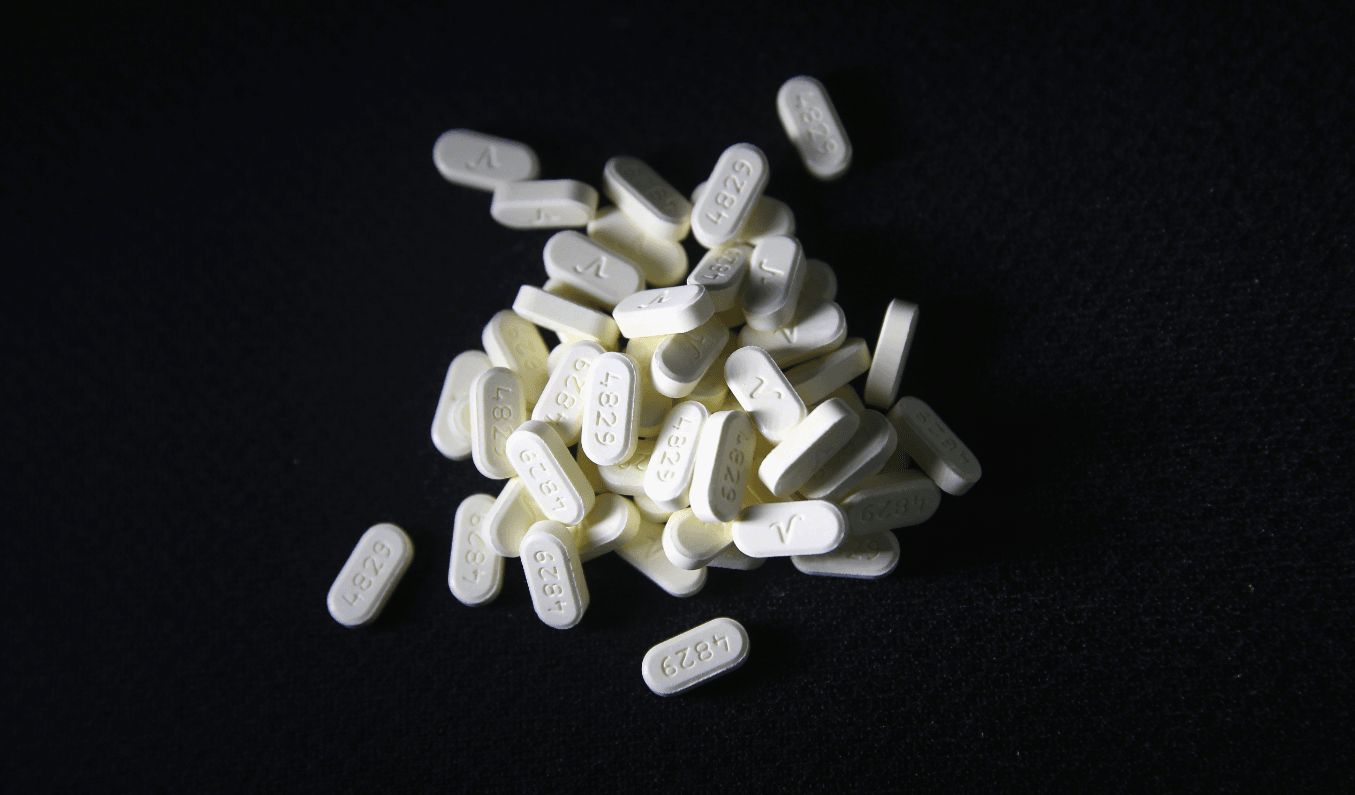
I first learned about the opioid affliction in America on reading JD Vance’s marvellous memoir Hillbilly Elegy – his story about growing up in America in a poor white family. Vance described an epidemic affecting his whole community and the desperate addiction to prescription painkillers from which 350,000 Americans have now died. There are now concerns that this “opioid epidemic” is appearing in Britain, with a growing number of deaths from dependence and overdose of opioids (co-codamol, tramadol, codeine, co-dydramol, fentanyl and others). There has been a 41 per cent increase in these powerful painkillers over the past decade, and about 2,000 fatalities a year. Blackpool, St Helens and Barnsley are among the many deprived areas whose communities are suffering from opioid overdose. Opioids are initially prescribed for pain. But all drugs can entail dependence, and black markets develop. Dr Andrew Green of the British Medical Association has called for immediate action to stem the increase in opioid use. Doctors are being told to reduce the number of prescriptions and consider alternative methods to address pain or distress. But whether patients will accept that course of action is another question. We are so accustomed to demanding “a pill for every ill” that the idea of being refused a powerful painkiller for, say, back pain is now alien to our expectations. The relief of pain is compassionate medicine, and one that societies have sought since the Franciscans set up centres caring for the sick all over Europe – and probably well before. And yet, if we are to tackle the curse of opioid addiction, shouldn’t we also consider cultivating an attitude of stoicism? That it may be better to endure some pain than to succumb to a drug that can enslave and even kill? It’s hard for us to accept that there isn’t always a pill for every ill, or that some pills may turn out to be worse than the illness they purport to cure. St Paul’s injunction to “suffer in silence” goes against the grain in our cultures today.
1:30 PM
St Paul can help us tackle the curse of opioid addiction
i first learned about the opioid affliction in america on reading jd vance’s marvellous memoir hillbilly elegy – his story about growing up ...
Mary Kenny

4 min read



Already a subscriber? Sign in
5freearticles every month
Continue reading with a free account. No card needed.
- Five free articles every thirty days, on any device you sign in on
- The Catholic Herald newsletter, every morning
- Subscribe whenever you like for everything: every article and the magazine

.png&w=3840&q=75)

subscribe to the catholic herald today
Our best content is exclusively available to our subscribers. Subscribe today and gain instant access to expert analysis, in-depth articles, and thought-provoking insights—anytime, anywhere. Don’t miss out on the conversations that matter most.
Subscribe



