




"Is Confession dead?” That was the question a writer posed on The Catholic Thing website last year. “The Confessionals are empty,” he explained. “The sinners have gone away ... I sense poignantly a lack of what I would call ‘sin awareness’ among modern Catholics.” For years anxious commentators have referred to Confession as the “endangered sacrament”. So it was surprising when Cardinal Vincent Nichols announced last week that Confession has increased “dramatically” in the Year of Mercy. The surge is not limited to Westminster. At the end of their plenary meeting, the English and Welsh bishops spoke of a “remarkable increase in the celebration of the Sacrament of Reconciliation” across the country. To put this in perspective, most research in the past half century has suggested that the sacrament is in decline. A 2008 survey by the Von Hügel Institute at Cambridge University found that “the link between Confession and Communion appears to have been severed”. Just three per cent of Catholics said they only received the Eucharist after confessing their sins. Almost half said it was possible to be a “good Catholic” without going to Confession. That same year, pollsters found that three quarters of American faithful confess once a year or less, and almost half never go at all. The bishops of England and Wales describe the increase in Confessions as “an early fruit of the Year of Mercy”. That’s plausible: many Catholics across Britain are obtaining the Jubilee Year indulgence, which involves walking through a Holy Door and going to Confession. But the rise in Confessions is likely to date back further, to just after Francis’s election when he was establishing the tone of his pontificate. In his first Angelus address, he said memorably: “The Lord never gets tired of forgiving us. It is we who get tired of asking for forgiveness.” Ever since Francis has shown what one writer calls a “Confession obsession”. He speaks, implicitly or explicitly, about Confession in the majority of addresses. In 2014 he became the first pope to attend Confession publicly. His consistent promotion of the sacrament is an important reason for the rise. There are likely to be local factors as well: annual Lenten events such as “The Light Is On For You”, excellent CTS booklets, priests extending their availability for Confessions and more visible confessionals. One cuckoo, of course, doesn’t make a spring. When the Year of Mercy ends in November, Confession could easily slip back into decline. We must be ready to promote the sacrament again: not by hectoring, but by speaking of its tremendous benefits. GK Chesterton expressed these well. “When a Catholic comes from Confession,” he wrote, “he does truly, by definition, step out again into the dawn of his own beginning, and look with new eyes across the world ... He believes that in that dim corner, and in that brief ritual, God has already remade him in His own image.”
1:00 PM
Step into the dawn
Staff writers

5 min read



Already a subscriber? Sign in
5freearticles every month
Continue reading with a free account. No card needed.
- Five free articles every thirty days, on any device you sign in on
- The Catholic Herald newsletter, every morning
- Subscribe whenever you like for everything: every article and the magazine
Related articles
 Newsroom
Church leaders urge Drumcree dialogue: ‘Too much is at stake’
The Catholic and Church of Ireland Archbishops of Armagh have urged a renewed commitment to peace and reconciliation amid the Drumcree stand-off
Corrie Douglas-Young Newsroom
Thousands of Irish children to join global Rosary campaign
Corrie Douglas-Young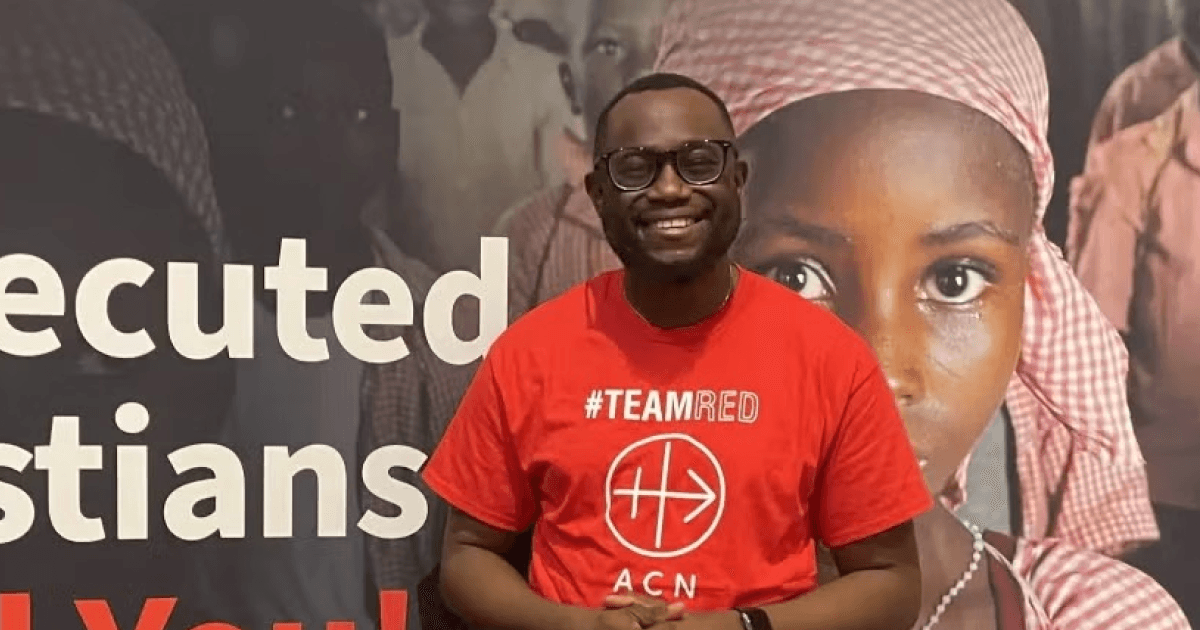 Newsroom
TikTok priest urges young people to stand with persecuted Christians
Nathalie Raffray Newsroom
Baby born at 25 weeks reunites with neonatologist two years after leaving hospital
The Catholic Herald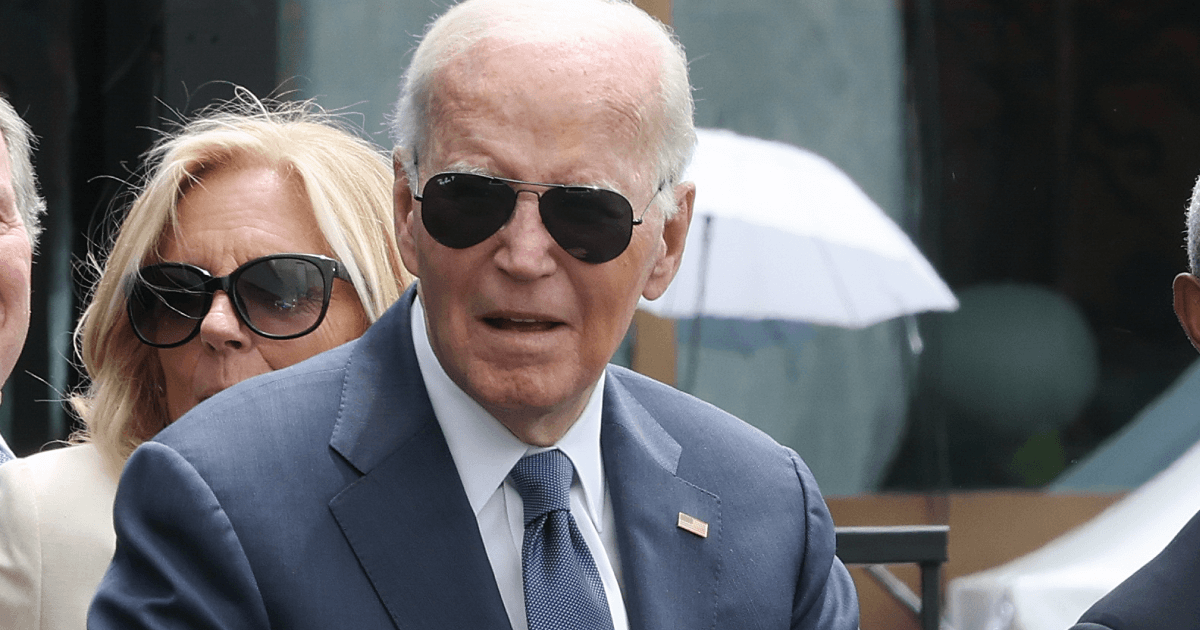 Newsroom
Joe Biden honoured by Planned Parenthood after defending abortion rights
Christine Rousselle
subscribe to the catholic herald today
Our best content is exclusively available to our subscribers. Subscribe today and gain instant access to expert analysis, in-depth articles, and thought-provoking insights—anytime, anywhere. Don’t miss out on the conversations that matter most.
Subscribe



