


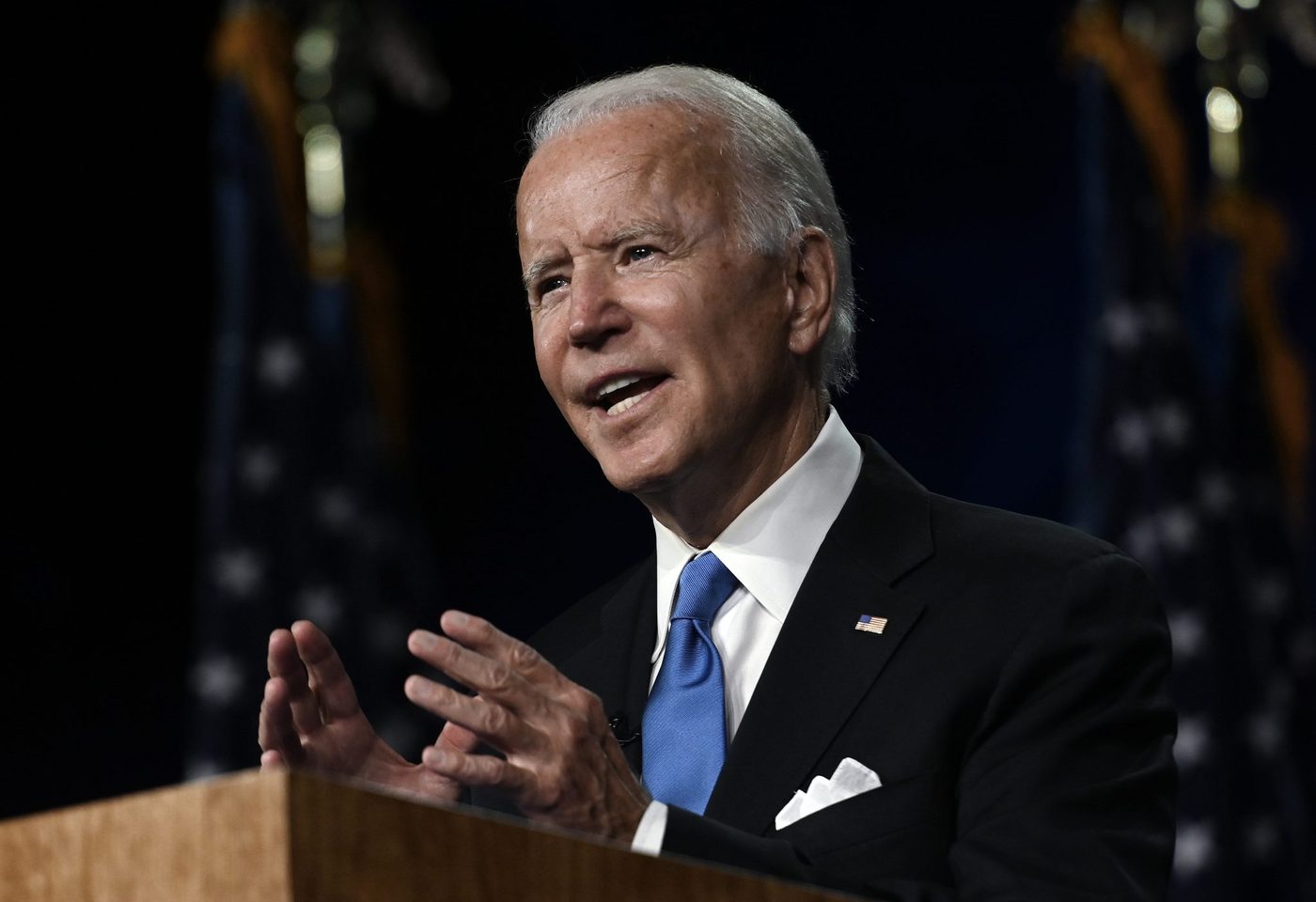
On November 7, news outlets declared Joe Biden winner of the 2020 US presidential election, after the key swing state of Pennsylvania was called for him. Though Donald Trump is yet to concede and the result only became technically official when the Electoral College met on December 14, Joe Biden was set to become the first Catholic president of the United States since John F Kennedy in 1960. When Biden gave his victory speech on November 7, he sought to underline his religious convictions with references to Scripture. Quoting Ecclesiastes 3:1-3, he said: “To everything there is a season: a time to build, a time to reap, and a time to sow and a time to heal.” He added that now was “the time to heal in America”. Biden’s relationship with the Church hierarchy has nevertheless been wounded by his pro-abortion voting record and broader policy stances. Archbishop José Gomez of Los Angeles, president of the US Bishops’ conference, released a statement on November 7 saying that the bishops “congratulate” Biden on becoming “the second United States president to profess the Catholic faith.” But the following week, the archbishop raised concerns about Biden’s record of promoting abortion, saying: “It creates confusion among the faithful about what the Catholic Church actually teaches on these questions.” On November 12, Pope Francis congratulated Biden on his election success in a telephone call. According to the Biden-Harris transition team, the “president-elect thanked His Holiness for extending blessings and congratulations and noted his appreciation for His Holiness’ leadership in promoting peace, reconciliation, and the common bonds of humanity around the world.” The press release added that Biden had expressed to the Pope a “desire to work together on the basis of shared belief in the dignity and equality of all humankind on issues such as caring for the marginalised and the poor, addressing the crisis of climate change, and welcoming and integrating immigrants and refugees into our communities”.
8:02 AM
Story of the month: Toward a second Catholic presidency
Biden’s relationship with the Church hierarchy has been wounded by his pro-abortion voting record and broader policy stances.
Staff Reporter

2 min read



Already a subscriber? Sign in
5freearticles every month
Continue reading with a free account. No card needed.
- Five free articles every thirty days, on any device you sign in on
- The Catholic Herald newsletter, every morning
- Subscribe whenever you like for everything: every article and the magazine
Related articles
 Newsroom
Church leaders urge Drumcree dialogue: ‘Too much is at stake’
The Catholic and Church of Ireland Archbishops of Armagh have urged a renewed commitment to peace and reconciliation amid the Drumcree stand-off
Corrie Douglas-Young Newsroom
Thousands of Irish children to join global Rosary campaign
Corrie Douglas-Young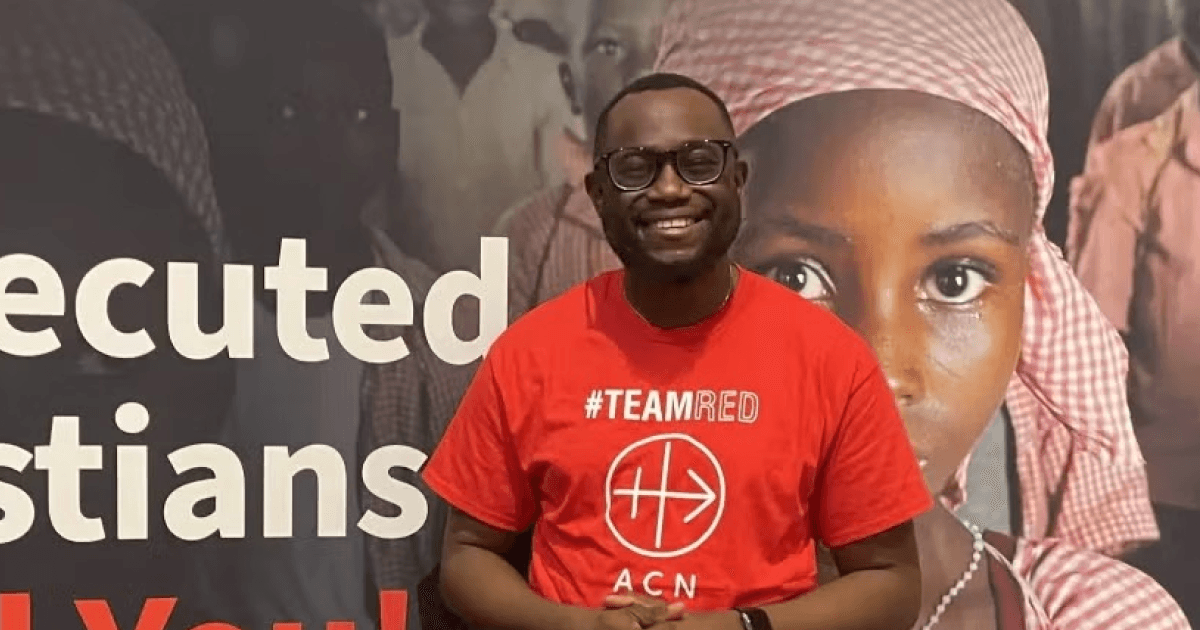 Newsroom
TikTok priest urges young people to stand with persecuted Christians
Nathalie Raffray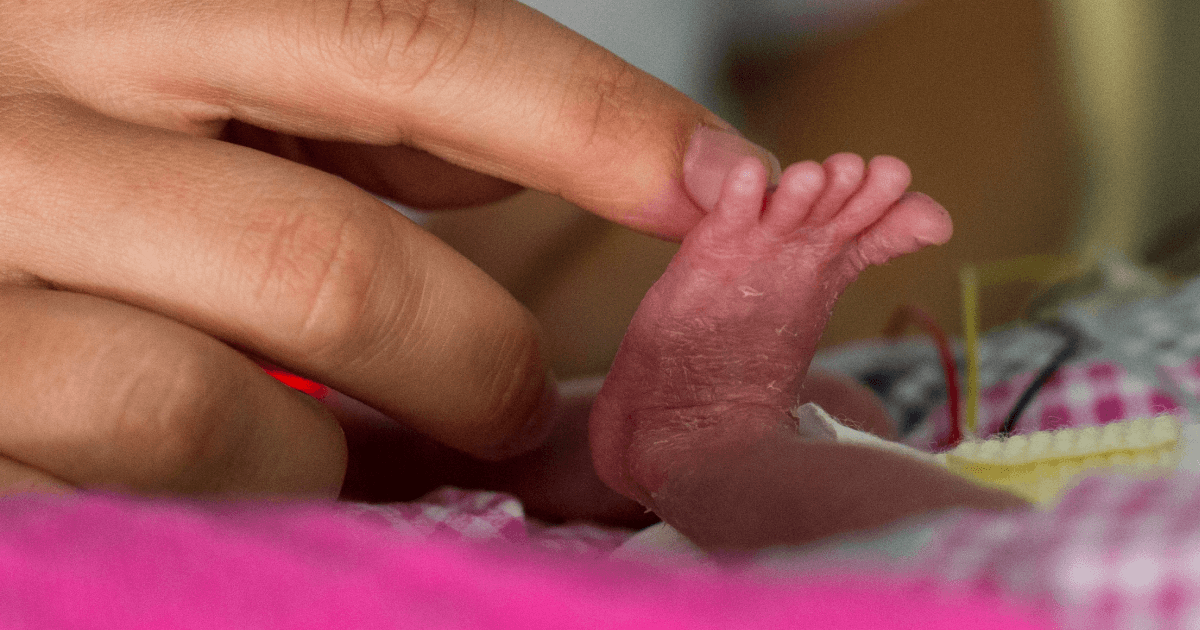 Newsroom
Baby born at 25 weeks reunites with neonatologist two years after leaving hospital
The Catholic Herald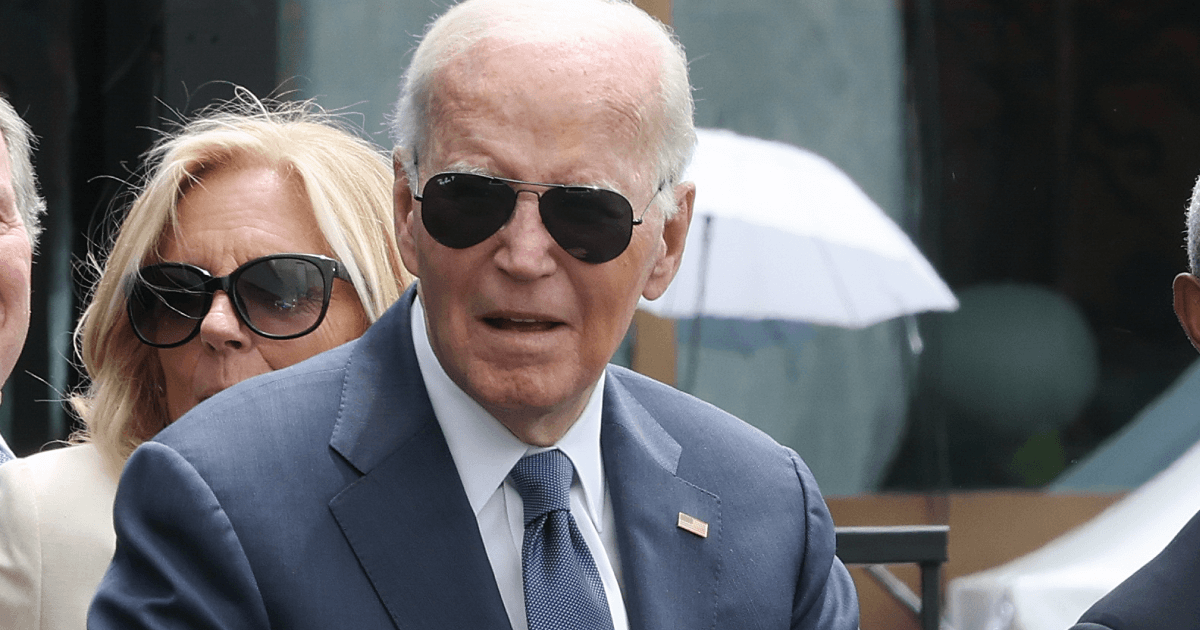 Newsroom
Joe Biden honoured by Planned Parenthood after defending abortion rights
Christine Rousselle
subscribe to the catholic herald today
Our best content is exclusively available to our subscribers. Subscribe today and gain instant access to expert analysis, in-depth articles, and thought-provoking insights—anytime, anywhere. Don’t miss out on the conversations that matter most.
Subscribe



