


In a new Dublin tradition, shoppers flock to hear stars such as Bono, Ronan Keating and Sinéad O’Connor busk for charity in Grafton Street on Christmas Eve. The irony is that busking permits and limits on amplification were introduced in the street this year, sparking vehement protest. In the forthcoming Irish elections, Dublin City Buskers will lobby for busking to be recognised as an art form, exempt from restriction under the 2003 Arts Act. Street performance everywhere is caught in the riptide of change. “I’d be quoting Dickens if I said it was the best of times, it was the worst of times,” says British campaigner Jonny Walker. Social media brings buskers and fans together, and a new generation aims to build music careers this way. In London, through Mayor Boris Johnson’s busking initiatives, it’s easier to perform in the West End without being moved on than it was a decade ago, veterans say. David Mwaniki, a busker for 20 years who writes gospel songs, speaks approvingly of more varied acts and new pitches in Oxford Street and the Angel, north London. Yet there’s also a trend of urban authorities trading on the image of creativity while suppressing busking. The privatisation of public space has been speeded up by the arrival in Britain and Ireland of Business Improvement Districts (Bids) funded by local firms. Camden Council, backed by Camden Bid, took action against the two per cent of noise complaints that related to busking with performance licences costing up to £47. It now requires all applications to perform using amps to seek public consultation. Religious music escaped regulation, leading to the formation of the “Church of the Holy Kazoo”. Camden won a £100,000 court challenge against the policy but is left with costly enforcement and weakened music credentials, say opponents. The Busking Project’s Nick Broad has built an app that allows cashless payments to street performers. He hopes to anticipate consumer trends and send Bids the message that “busking has significant benefits ... a way of differentiating their commercial districts from [a] hundred ‘malls without walls’”. Billy Bragg, meanwhile, worries about the context of the revival of street performance. “There should be something spontaneous about busking. Do auditions and official spaces exclude genuinely interesting performers in favour of those who play lovely covers? If Transport for London merely require buskers to provide soothing muzak, then we’ve lost something."
12:00 PM
Street art: New friends and old enemies for buskers
Josh Neicho

2 min read



Already a subscriber? Sign in
5freearticles every month
Continue reading with a free account. No card needed.
- Five free articles every thirty days, on any device you sign in on
- The Catholic Herald newsletter, every morning
- Subscribe whenever you like for everything: every article and the magazine
Related articles
 Newsroom
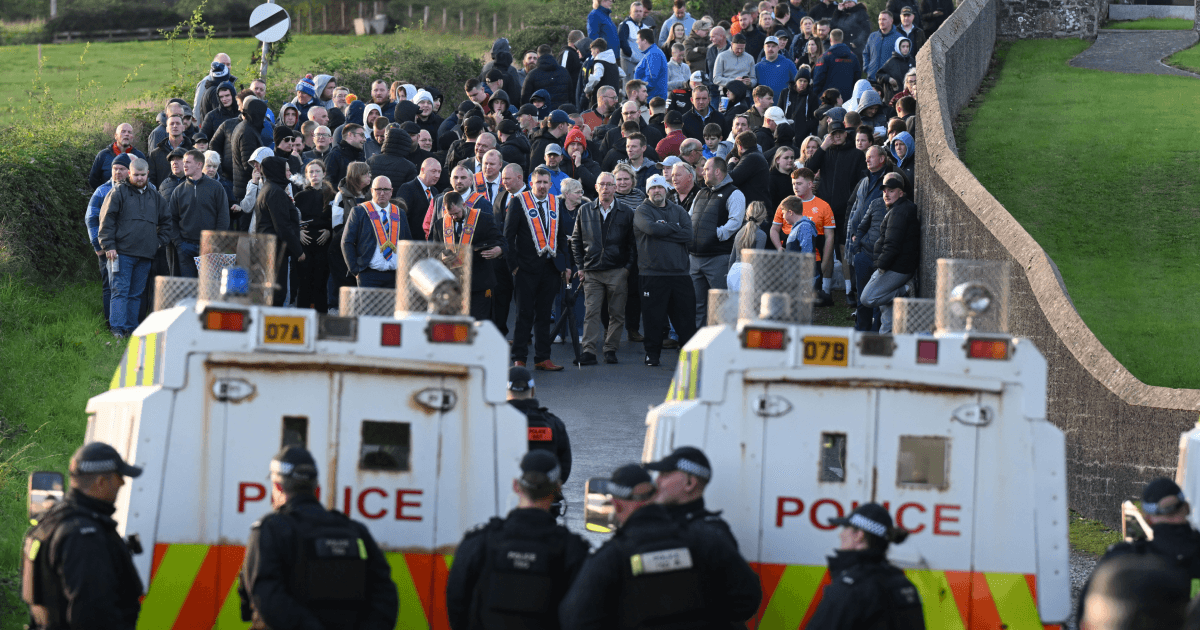
Church leaders urge Drumcree dialogue: ‘Too much is at stake’
The Catholic and Church of Ireland Archbishops of Armagh have urged a renewed commitment to peace and reconciliation amid the Drumcree stand-off
Corrie Douglas-Young Newsroom
Thousands of Irish children to join global Rosary campaign
Corrie Douglas-Young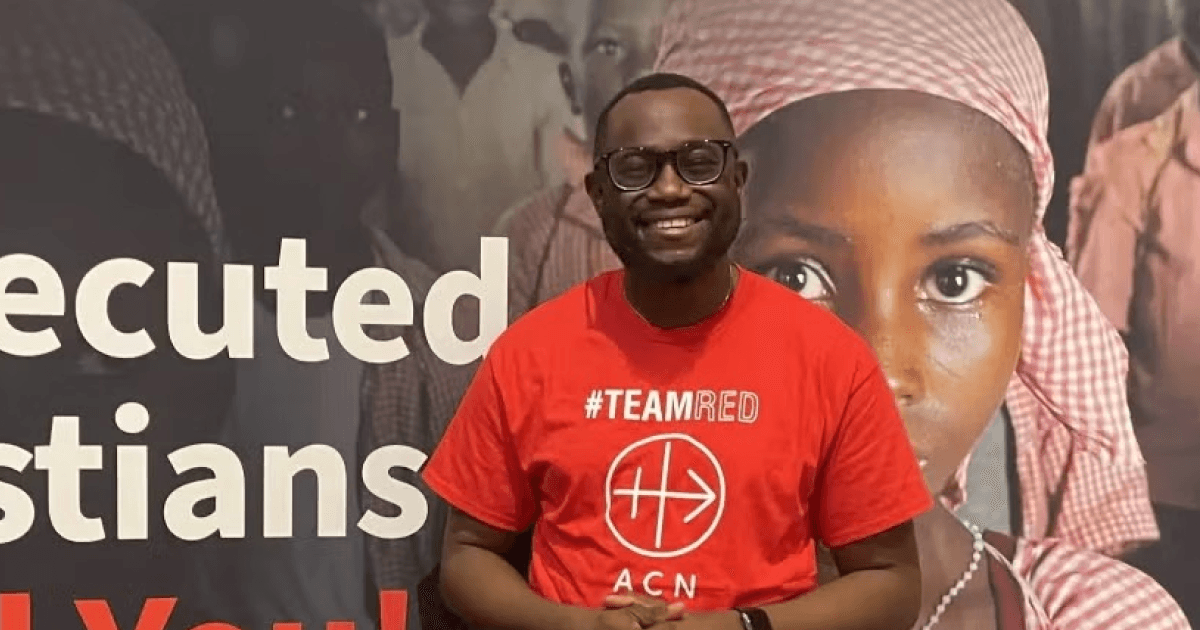 Newsroom
TikTok priest urges young people to stand with persecuted Christians
Nathalie Raffray Newsroom
Baby born at 25 weeks reunites with neonatologist two years after leaving hospital
The Catholic Herald Newsroom
Joe Biden honoured by Planned Parenthood after defending abortion rights
Christine Rousselle
subscribe to the catholic herald today
Our best content is exclusively available to our subscribers. Subscribe today and gain instant access to expert analysis, in-depth articles, and thought-provoking insights—anytime, anywhere. Don’t miss out on the conversations that matter most.
Subscribe



