February 12, 2026

Television: Prudish Waugh would approve of this Decline

Tim Stanley
More
No items found.
Related
Min read
share

The genius of Evelyn Waugh was his ability to be both moral and malicious, to find joy in just how wicked we really are. Decline and Fall (Fridays, BBC One, 9pm) is an adaptation of his first novel – the story of Paul Pennyfeather, an innocent undone by the selfishness of other people.

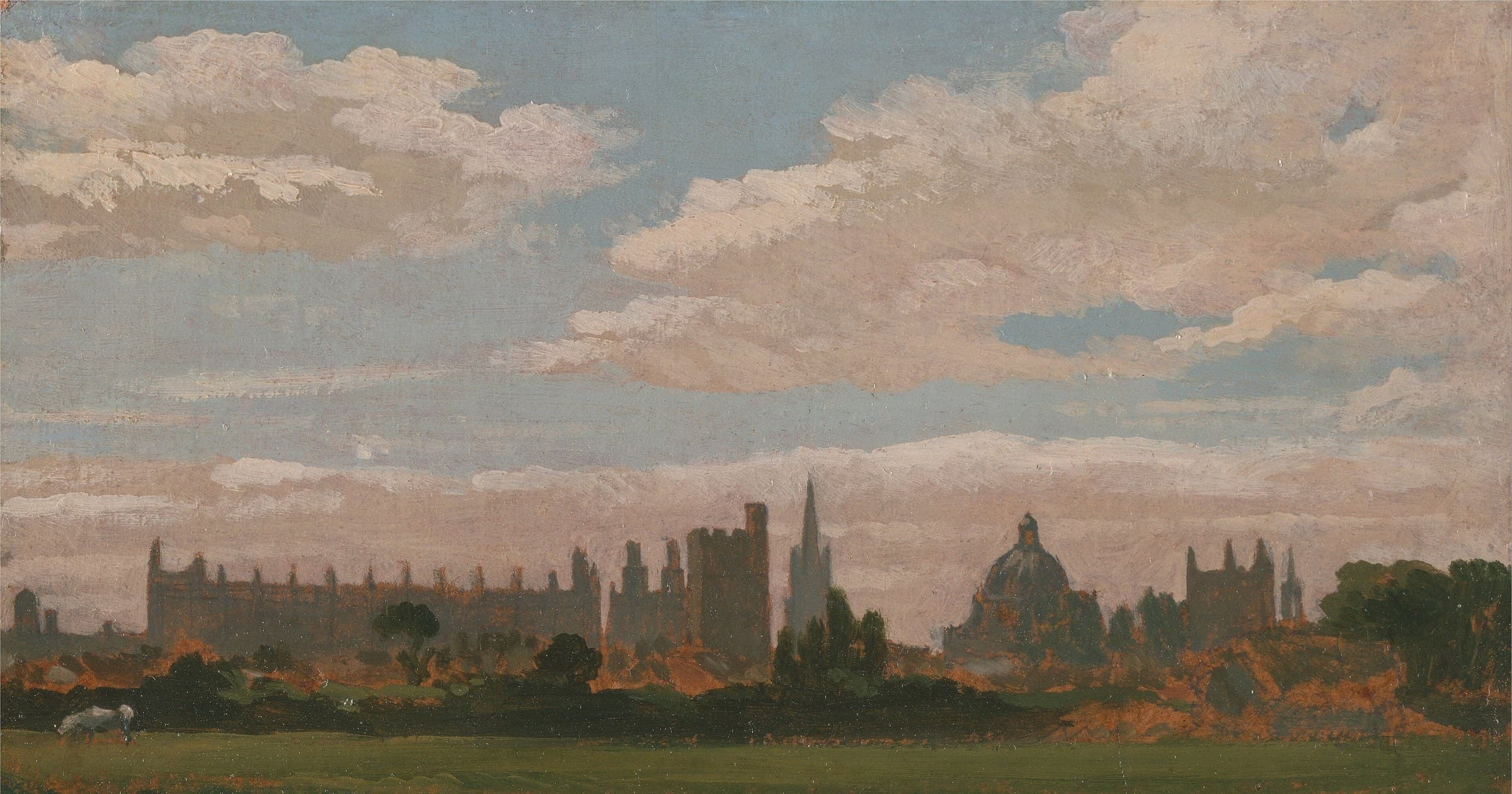
Paul had hoped to be a clergyman, but the public shame of a violent debagging at Oxford leaves him with no option but to go into teaching. It’s a fate worse than death. As the novel observes: “Anyone who has been to an English public school will always feel comparatively at home in prison.”
The book reminds us that there’s never been a time in history when people didn’t assume it was all about to end. Today, the 1920s seems like a golden age of peace and plenty between the wars. Waugh helped create that image with his later novel Brideshead Revisited – “drowning in honey” was how one of his characters described the decade. And yet Decline and Fall, published in 1928, depicts a shallow, nasty civilisation so exhausted that it can barely keep up the pretence of decency.

At Pennyfeather’s school, the teachers pretend to teach, the boys pretend to learn. When the parents arrive for sports day, everyone pretends to run around the school a couple of times in an imitation of a race, while one master passes out on champagne and another fools around with a chauffeur in the tool shed.

Waugh was a prude, a “disgusted of Tunbridge Wells”. Modern audiences might struggle to deal with that. Stephen Fry directed a movie version of his sequel to Decline and Fall, Vile Bodies, which expressed liberal sympathy for Waugh’s sexually ambiguous characters. Fry missed the point entirely, just as fond memories of the 1980s TV adaptation of Brideshead give the impression that Waugh lionised aristocratic youth. On the contrary, he regarded them as narcissistic and artificial.

The BBC’s Decline and Fall is a very good production precisely because it doesn’t pull any punches. This is pretty close to Waugh as Waugh intended.

The genius of Evelyn Waugh was his ability to be both moral and malicious, to find joy in just how wicked we really are. Decline and Fall (Fridays, BBC One, 9pm) is an adaptation of his first novel – the story of Paul Pennyfeather, an innocent undone by the selfishness of other people.

Paul had hoped to be a clergyman, but the public shame of a violent debagging at Oxford leaves him with no option but to go into teaching. It’s a fate worse than death. As the novel observes: “Anyone who has been to an English public school will always feel comparatively at home in prison.”
The book reminds us that there’s never been a time in history when people didn’t assume it was all about to end. Today, the 1920s seems like a golden age of peace and plenty between the wars. Waugh helped create that image with his later novel Brideshead Revisited – “drowning in honey” was how one of his characters described the decade. And yet Decline and Fall, published in 1928, depicts a shallow, nasty civilisation so exhausted that it can barely keep up the pretence of decency.

At Pennyfeather’s school, the teachers pretend to teach, the boys pretend to learn. When the parents arrive for sports day, everyone pretends to run around the school a couple of times in an imitation of a race, while one master passes out on champagne and another fools around with a chauffeur in the tool shed.

Waugh was a prude, a “disgusted of Tunbridge Wells”. Modern audiences might struggle to deal with that. Stephen Fry directed a movie version of his sequel to Decline and Fall, Vile Bodies, which expressed liberal sympathy for Waugh’s sexually ambiguous characters. Fry missed the point entirely, just as fond memories of the 1980s TV adaptation of Brideshead give the impression that Waugh lionised aristocratic youth. On the contrary, he regarded them as narcissistic and artificial.

The BBC’s Decline and Fall is a very good production precisely because it doesn’t pull any punches. This is pretty close to Waugh as Waugh intended.

subscribe to
the catholic herald

Continue reading your article with a subscription.
Read 5 articles with our free plan.
Subscribe

subscribe to the catholic herald today

Our best content is exclusively available to our subscribers. Subscribe today and gain instant access to expert analysis, in-depth articles, and thought-provoking insights—anytime, anywhere. Don’t miss out on the conversations that matter most.
Subscribe