




✣ Highlights from the week online
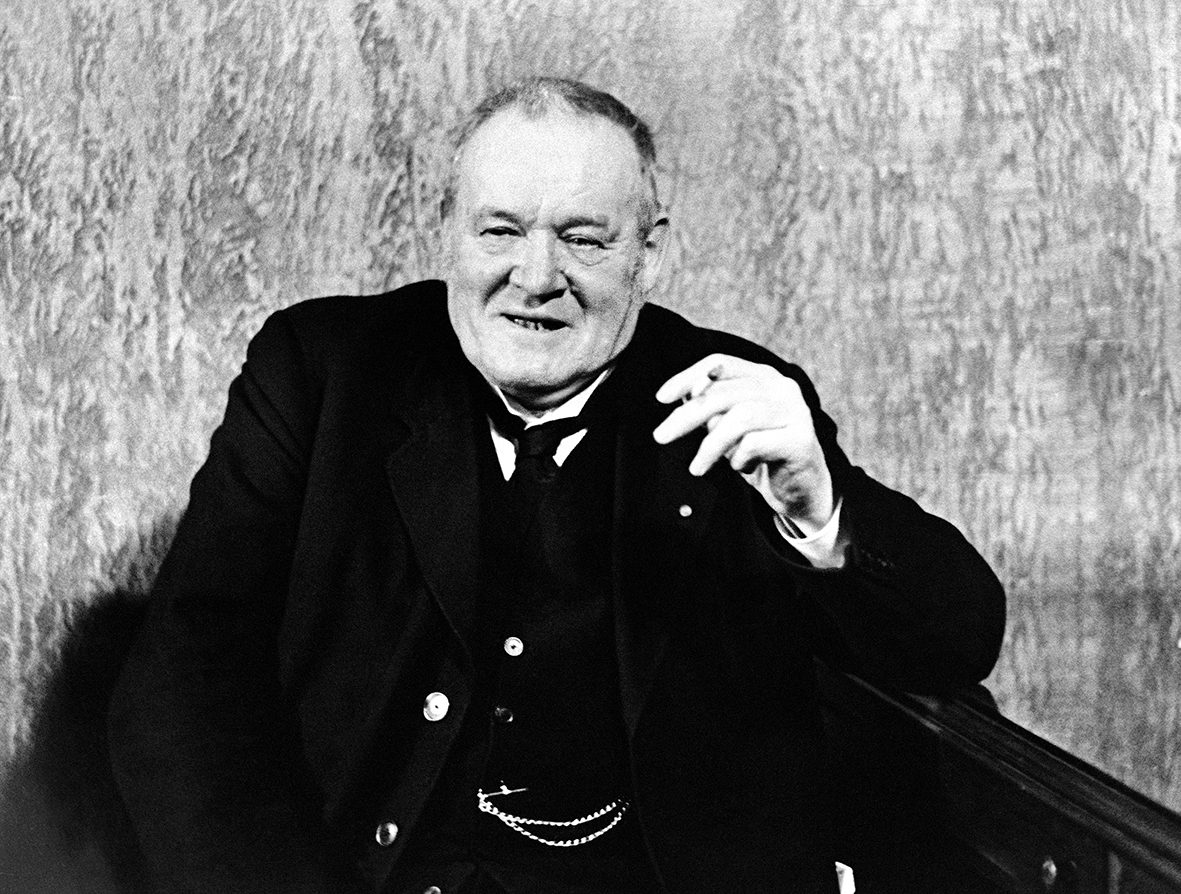
Poor Christians What is good for the world’s poor may be bad for Christianity, according to a Christmas Day blog on the Economist website. In Europe “priests and ministers are preaching to ever-emptier pews”. Reasons include the greater number of non-Christians through immigration, creeping secularism “and a trend among the young to favour individual ‘spirituality’ over organised religion”, the article says. Economics also plays an important role. “The more affluent a country is, the less frequently its citizens attend church, and Western Europe is uniformly rich.” By contrast, sub-Saharan Africans “are embracing the Gospel with the literal zeal of the converted”. It concludes: “If economic development and a more equal distribution of income decrease church attendance, then what is good for the world’s poor may be bad for Christianity – Pope Francis might want to be careful what he wishes for.” Concussed footballer A Nigerian-American doctor’s Catholic faith gave him the courage to confront the National Football League (NFL) over concussions, wrote Adelle M Banks in the Washington Post. Forensic pathologist Dr Bennet Omalu challenged the NFL over the destructive nature of concussions after performing an autopsy on a famous player who ended up homeless from the condition Dr Omalu dubbed “chronic traumatic encephalopathy”. “What is there to be afraid of?” Dr Omalu asked in an interview. “If I profess to be a Christian seeking the truth, why would I stop?” He continued: “Faith and science go together. They are not antagonistic to each other. There is the humanity of science. Science seeks the truth. Faith seeks the truth. So there is a commonality between science and faith.” The beauty of Belloc At RealClearReligion. org Russell Shaw wrote about why Hilaire Belloc still matters today, more than 60 years after his death. Belloc wrote social criticism, history and biography “of a polemical nature, vigorous and clear but scarcely unbiased”. Shaw continued: “But the language – ah, the language. Here was Belloc’s great gift. From beginning to end his writing was a model of simple, elegant English prose." And “for people with an appreciation of Europe’s Christian roots, he matters”. Shaw said that Belloc’s “unquestioned masterpiece remains The Path to Rome, a rambling account of a journey – a pilgrimage, really – that he made, largely on foot, in 1901 through the heart of the Old Continent to the Eternal City. “What is the book about? The answer, you might say, is whatever pops into the writer’s head. But on a deeper level its subject is no less than the Christian soul of Europe.”