

✣ Highlights from the week online
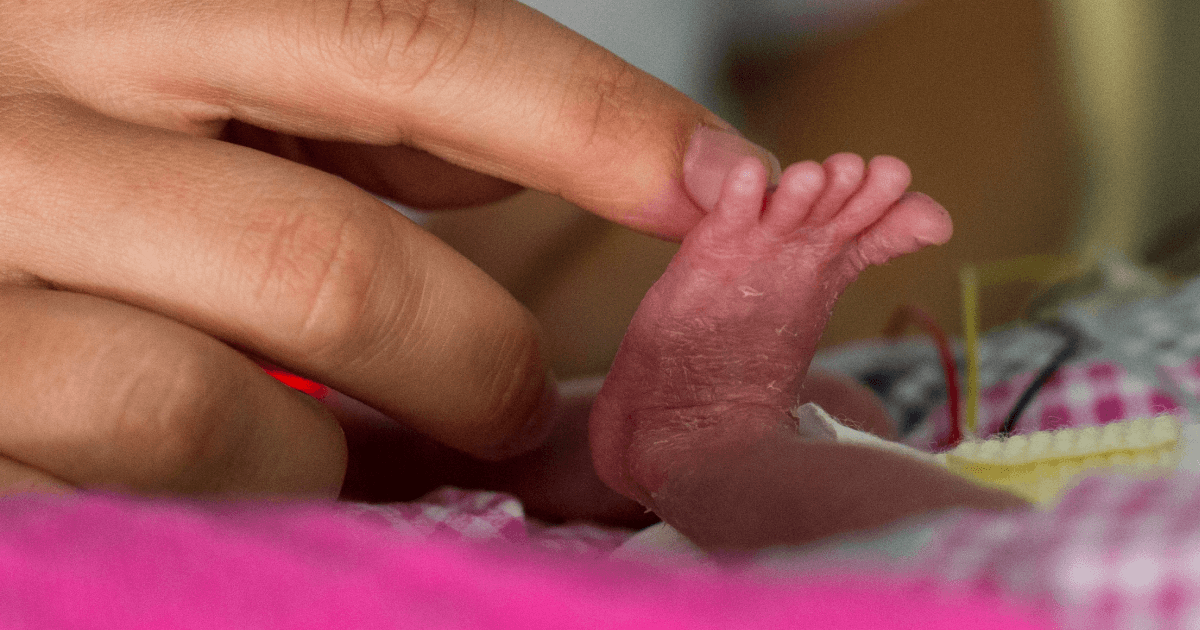
How a phone call from the Pope saved a baby A woman has described how she decided to keep her baby after a phone call from Pope Francis. She told her story to Credere, an Italian Catholic publication. It was then picked up by aleteia.org. Anna, as the woman was called, had become pregnant after an affair with a married man. He put pressure on her to have an abortion. Before going through with it, she wrote a letter to the Pope. Then an unknown number popped up on her mobile screen. Francis told her that a child was a gift of God. “His words filled my heart with joy,” Anna said. “He told me that I had been very courageous and strong for my baby.” She said he added that he was convinced she would not have a problem finding a spiritual father. “And anyway,” he said, according to Anna, “if that’s not the case, know that I am always here.” Enough lies about Francis to fill a book La Stampa correspondent Andrea Tornielli reported on a new book, Fake Pope, by Nello Scavo and Roberto Beretta, which documents lies and myths about Pope Francis. Fake images were particularly revealing, said Tornielli. He cited a widely circulated image of Pope Francis stepping onto the balcony after his election in which his shadow is Photoshopped to include small horns on either side of his head. Another popular image showed the Pope greeting an elderly Jewish man with the caption: “The Pope kisses the hand in a humiliating way of one of the leaders of the Masonic-Judaic terror.” In fact the man was a Holocaust survivor whom the Pope met at Yad Vashem in 2014. Too many conversions – so it had to shut down Brantly Millegan recalled a university course that was shut down because too many of the students were converting to Catholicism. The Integrated Humanities Program was run by three professors – Dr Dennis Quinn, Dr John Senior, and Dr Frank Nelick – at the University of Kansas in the 1970s. It focused on the “great books” – the great works of the Western tradition, starting with ancient Greece. Millegan quoted a former student, Dana Lorelle, who said: “Students weren’t allowed to take notes, although the professors didn’t mind if they knitted. They taught students the state song of Kansas, took them star-gazing, spoke Latin out loud …” The course started off with 20 students in 1970 – within two years it had 186. “But then the conversions started happening,” wrote Millegan.“By one estimate, over the 10-year course of the programme, more than 100 students decided to join the Catholic Church.” Among these was Paul Coakley, the future Archbishop of Oklahoma City. The university opened an investigation to see if the professors were illegally proselytising their students. It found no evidence of this – but the university, under pressure over the perceived “didacticism” of the course, ended it anyway. “If three professors at a state school were able to do this,” Millegan asked, “then what are we doing at our Catholic universities?”