February 12, 2026

The best of the web: Ambiguity, Mr Catholic Boston and restoration

Staff writers
More
Related
Min read
share

‘Eloquent ambiguity’ in the Catechism

At Crisis, Fr George Rutler remarked on the US bishops’ recent plenary meeting. The bishops discussed the Pope’s recent change to the Catechism – and proposed including it in the US version of the Catechism.

Under Pope John Paul II, the Catechism discouraged capital punishment, but it added that “the traditional teaching of the Church does not exclude recourse to the death penalty”. The new Catechism instead describes the death penalty as “inadmissible”.

If this means that the death penalty is “absolutely immoral”, Fr Rutler remarked, then it appears to contradict Church teaching. But is that what “inadmissible” means?

When this question was raised at the meeting, the bishop selected to present the text said that Pope Francis was aiming for “eloquent ambiguity”. But, Fr Rutler asked, “if the word ‘inadmissible’ is deliberately ambiguous, why does it belong in a catechism whose purpose is to eschew ambiguity?”

Years from now, he concluded, “whether the Church will have risen from its present slough of despondency to a shining new eminence, or lie battered in a heap of broken basilicas and quivering banalities, the wonderful question will be: ‘How was it that, at a meeting in 2019, almost all of the American bishops voted for something without knowing what it means?’”

Generous, strait-laced and a lover of life


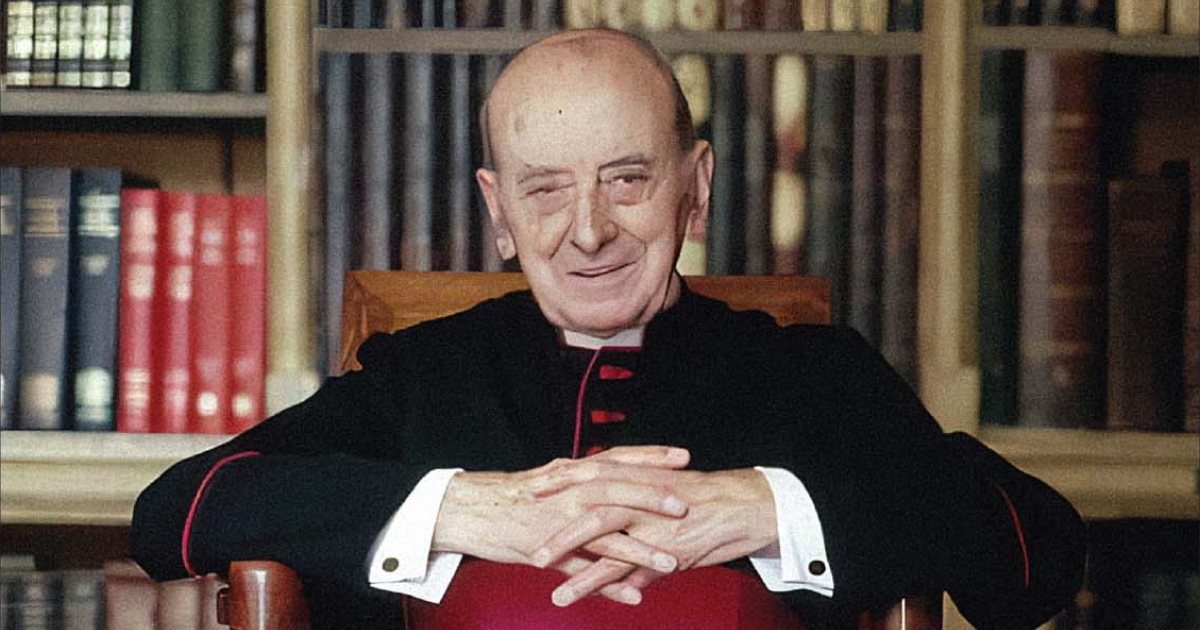
At Catholic Culture, Phil Lawler paid tribute to “Mr Catholic Boston”, Phil Crotty, who died last month. Crotty once told an interviewer that he resolved early in life to “put the teachings, the discipline, and the needs of the Catholic Church ahead of his own interests”. He also pledged that he would “never conform at all” to secular hedonism.

Strait-laced? Yes, partly. “But by every available indication he enjoyed life tremendously. He had an unusually wide group of friends, drawn from all walks of life, spanning at least three generations.”

As a bachelor with a successful career, he was able to give generously for his favourite causes. “In retirement, he spent countless hours as a volunteer and mentor. He taught Latin at St John’s Seminary for several years, accepting no payment.” A young man once told Crotty that he would enter seminary if only his debts were paid off. “Consider it done,” Crotty told him.

Architectural beauty can be restored


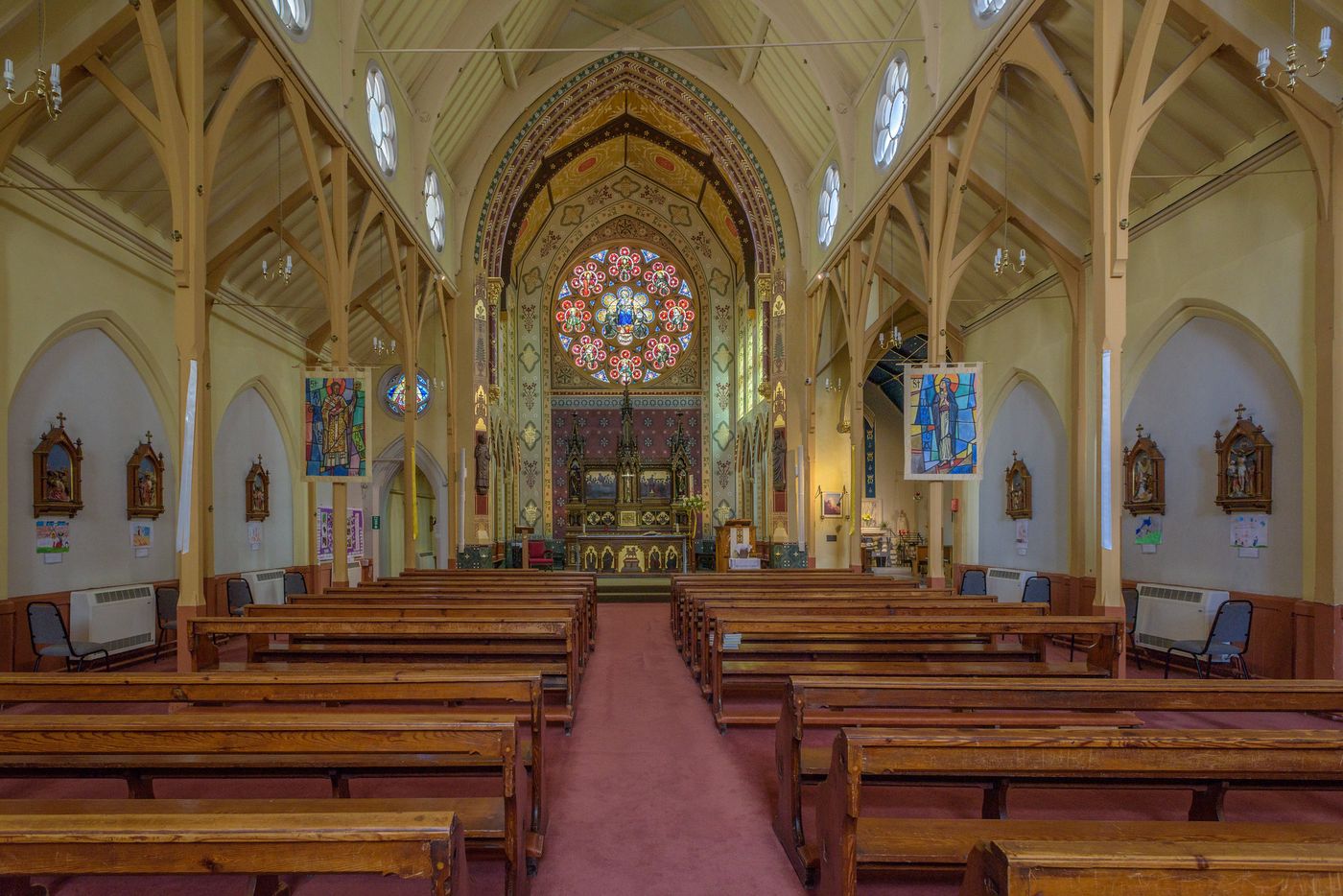
At Liturgical Arts Journal, Shawn Tribe praised the restoration of St Monica’s, Hoxton, London, designed by Edward Welby Pugin – son of the more famous architect. “The church was originally decorated in a manner that was consonant with his father’s own Gothic revival work; namely, bold and bright colours and patterns, with decorative motifs and symbols,” Tribe wrote. Unfortunately, sometime around 1960, these were short-sightedly painted over” – even the woodwork on the ceiling. But now the glorious original has returned.

“Projects such as these,” Tribe wrote, “are a good reminder that no matter how much has been lost, restoration should never be discounted out of hand.”


‘Eloquent ambiguity’ in the Catechism

At Crisis, Fr George Rutler remarked on the US bishops’ recent plenary meeting. The bishops discussed the Pope’s recent change to the Catechism – and proposed including it in the US version of the Catechism.

Under Pope John Paul II, the Catechism discouraged capital punishment, but it added that “the traditional teaching of the Church does not exclude recourse to the death penalty”. The new Catechism instead describes the death penalty as “inadmissible”.

If this means that the death penalty is “absolutely immoral”, Fr Rutler remarked, then it appears to contradict Church teaching. But is that what “inadmissible” means?

When this question was raised at the meeting, the bishop selected to present the text said that Pope Francis was aiming for “eloquent ambiguity”. But, Fr Rutler asked, “if the word ‘inadmissible’ is deliberately ambiguous, why does it belong in a catechism whose purpose is to eschew ambiguity?”

Years from now, he concluded, “whether the Church will have risen from its present slough of despondency to a shining new eminence, or lie battered in a heap of broken basilicas and quivering banalities, the wonderful question will be: ‘How was it that, at a meeting in 2019, almost all of the American bishops voted for something without knowing what it means?’”

Generous, strait-laced and a lover of life


At Catholic Culture, Phil Lawler paid tribute to “Mr Catholic Boston”, Phil Crotty, who died last month. Crotty once told an interviewer that he resolved early in life to “put the teachings, the discipline, and the needs of the Catholic Church ahead of his own interests”. He also pledged that he would “never conform at all” to secular hedonism.

Strait-laced? Yes, partly. “But by every available indication he enjoyed life tremendously. He had an unusually wide group of friends, drawn from all walks of life, spanning at least three generations.”

As a bachelor with a successful career, he was able to give generously for his favourite causes. “In retirement, he spent countless hours as a volunteer and mentor. He taught Latin at St John’s Seminary for several years, accepting no payment.” A young man once told Crotty that he would enter seminary if only his debts were paid off. “Consider it done,” Crotty told him.

Architectural beauty can be restored


At Liturgical Arts Journal, Shawn Tribe praised the restoration of St Monica’s, Hoxton, London, designed by Edward Welby Pugin – son of the more famous architect. “The church was originally decorated in a manner that was consonant with his father’s own Gothic revival work; namely, bold and bright colours and patterns, with decorative motifs and symbols,” Tribe wrote. Unfortunately, sometime around 1960, these were short-sightedly painted over” – even the woodwork on the ceiling. But now the glorious original has returned.

“Projects such as these,” Tribe wrote, “are a good reminder that no matter how much has been lost, restoration should never be discounted out of hand.”

subscribe to
the catholic herald

Continue reading your article with a subscription.
Read 5 articles with our free plan.
Subscribe

subscribe to the catholic herald today

Our best content is exclusively available to our subscribers. Subscribe today and gain instant access to expert analysis, in-depth articles, and thought-provoking insights—anytime, anywhere. Don’t miss out on the conversations that matter most.
Subscribe