
February 12, 2026

The best of the web: Fall of communism, individualism, an answered prayer

Staff writers
More
Related
Min read
share

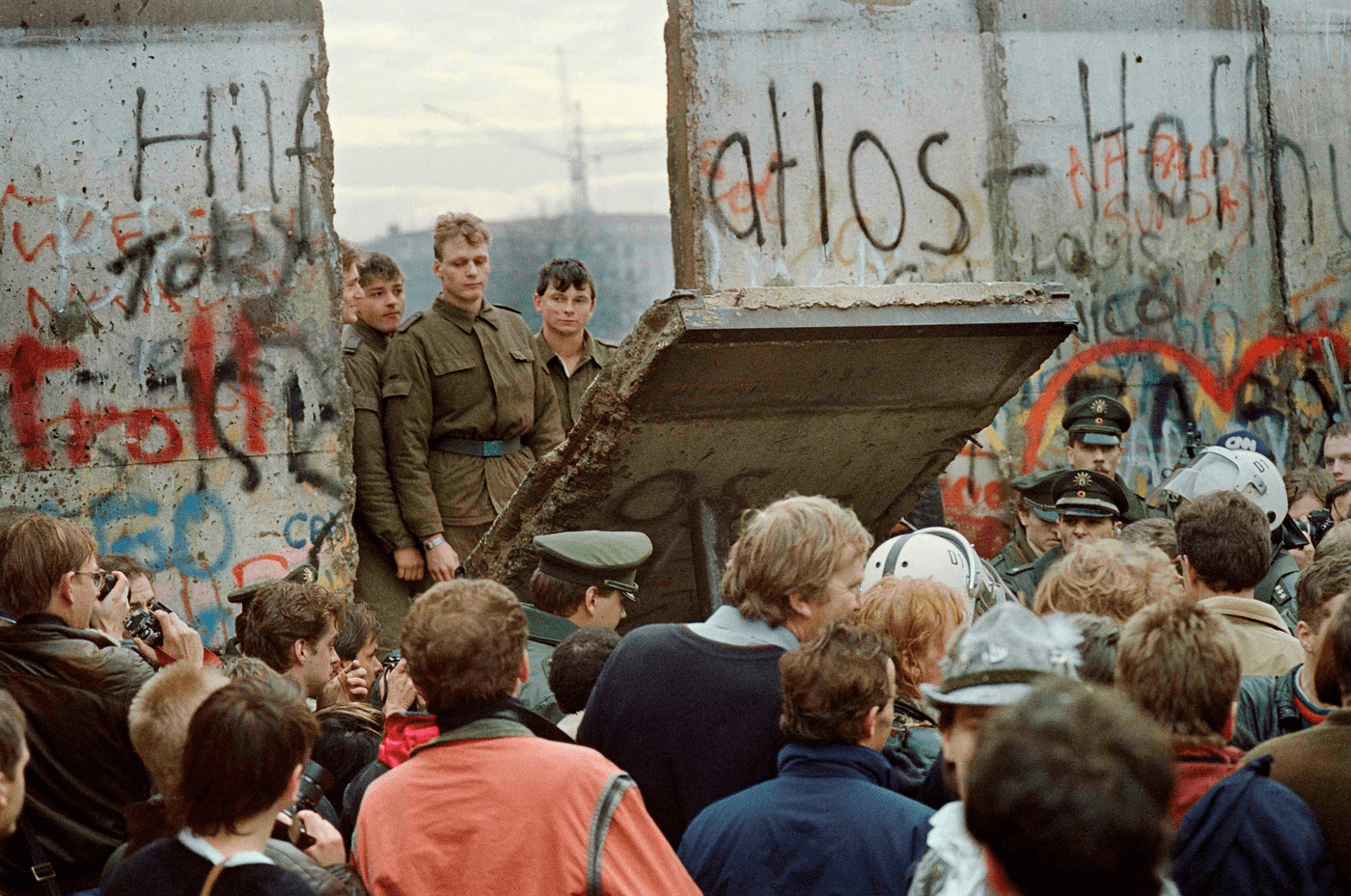
The vital role churches played in 1989

In the Church Times, Anglican clergyman Alexander Faludy said the contribution of churches to the events of 1989 is often overlooked.

In East Germany, for instance, political dissatisfaction was channelled by the Protestant Nikolaikirche in Leipzig, which held “Prayers for Peace” on Monday evenings. These prayers implicitly challenged the state’s widespread ‘‘peace pro­paganda” and the activities of its tame clergy, ‘‘the peace priests’’.

“The church slowly became a dis­creet gathering place for people, many of them non-religious and disaffected with the regime” – and it was in September 1989 that a gathering spilled over into the adjoining Karl Marx Platz, where eventually 320,000 joined the demonstration. “It was on the streets of Leipzig that the chant Wir sind das Volk began.”
The spiritual character of the protests flummoxed East Germany’s leaders, Faludy wrote. As Horst Sindermann, president of the People’s Chamber, later wrote: “We had planned for everything … but not for candles and prayers.”

In Poland, the Solidarity movement was the most serious opposition force. From its founding in 1980, it “enjoyed strong sup­port” from the Catholic hierarchy and, later, the Polish pope: “The meeting at which it morphed from trade union to political party oc­curred in the Church of the Divine Mercy, War­saw, on 18 December 1988.”

In Romania, meanwhile, it was the government’s attempted eviction of “the Hungarian Re­formed pastor László Tokés” which led to peaceful protests and then an uprising.

How Catholicism made nonconformists


“People in the West are psychologically unlike the rest of the world,” said Stephanie Pappas at Live Science. “Global studies find that Western Europeans and their descendants tend to be more individualistic, less conformist and more trusting of strangers.

The reason? “New research posits that the medieval Catholic Church, and its emphasis on monogamous marriage and the small family unit as the foundation of society, is responsible.”

According to a paper published in the journal Science, the Church’s ban on such practices as cousin marriages, polygamy and concubinage helped to break up tribal structures. In the long term, the societies most influenced by Catholicism are most likely to show a high degree of individualism and nonconformism.

An author’s prayer is answered … eventually


In 2011, the cartoonist and author Simone Lia published Please God, Find Me a Husband! “I felt sure God would give me a happy ending and I’d definitely get a husband,” Lia told the Observer’s Kate Kellaway. “But it doesn’t really work like that.”

Four years after the book was published (and eight years after it was finished), an older Australian artist came with her son Tim to visit Lia.

A friend had told Lia it was pointless to wait for a man to come knocking at her door. “But Tim literally did knock on my door.” They married two years later and now have a daughter.

“I now think God meant me to wait,” Lia says, “in order to appreciate what happened next.”

The vital role churches played in 1989

In the Church Times, Anglican clergyman Alexander Faludy said the contribution of churches to the events of 1989 is often overlooked.

In East Germany, for instance, political dissatisfaction was channelled by the Protestant Nikolaikirche in Leipzig, which held “Prayers for Peace” on Monday evenings. These prayers implicitly challenged the state’s widespread ‘‘peace pro­paganda” and the activities of its tame clergy, ‘‘the peace priests’’.

“The church slowly became a dis­creet gathering place for people, many of them non-religious and disaffected with the regime” – and it was in September 1989 that a gathering spilled over into the adjoining Karl Marx Platz, where eventually 320,000 joined the demonstration. “It was on the streets of Leipzig that the chant Wir sind das Volk began.”
The spiritual character of the protests flummoxed East Germany’s leaders, Faludy wrote. As Horst Sindermann, president of the People’s Chamber, later wrote: “We had planned for everything … but not for candles and prayers.”

In Poland, the Solidarity movement was the most serious opposition force. From its founding in 1980, it “enjoyed strong sup­port” from the Catholic hierarchy and, later, the Polish pope: “The meeting at which it morphed from trade union to political party oc­curred in the Church of the Divine Mercy, War­saw, on 18 December 1988.”

In Romania, meanwhile, it was the government’s attempted eviction of “the Hungarian Re­formed pastor László Tokés” which led to peaceful protests and then an uprising.

How Catholicism made nonconformists


“People in the West are psychologically unlike the rest of the world,” said Stephanie Pappas at Live Science. “Global studies find that Western Europeans and their descendants tend to be more individualistic, less conformist and more trusting of strangers.

The reason? “New research posits that the medieval Catholic Church, and its emphasis on monogamous marriage and the small family unit as the foundation of society, is responsible.”

According to a paper published in the journal Science, the Church’s ban on such practices as cousin marriages, polygamy and concubinage helped to break up tribal structures. In the long term, the societies most influenced by Catholicism are most likely to show a high degree of individualism and nonconformism.

An author’s prayer is answered … eventually


In 2011, the cartoonist and author Simone Lia published Please God, Find Me a Husband! “I felt sure God would give me a happy ending and I’d definitely get a husband,” Lia told the Observer’s Kate Kellaway. “But it doesn’t really work like that.”

Four years after the book was published (and eight years after it was finished), an older Australian artist came with her son Tim to visit Lia.

A friend had told Lia it was pointless to wait for a man to come knocking at her door. “But Tim literally did knock on my door.” They married two years later and now have a daughter.

“I now think God meant me to wait,” Lia says, “in order to appreciate what happened next.”

subscribe to
the catholic herald

Continue reading your article with a subscription.
Read 5 articles with our free plan.
Subscribe

subscribe to the catholic herald today

Our best content is exclusively available to our subscribers. Subscribe today and gain instant access to expert analysis, in-depth articles, and thought-provoking insights—anytime, anywhere. Don’t miss out on the conversations that matter most.
Subscribe