



✣ Alfie Evans dies after legal battle
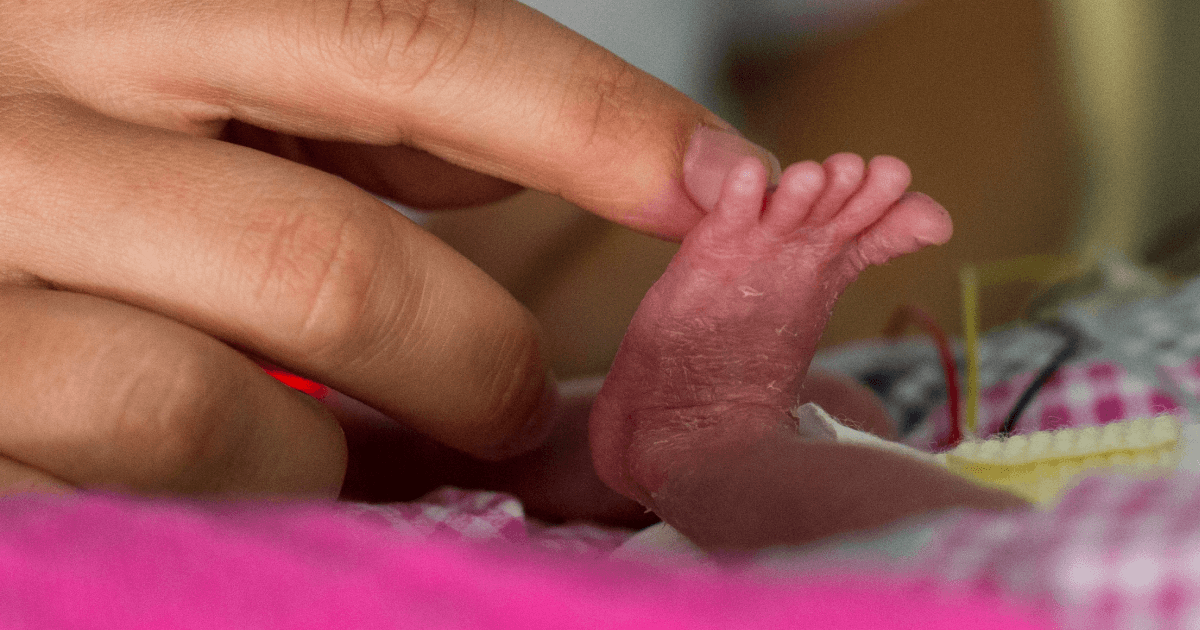
What happened? Alfie Evans, the seriously ill toddler whose plight moved thousands across the world, died on Saturday. Tom Evans, Alfie’s father, said: “My gladiator lay down his shield and gained his wings.” Liverpool’s Alder Hey hospital switched off his life support after doctors said it was in his best interests – a decision opposed by Alfie’s parents. Bambino Gesù hospital in Rome offered care, but the courts barred Alfie’s parents from taking him abroad. What the American media are saying “The doctors and judges had plausible medical arguments” for discontinuing treatment, wrote Ross Douthat in the New York Times. But “that judgment was deployed for wicked ends, stripping parents who were not unfit of their ability to act as parents.” The elderly, too, are often separated from their families and brought under the care of state-appointed guardians. It’s vital that we reassert the rights of the family, Douthat wrote. Yes, there are risks – but they are “risks a humane society has to take, so that in our weakest moments we can hope to be surrounded not just by knowledge or power, but by love”. The bioethicist Charlie Camosy tweeted: “There's nothing more beautiful and pure than a bureaucrat’s love for a child not their own, whose grave they will never visit.” What the British media said In the Economist, “Erasmus” regretted Pope Francis’s “ill-advised” intervention: the Pope tweeted his hope “that the suffering of his parents may be heard and their desire to seek new forms of treatment may be granted.” No other treatment was available. “Agonisingly hard moral dilemmas can arise over terminal illness, and it is not surprising that doctors and families sometimes pull in different directions,” the columnist added. But Alfie’s parents “appear to have been given misleading advice”. At spectator.co.uk, Fraser Nelson said that an agonising situation “was made worse by bad law”, and that it might now be necessary to give parents more legal rights. Parliament should discuss “whether the law needs to be updated for these rare, tragic cases”.