February 12, 2026

The challenge of an extraordinary genius

Jack Carrigan
More
No items found.
Related
Min read
share

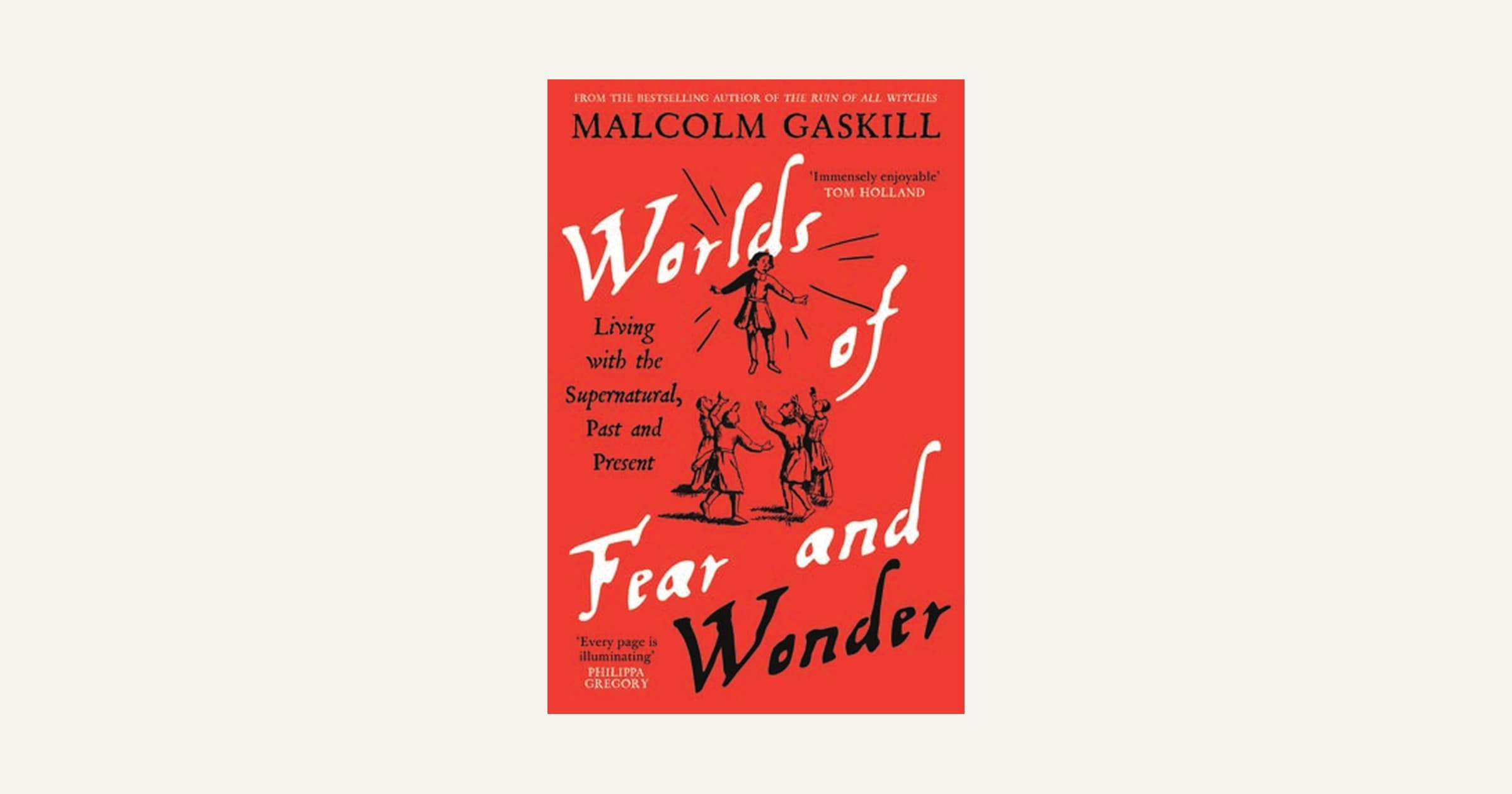
Being Wagner: the Triumph of the Will
by Simon Callow, William Collins, £14.99

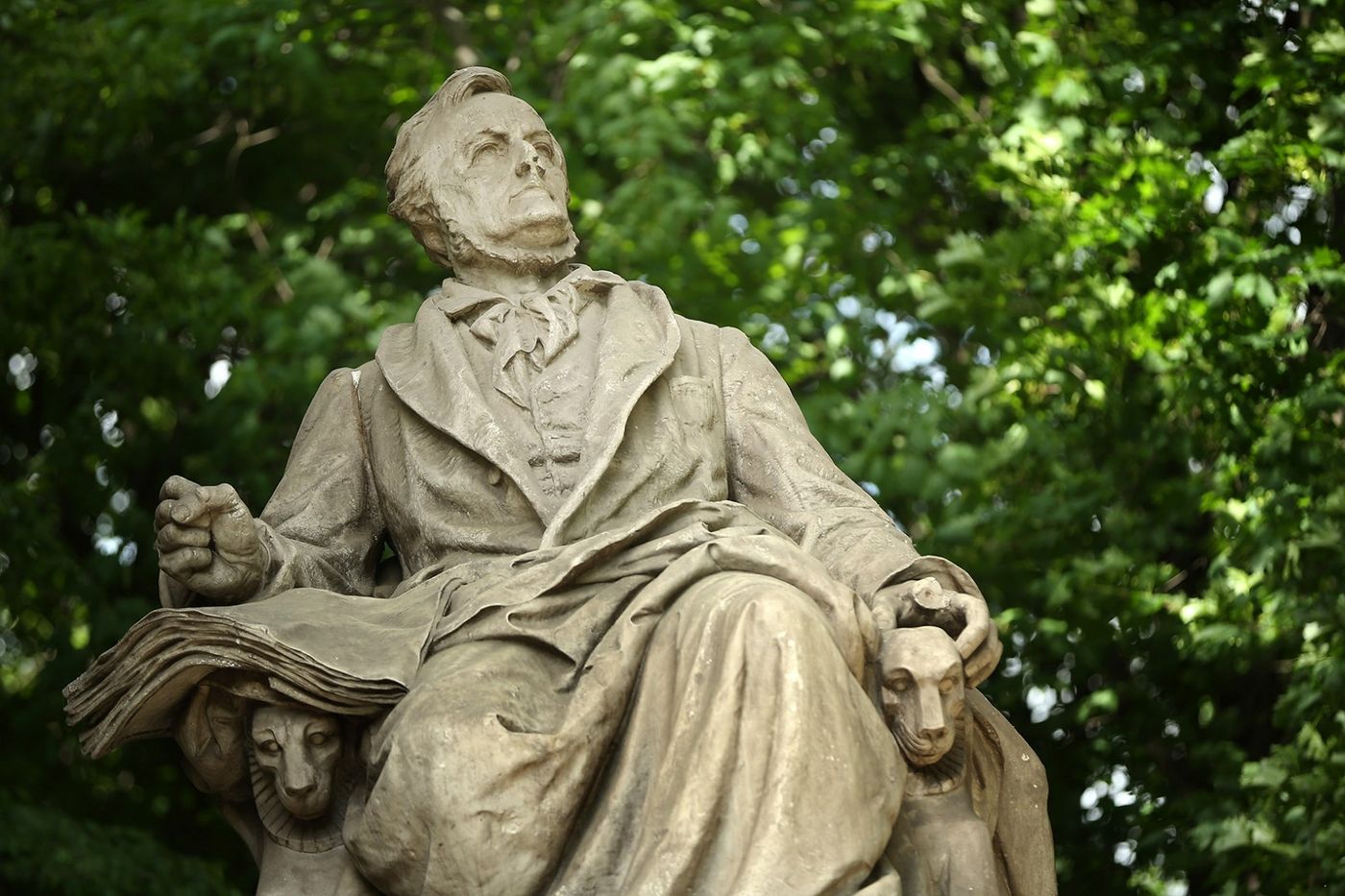
For those who haven’t experienced Richard Wagner’s musical dramas or know about the composer’s life, this book offers a brief, intoxicating introduction. Given that Wagner deliberately set out to capture his audience in an entirely different way from earlier composers – indeed, to transport them to another world which involved a total “sensual and emotional immersion” – intoxicating seems the appropriate word.

Simon Callow, a self-confessed Wagnerian since early adolescence, has done one-man shows about Oscar Wilde, Charles Dickens, William Shakespeare and Wagner. With the exception of Shakespeare, about whom we know little, Callow is clearly drawn to colourful characters of exceptional talent or self-proclaimed genius.
Being Wagner shows the author at his most entertaining but also his most grandiloquent. For instance, referring to The Mastersingers, he writes: “Where was all that lurking inside the difficult, rebarbative, violently prejudiced, myth-forging, subconscious-probing, serially-betraying, Schopenhauer-gorging, Feuerbach-chomping pessimist with his tragic view of life?” One senses that in order not to be overwhelmed by his subject, Callow has to make him safe by mocking him.

That said, Wagner remains an absorbing topic. As Callow comments, “If by any chance he did not find himself the centre of attention, he took swift remedial action”, once letting out an unearthly scream in company when he felt ignored. “I am energy personified,” he remarked on one occasion. On another, he wrote, more significantly, that “Every man has his daemon and mine is a frightful monster … When he is hovering about me a catastrophe is in the air.”

Not everyone has a “daemon”, yet Wagner’s genius cannot be denied. Indeed, he tends to make all others who have a legitimate claim to the word, including Dickens, look tame and bourgeois by comparison.

His oddity was apparent even in childhood, when he was overcome while listening to Weber’s Der Freischütz. Later, aged 17, transfixed by Beethoven’s Ninth Symphony, he showed his indebtedness by having it ritually played at the start of the Bayreuth Festival. Poking fun at his hero, Callow states, “Fortunately a state of absolute ecstasy came very naturally to him.”

Where the author betrays a certain melodramatic modernity is in remarks such as “He was Rimbaud, he was Kurt Cobain, he was James Dean.” In fact, Wagner was the opposite: they all died young, while he, born in 1813, did not die until 1883, appropriately enough in Venice. Such longevity, given the toll his energetic life must have taken on him, is extraordinary in itself.

Again, Callow informs us that Wagner “was a Jungian before Jung”. This is reductive of so protean and complex a composer. He might just as incorrectly have stated that Wagner was a Freudian before Freud.

But my chief criticism is that Callow does not take the composer seriously enough, especially when discussing Parsifal, Wagner’s final, astounding achievement. He carelessly employs the word “redemption” without understanding that Wagner was not merely playing with Christian mythology in the Grail legend for aesthetic effect. As Lucy Beckett argues in her fine study of Parsifal, Wagner hoped, as he wrote to King Ludwig in 1873, to show “the truth of the Christian faith; indeed, even to rekindle this faith.”

Significantly, Callow, intent on his own depiction of a great magus, doesn’t quote this, or indeed Wagner’s last words on Parsifal in 1882: “To him who is picked out by fate, there appears the true picture of the world, as a premonition from his innermost soul foretelling redemption.”

Being Wagner: the Triumph of the Will
by Simon Callow, William Collins, £14.99

For those who haven’t experienced Richard Wagner’s musical dramas or know about the composer’s life, this book offers a brief, intoxicating introduction. Given that Wagner deliberately set out to capture his audience in an entirely different way from earlier composers – indeed, to transport them to another world which involved a total “sensual and emotional immersion” – intoxicating seems the appropriate word.

Simon Callow, a self-confessed Wagnerian since early adolescence, has done one-man shows about Oscar Wilde, Charles Dickens, William Shakespeare and Wagner. With the exception of Shakespeare, about whom we know little, Callow is clearly drawn to colourful characters of exceptional talent or self-proclaimed genius.
Being Wagner shows the author at his most entertaining but also his most grandiloquent. For instance, referring to The Mastersingers, he writes: “Where was all that lurking inside the difficult, rebarbative, violently prejudiced, myth-forging, subconscious-probing, serially-betraying, Schopenhauer-gorging, Feuerbach-chomping pessimist with his tragic view of life?” One senses that in order not to be overwhelmed by his subject, Callow has to make him safe by mocking him.

That said, Wagner remains an absorbing topic. As Callow comments, “If by any chance he did not find himself the centre of attention, he took swift remedial action”, once letting out an unearthly scream in company when he felt ignored. “I am energy personified,” he remarked on one occasion. On another, he wrote, more significantly, that “Every man has his daemon and mine is a frightful monster … When he is hovering about me a catastrophe is in the air.”

Not everyone has a “daemon”, yet Wagner’s genius cannot be denied. Indeed, he tends to make all others who have a legitimate claim to the word, including Dickens, look tame and bourgeois by comparison.

His oddity was apparent even in childhood, when he was overcome while listening to Weber’s Der Freischütz. Later, aged 17, transfixed by Beethoven’s Ninth Symphony, he showed his indebtedness by having it ritually played at the start of the Bayreuth Festival. Poking fun at his hero, Callow states, “Fortunately a state of absolute ecstasy came very naturally to him.”

Where the author betrays a certain melodramatic modernity is in remarks such as “He was Rimbaud, he was Kurt Cobain, he was James Dean.” In fact, Wagner was the opposite: they all died young, while he, born in 1813, did not die until 1883, appropriately enough in Venice. Such longevity, given the toll his energetic life must have taken on him, is extraordinary in itself.

Again, Callow informs us that Wagner “was a Jungian before Jung”. This is reductive of so protean and complex a composer. He might just as incorrectly have stated that Wagner was a Freudian before Freud.

But my chief criticism is that Callow does not take the composer seriously enough, especially when discussing Parsifal, Wagner’s final, astounding achievement. He carelessly employs the word “redemption” without understanding that Wagner was not merely playing with Christian mythology in the Grail legend for aesthetic effect. As Lucy Beckett argues in her fine study of Parsifal, Wagner hoped, as he wrote to King Ludwig in 1873, to show “the truth of the Christian faith; indeed, even to rekindle this faith.”

Significantly, Callow, intent on his own depiction of a great magus, doesn’t quote this, or indeed Wagner’s last words on Parsifal in 1882: “To him who is picked out by fate, there appears the true picture of the world, as a premonition from his innermost soul foretelling redemption.”

subscribe to
the catholic herald

Continue reading your article with a subscription.
Read 5 articles with our free plan.
Subscribe

subscribe to the catholic herald today

Our best content is exclusively available to our subscribers. Subscribe today and gain instant access to expert analysis, in-depth articles, and thought-provoking insights—anytime, anywhere. Don’t miss out on the conversations that matter most.
Subscribe