


February 12, 2026

The changing world of Catholic charities

Chris Bain
More
Related
Min read
share

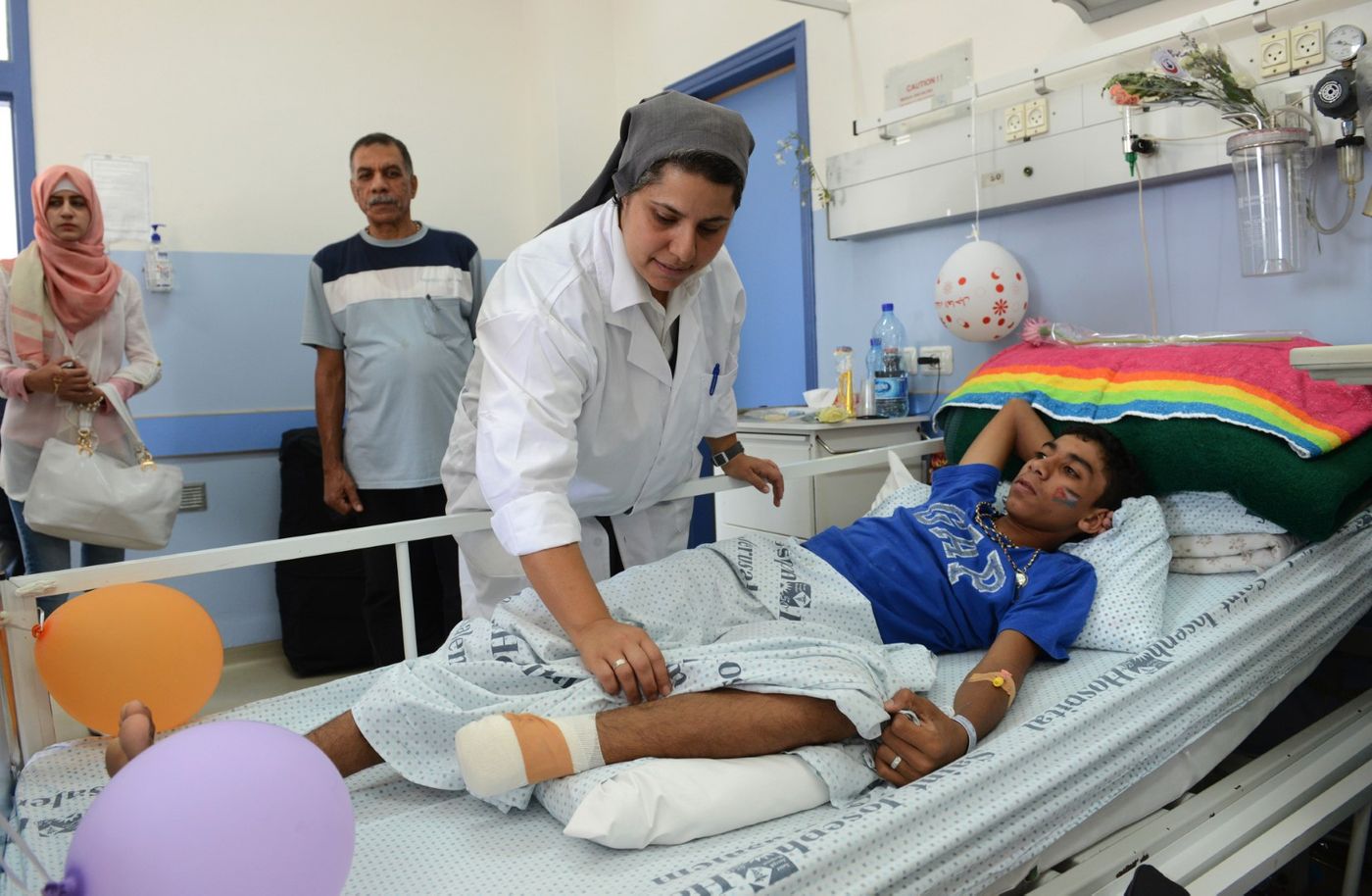
First, the good news. The past 50 years has seen millions of people brought out of poverty, thanks largely to health and nutrition improvements. Yet few are predicting anything but unsettled times ahead. Nearly a billion people still live in absolute poverty and will be most affected by climate change and conflict. More than half the world’s population now live in cities seeking decent work. Humanitarian crises will become more protracted. Migration will become the defining issue of our time.

As we have done for the past 50 years, Catholic charities will rise to these challenges. We will do this in a political environment that pitches globalisation against nationalism. Successive popes have addressed the shortcomings of globalisation by returning to the basics of Catholic teaching: putting people at the centre of economy and society, and urging us to rediscover the fundamental relationships we all need.
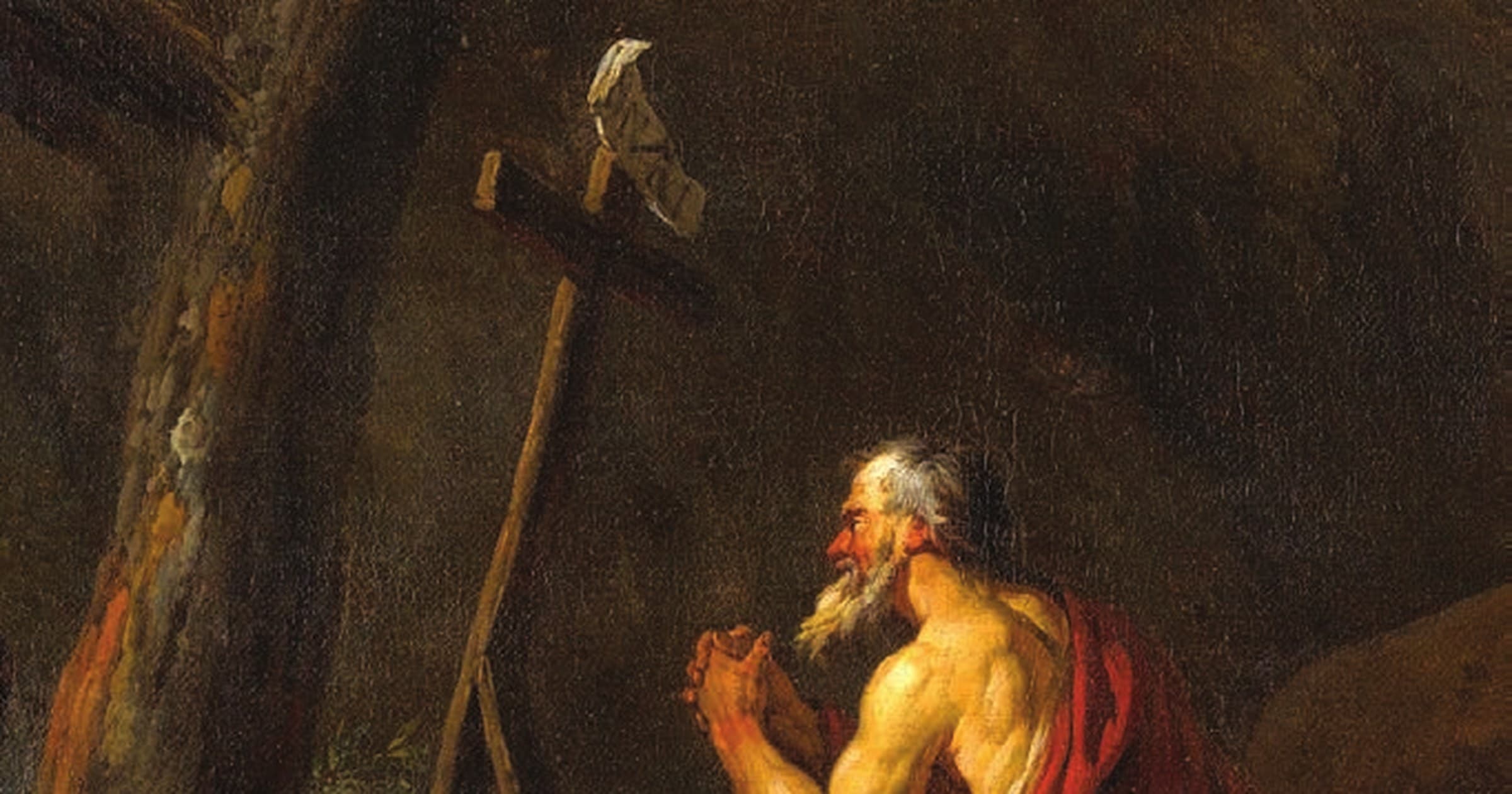

St John Paul II called for “globalised solidarity” to counter its emerging excesses. Pope Emeritus Benedict XVI said in Caritas in Veritate: “The social doctrine of the Church has unceasingly highlighted the importance of distributive justice and social justice for the market economy, not only because it belongs within a broader social and political context, but also because of the wider network of relations within which it operates … Without internal forms of solidarity and mutual trust, the market cannot completely fulfil its proper economic function.”

Catholic charities have to meet this challenge with a renewed sense of purpose and charism. Benedict XVI reinforced the charitable and justice work of the Church as an indispensable third pillar of mission alongside preaching the Gospel and celebrating the sacraments. Pope Francis has said that “whoever lives the mission of Caritas is not simply a charitable worker but a true witness of Christ”.

What will make Catholic charities distinctive in the next 50 years is our confidence in our identity, promoting the principles of Catholic social teaching.

Here in Britain, we are regularly presented with false choices and a suggestion we must choose – for example, between health and social care for our families or the aid budget that cares for those in need in developing countries. Yet for Catholics the question is how we create a fairer and more equitable society, both here and overseas, so that all people can flourish and contribute to the common good.

We may have to stand up to criticism from all political wings: Catholic social teaching does not fit easily into man-made political ideologies. Last week our sister agency in France, Secours Catholique, saw its plan to offer homeless migrants a shower fall foul of hardening attitudes towards migrants from local authorities.

Over the coming years Cafod’s geographical make-up will change, reflecting the power dynamics of the Church as a whole. A third of all Cafod staff are now nationals working within the countries they are from. They are the experts in their own development, and with the more confident voice of the Church in the global south, and the influence of the Catholic Church on the world stage increasing, one of Cafod’s main objectives will continue to be empowering our southern partners and putting their views and experiences at the forefront of our work.

Given the changes the world has seen over the past year, it can seem impossible to predict the next 50 years. What will not change is Cafod belonging to the Catholic community of England and Wales, and our belief in the dignity of every human person, from conception to natural death. Through the grace of God, the world can be a better place.

Chris Bain is the director of Cafod

First, the good news. The past 50 years has seen millions of people brought out of poverty, thanks largely to health and nutrition improvements. Yet few are predicting anything but unsettled times ahead. Nearly a billion people still live in absolute poverty and will be most affected by climate change and conflict. More than half the world’s population now live in cities seeking decent work. Humanitarian crises will become more protracted. Migration will become the defining issue of our time.

As we have done for the past 50 years, Catholic charities will rise to these challenges. We will do this in a political environment that pitches globalisation against nationalism. Successive popes have addressed the shortcomings of globalisation by returning to the basics of Catholic teaching: putting people at the centre of economy and society, and urging us to rediscover the fundamental relationships we all need.
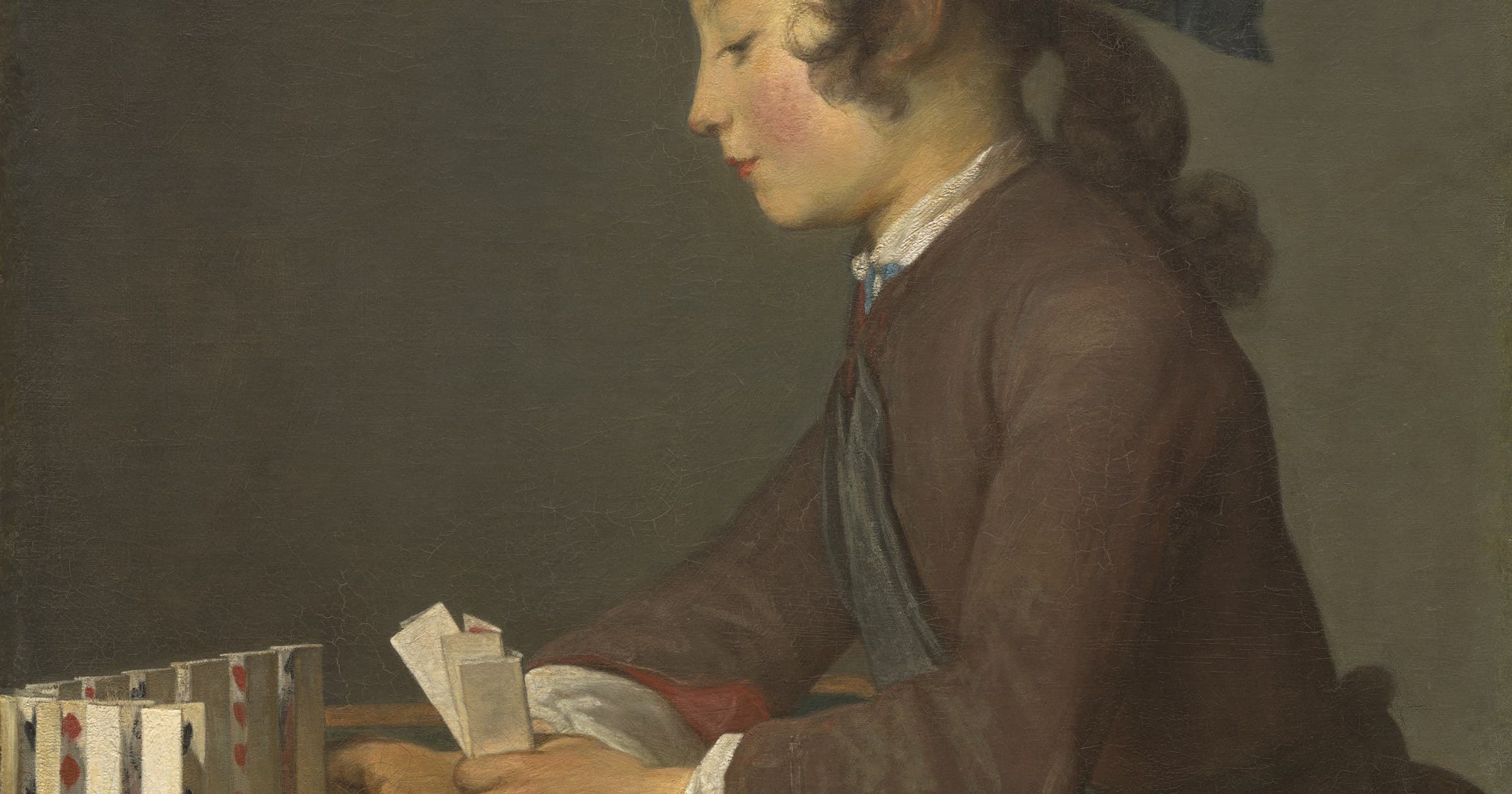
St John Paul II called for “globalised solidarity” to counter its emerging excesses. Pope Emeritus Benedict XVI said in Caritas in Veritate: “The social doctrine of the Church has unceasingly highlighted the importance of distributive justice and social justice for the market economy, not only because it belongs within a broader social and political context, but also because of the wider network of relations within which it operates … Without internal forms of solidarity and mutual trust, the market cannot completely fulfil its proper economic function.”

Catholic charities have to meet this challenge with a renewed sense of purpose and charism. Benedict XVI reinforced the charitable and justice work of the Church as an indispensable third pillar of mission alongside preaching the Gospel and celebrating the sacraments. Pope Francis has said that “whoever lives the mission of Caritas is not simply a charitable worker but a true witness of Christ”.

What will make Catholic charities distinctive in the next 50 years is our confidence in our identity, promoting the principles of Catholic social teaching.

Here in Britain, we are regularly presented with false choices and a suggestion we must choose – for example, between health and social care for our families or the aid budget that cares for those in need in developing countries. Yet for Catholics the question is how we create a fairer and more equitable society, both here and overseas, so that all people can flourish and contribute to the common good.

We may have to stand up to criticism from all political wings: Catholic social teaching does not fit easily into man-made political ideologies. Last week our sister agency in France, Secours Catholique, saw its plan to offer homeless migrants a shower fall foul of hardening attitudes towards migrants from local authorities.

Over the coming years Cafod’s geographical make-up will change, reflecting the power dynamics of the Church as a whole. A third of all Cafod staff are now nationals working within the countries they are from. They are the experts in their own development, and with the more confident voice of the Church in the global south, and the influence of the Catholic Church on the world stage increasing, one of Cafod’s main objectives will continue to be empowering our southern partners and putting their views and experiences at the forefront of our work.

Given the changes the world has seen over the past year, it can seem impossible to predict the next 50 years. What will not change is Cafod belonging to the Catholic community of England and Wales, and our belief in the dignity of every human person, from conception to natural death. Through the grace of God, the world can be a better place.

Chris Bain is the director of Cafod

subscribe to
the catholic herald

Continue reading your article with a subscription.
Read 5 articles with our free plan.
Subscribe

subscribe to the catholic herald today

Our best content is exclusively available to our subscribers. Subscribe today and gain instant access to expert analysis, in-depth articles, and thought-provoking insights—anytime, anywhere. Don’t miss out on the conversations that matter most.
Subscribe