

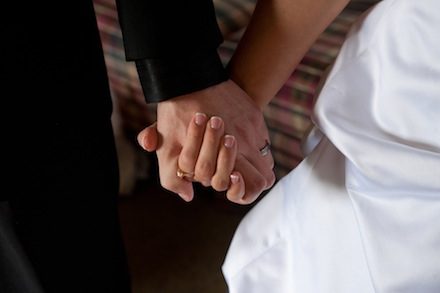
Fifty years ago, the Catholic Church would probably have warned me not to marry my wife. Lida is the youngest daughter of Iranian immigrants who left Iran after the Islamic revolution in 1979. She was not raised in any faith and – apart from a few Zoroastrian traditions carried on at home – had very little experience of religion while she was growing up. So in years gone by, I might have been told by a priest: “Be careful. You’d be better off marrying a good Catholic girl. Otherwise there could be problems further down the line…” I’m delighted to say that our experience in 2014 could not have been more different. From the moment Lida and I first approached the Church as a newly engaged couple, through to our wedding day on August 16, she felt its “warm embrace”. That’s the phrase I used in my groom’s speech, which raised a few chuckles, but it was right. Each priest we met welcomed her enthusiastically. There were three of them, since we live in the parish of St Anselm’s, Tooting, had the wedding in Wiltshire at Wardour Castle, and were married by a priest from the London Oratory – the brilliant Fr George Bowen, who prepared us as a couple. At no point was there frostiness from the Church because I was marrying an unbaptised non-Catholic. Instead, there was only understanding that we were truly committed and needed guidance and supervision. Of course, none of the doctrine was watered down to make it simpler – that would have been wrong. I had to promise that our children would be raised Catholic, and we were taught in some depth about the Church’s teaching on marriage and the serious commitment we were making. To my relief, this is what Lida enjoyed most of all – learning about my religion. We met at university, and after each session with Fr George it was as if we had gone back in time, and had just walked out of a particularly thought-provoking tutorial. I am hugely grateful that Lida’s first proper experiences of the Church were so positive. *** Our honeymoon was in Turkey, starting in Istanbul, which was a city that surprised me. I was expecting it to have a split personality: half Barcelona, half Delhi. But actually, it has a character that is uniquely and confidently its own – it straddles the divide between Europe and Asia and seems to say: “Yes, I am Istanbul and this is exactly where I belong.” That may have something to do with Mehmed the Conqueror, who besieged and captured what was then Constantinople in 1453. Although he allowed his men to plunder the city for three days, he was apparently distraught at the horrendous results. As a Greek eyewitness put it: “He was filled with compassion and repented not a little at the destruction and plundering. Tears fell from his eyes as he groaned deeply and passionately: ‘What a city we have given over to plunder and destruction!’” Perhaps this is why the conquerors, after all their murder and pillaging, allowed certain things to survive, like the beautiful Byzantine mosaics that decorate the Hagia Sophia, including one of the Virgin Mary and Christ Child over the apse. They were plastered over and made invisible for centuries after the building was converted into a mosque, but someone must have made the decision not to have them utterly destroyed. In the 20th century they were rediscovered (and Hagia Sophia is now a museum). These mosaics are what makes Istanbul so special – in parts, it is Constantinople brought back to life. Will Heaven is deputy comment editor at the Daily Telegraph This article first appeared in the Catholic Herald edition of September 5 2014. Try our Catholic Herald 6 issues for £6 special appetiser deal.
2:53 PM
The Church has offered my non-Catholic wife a wonderfully warm welcome
From the moment we approached the Church as a newly engaged couple Lida felt its warm embrace
Will Heaven

5 min read



Already a subscriber? Sign in
5freearticles every month
Continue reading with a free account. No card needed.
- Five free articles every thirty days, on any device you sign in on
- The Catholic Herald newsletter, every morning
- Subscribe whenever you like for everything: every article and the magazine
Related articles
 Newsroom
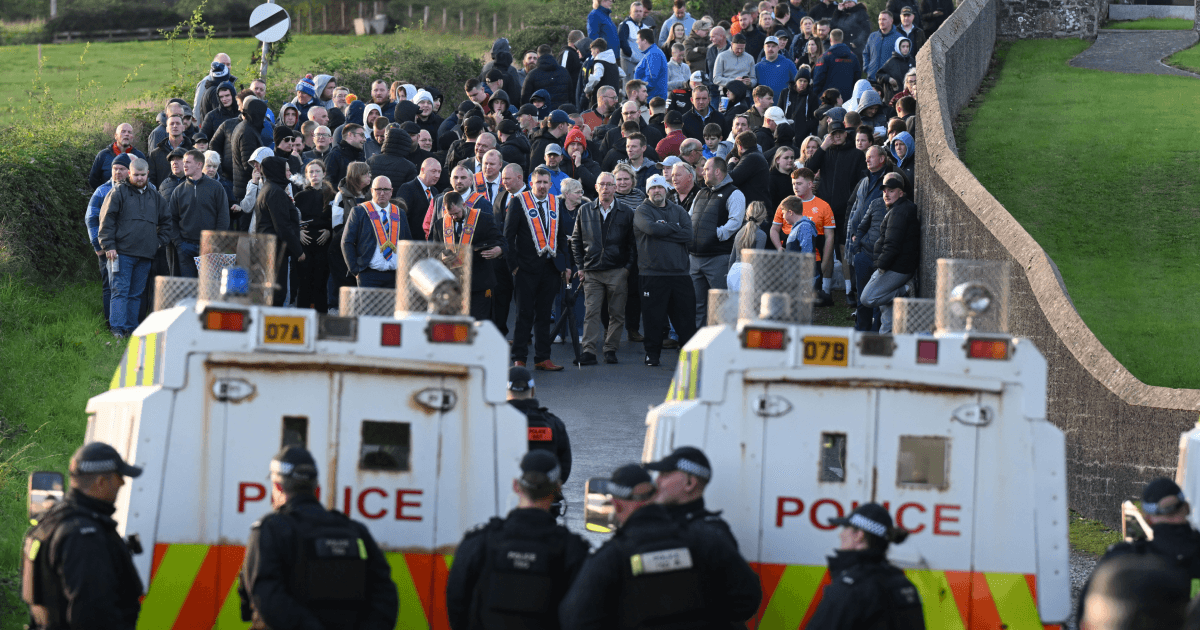
Church leaders urge Drumcree dialogue: ‘Too much is at stake’
The Catholic and Church of Ireland Archbishops of Armagh have urged a renewed commitment to peace and reconciliation amid the Drumcree stand-off
Corrie Douglas-Young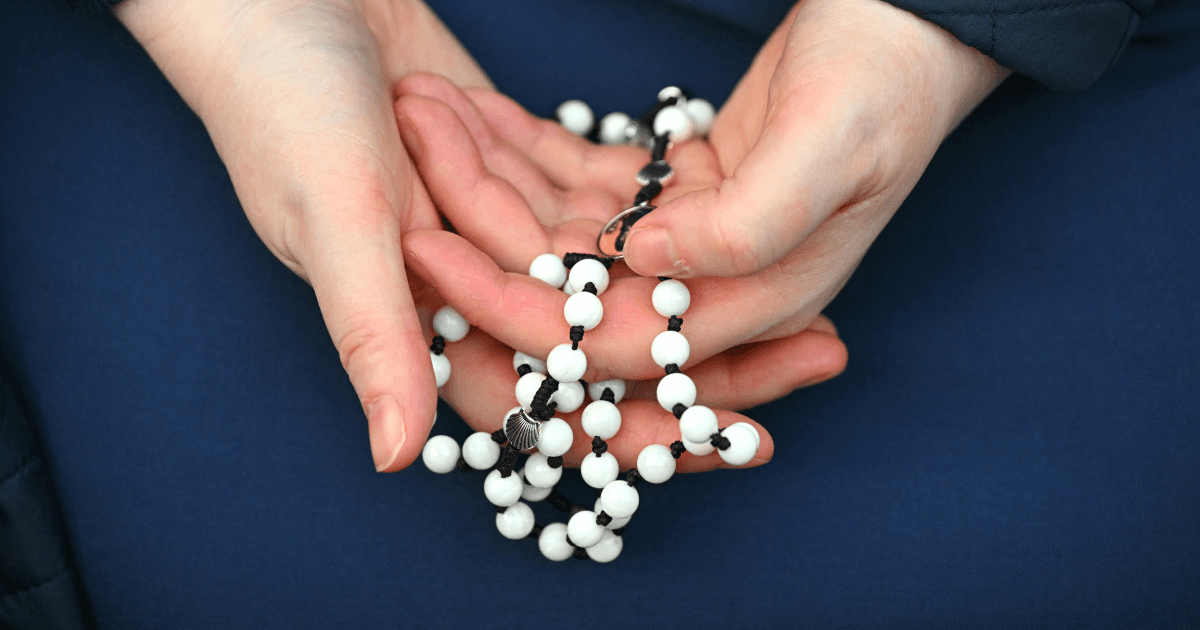 Newsroom
Thousands of Irish children to join global Rosary campaign
Corrie Douglas-Young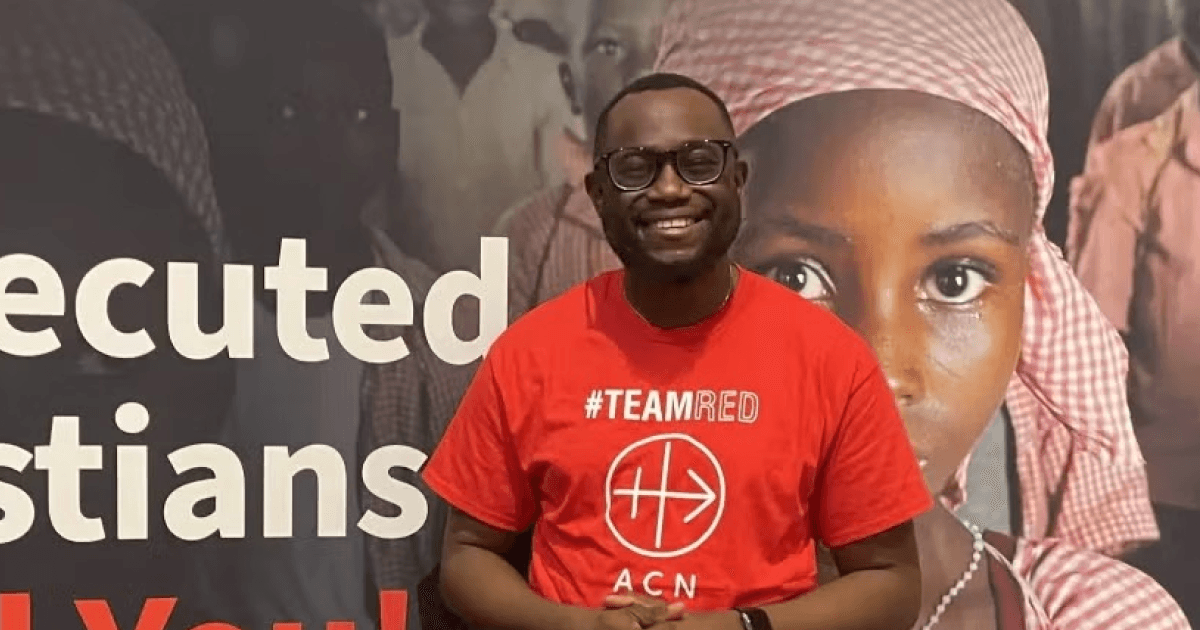 Newsroom
TikTok priest urges young people to stand with persecuted Christians
Nathalie Raffray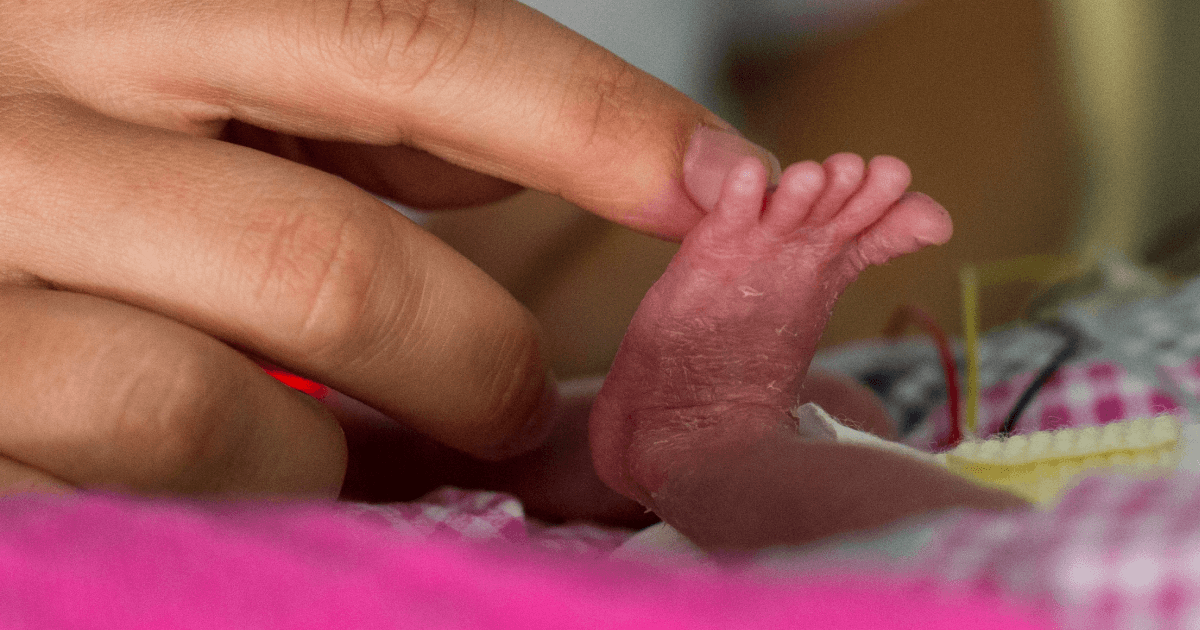 Newsroom
Baby born at 25 weeks reunites with neonatologist two years after leaving hospital
The Catholic Herald Newsroom
Joe Biden honoured by Planned Parenthood after defending abortion rights
Christine Rousselle
subscribe to the catholic herald today
Our best content is exclusively available to our subscribers. Subscribe today and gain instant access to expert analysis, in-depth articles, and thought-provoking insights—anytime, anywhere. Don’t miss out on the conversations that matter most.
Subscribe



