December 16, 2025
December 16, 2025

The Co-redemptrix controversy and the question of authority

Min read
share

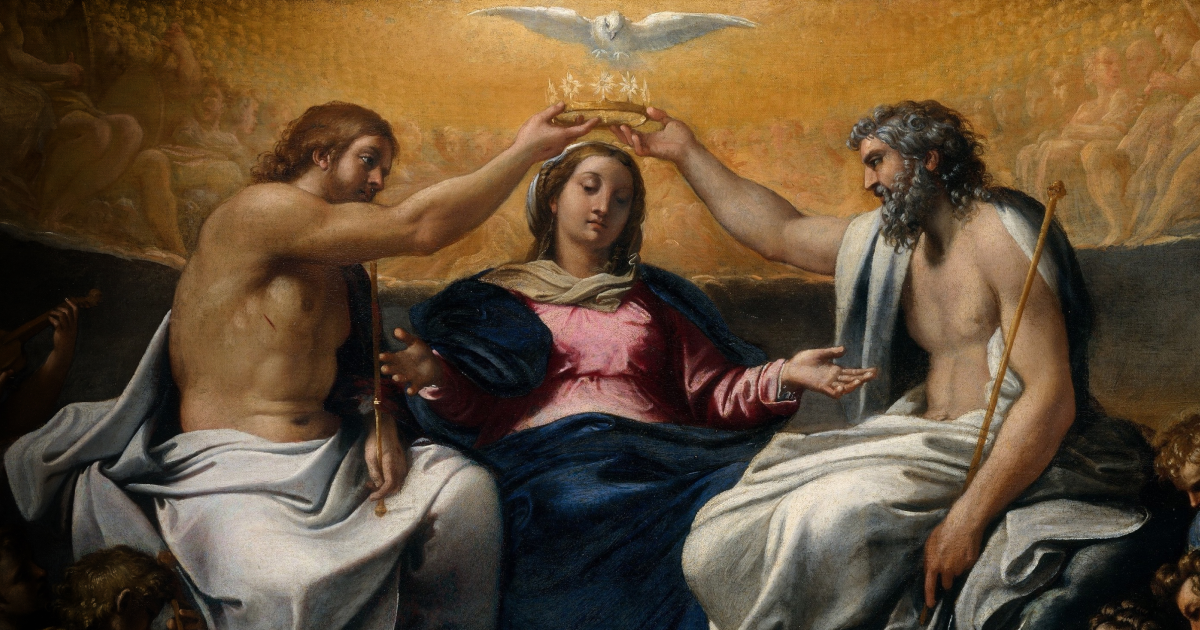
One of the Catholic Church’s most authoritative associations of Mariologists has published a detailed and sharply worded response to Mater Populi Fidelis.

The International Marian Association Theological Commission released its 23 page critique on the Feast of the Immaculate Conception, describing elements of the document as erroneous, “unfortunate”, and in need of “substantial clarification and modification”. While recognising the note as part of the ordinary Magisterium, the commission stressed that it stands on a “lower level” than direct papal teaching and is therefore open to respectful theological correction.

Mater Populi Fidelis, issued by the Dicastery for the Doctrine of the Faith in November, reaffirmed core Marian titles such as Mother of God and Mother of the Church, but discouraged the use of “Co redemptrix” and certain formulations of “Mediatrix of all graces”. The dicastery argued that such language risks obscuring Christ’s unique mediation and could cause pastoral confusion, even while acknowledging the theological truths the titles seek to express.

The Marian commission said it welcomed the note’s clear affirmation of Christ as the sole divine Redeemer and its recognition of Mary’s singular cooperation in salvation history. However, it argued that the document ultimately diminishes Mary’s redemptive role and fails to teach positively what previous popes have consistently affirmed.

Addressing the claim that the title Co redemptrix is “always inappropriate” or “always inopportune”, the theologians said that such a judgement would imply that popes, saints, and mystics who employed the term acted imprudently. “If it is always inappropriate to use the title,” the document states, “then the popes who approved or used the title were acting in an inappropriate and imprudent manner.”

While welcoming a subsequent clarification that the title is now considered inappropriate only for official magisterial documents, the commission said the doctrinal note still represents an “anti development of doctrine” by prohibiting a term long used precisely to underline Mary’s complete subordination to Christ.

On the title Mediatrix of all graces, the theologians criticised the dicastery for reducing Marian mediation to intercession alone and for omitting papal teaching over four centuries that affirms Mary’s universal mediation. Although agreeing that grace comes from God alone, they said the note “fails to affirm the active and causal secondary mediation of Mary in the distribution of graces” taught by previous popes.

The commission also rejected the argument that such titles should be avoided because they require repeated explanation. Many central doctrines, it noted, including the Trinity, transubstantiation, and papal infallibility, demand continual catechesis.

Beyond theology, the response warned of pastoral consequences. Marian devotions linked to the Rosary, the Miraculous Medal, and the Scapular could be thrown into “unnecessary confusion and doubt”, while movements such as the Legion of Mary may struggle to reconcile their spirituality with the new guidance.

In its conclusion, the commission said that a vision of redemption centred on “Jesus alone”, without recognising Mary’s God willed participation, “seems to resemble more a Protestant theology of Redemption than that of the Catholic Church”. It expressed the “sincere hope and prayer” that its intervention would lead, “in a spirit of true synodal dialogue”, to a re evaluation of Mater Populi Fidelis and a renewed magisterial affirmation of Mary as Co redemptrix and Mediatrix of all graces.

The looming issue here is how doctrinal authority is exercised, received, and clarified in the life of the Church. With contradictory signals about whether Co redemptrix or Mediatrix of all graces should be encouraged or discouraged, it raises the question of how Catholics should navigate the perilous minefield of Catholic theology.

The response of the International Marian Association Theological Commission is not merely a technical objection. It reflects a deeper unease about process, consultation, and continuity.

The Vatican note in question is explicitly an act of the ordinary Magisterium at a lower level, not a definitive papal judgement. The commission has taken pains to acknowledge this. Yet it has also made clear that, as specialists whose entire vocation is the study of Marian doctrine, they believe their expertise was either insufficiently consulted or subsequently marginalised. If a document addressing centuries old theological language is issued while leading experts feel excluded or misrepresented, the problem is not only doctrinal but ecclesial.

The confusion is intensified by competing narratives. Some officials have suggested wide consultation with Marian scholars, while other sources contest whether this consultation was either extensive or representative. The result is a form of theological limbo, in which a Vatican text discourages certain titles, while a major international body of theologians insists that the reasoning behind that discouragement is flawed and incomplete.

This pattern is uncomfortably familiar. During the previous pontificate, Catholics repeatedly encountered statements that generated dramatic headlines, followed by waves of “Popesplaining”. The concern now is not doctrinal collapse, but whether the Church is drifting back into a reactive mode in which clarification becomes permanent.

The emerging papacy of Leo XIV inevitably looms over this debate. Unlike his predecessor, he has so far avoided improvisation and ambiguity. Yet this controversy may test whether a more deliberate style of governance can restore confidence.


One of the Catholic Church’s most authoritative associations of Mariologists has published a detailed and sharply worded response to Mater Populi Fidelis.

The International Marian Association Theological Commission released its 23 page critique on the Feast of the Immaculate Conception, describing elements of the document as erroneous, “unfortunate”, and in need of “substantial clarification and modification”. While recognising the note as part of the ordinary Magisterium, the commission stressed that it stands on a “lower level” than direct papal teaching and is therefore open to respectful theological correction.

Mater Populi Fidelis, issued by the Dicastery for the Doctrine of the Faith in November, reaffirmed core Marian titles such as Mother of God and Mother of the Church, but discouraged the use of “Co redemptrix” and certain formulations of “Mediatrix of all graces”. The dicastery argued that such language risks obscuring Christ’s unique mediation and could cause pastoral confusion, even while acknowledging the theological truths the titles seek to express.

The Marian commission said it welcomed the note’s clear affirmation of Christ as the sole divine Redeemer and its recognition of Mary’s singular cooperation in salvation history. However, it argued that the document ultimately diminishes Mary’s redemptive role and fails to teach positively what previous popes have consistently affirmed.

Addressing the claim that the title Co redemptrix is “always inappropriate” or “always inopportune”, the theologians said that such a judgement would imply that popes, saints, and mystics who employed the term acted imprudently. “If it is always inappropriate to use the title,” the document states, “then the popes who approved or used the title were acting in an inappropriate and imprudent manner.”

While welcoming a subsequent clarification that the title is now considered inappropriate only for official magisterial documents, the commission said the doctrinal note still represents an “anti development of doctrine” by prohibiting a term long used precisely to underline Mary’s complete subordination to Christ.

On the title Mediatrix of all graces, the theologians criticised the dicastery for reducing Marian mediation to intercession alone and for omitting papal teaching over four centuries that affirms Mary’s universal mediation. Although agreeing that grace comes from God alone, they said the note “fails to affirm the active and causal secondary mediation of Mary in the distribution of graces” taught by previous popes.

The commission also rejected the argument that such titles should be avoided because they require repeated explanation. Many central doctrines, it noted, including the Trinity, transubstantiation, and papal infallibility, demand continual catechesis.

Beyond theology, the response warned of pastoral consequences. Marian devotions linked to the Rosary, the Miraculous Medal, and the Scapular could be thrown into “unnecessary confusion and doubt”, while movements such as the Legion of Mary may struggle to reconcile their spirituality with the new guidance.

In its conclusion, the commission said that a vision of redemption centred on “Jesus alone”, without recognising Mary’s God willed participation, “seems to resemble more a Protestant theology of Redemption than that of the Catholic Church”. It expressed the “sincere hope and prayer” that its intervention would lead, “in a spirit of true synodal dialogue”, to a re evaluation of Mater Populi Fidelis and a renewed magisterial affirmation of Mary as Co redemptrix and Mediatrix of all graces.

The looming issue here is how doctrinal authority is exercised, received, and clarified in the life of the Church. With contradictory signals about whether Co redemptrix or Mediatrix of all graces should be encouraged or discouraged, it raises the question of how Catholics should navigate the perilous minefield of Catholic theology.

The response of the International Marian Association Theological Commission is not merely a technical objection. It reflects a deeper unease about process, consultation, and continuity.

The Vatican note in question is explicitly an act of the ordinary Magisterium at a lower level, not a definitive papal judgement. The commission has taken pains to acknowledge this. Yet it has also made clear that, as specialists whose entire vocation is the study of Marian doctrine, they believe their expertise was either insufficiently consulted or subsequently marginalised. If a document addressing centuries old theological language is issued while leading experts feel excluded or misrepresented, the problem is not only doctrinal but ecclesial.

The confusion is intensified by competing narratives. Some officials have suggested wide consultation with Marian scholars, while other sources contest whether this consultation was either extensive or representative. The result is a form of theological limbo, in which a Vatican text discourages certain titles, while a major international body of theologians insists that the reasoning behind that discouragement is flawed and incomplete.

This pattern is uncomfortably familiar. During the previous pontificate, Catholics repeatedly encountered statements that generated dramatic headlines, followed by waves of “Popesplaining”. The concern now is not doctrinal collapse, but whether the Church is drifting back into a reactive mode in which clarification becomes permanent.

The emerging papacy of Leo XIV inevitably looms over this debate. Unlike his predecessor, he has so far avoided improvisation and ambiguity. Yet this controversy may test whether a more deliberate style of governance can restore confidence.

share

subscribe to the catholic herald today

Our best content is exclusively available to our subscribers. Subscribe today and gain instant access to expert analysis, in-depth articles, and thought-provoking insights—anytime, anywhere. Don’t miss out on the conversations that matter most.
Subscribe