


The Ten Commandments entrusted to Moses were not a heavy burden imposed on God’s people. To echo the words of the psalmist, they were received as a gift that “gladdens the heart and gives light to the eyes”. During this season of Lent, as we heed the call to repentance, the commandments set a standard against which we might profitably examine our lives. Above all, the commandments prioritise God’s saving will over every other consideration. Life is centred on God rather than self. As sinners we naturally resist anything that questions the freedom with which we choose for ourselves. We deceive ourselves when we think that sinful convenience cannot become a false god ruling our lives. The commandment to keep holy the Sabbath is not a puritanical restriction. It sets before us a wholesome balance between the time we give to God, to each other and to necessary rest. All of the commandments, far from being a restriction, free us to embrace the fullness of life with God, within our families and within society. The commandments, placing God’s will above self, differ radically from the priorities of a sinful world. Many would dismiss them as the foolishness of a bygone age. Such was the foolishness with which Christ called us to abandon self so as to find ourselves in him. Such was the foolishness of Christ’s obedience to the Father’s will on the Cross: “Father, into your hands I commend my spirit.” Both the commandments and the Cross confront selfish lives. In both we acknowledge that “God’s foolishness is wiser than human wisdom, and that God’s weakness is stronger than human strength”. Neither the commandments, nor the Cross, condemns without the hope of redemption. They become for us “the power and wisdom of God”. It is in Christ’s Resurrection that we are enabled both to understand and fulfil the Father’s will. John’s account of the cleansing of the Temple is a powerful summons to repentance. Jesus was roused to anger as he witnessed his Father’s house turned into a marketplace. Confronted by the temple authorities, he spoke of the new temple to be revealed in his death and resurrection. “Destroy this sanctuary, and in three days I will raise it up” Through Christ’s death and Resurrection we have become Christ’s Body, the sanctuary of his presence. In our individual lives, and together in the Church, we have become the new temple of his presence. To repent is to sanctify his dwelling place. Sin, on the other hand, defiles his presence, making of us a cheap marketplace. This article first appeared in the latest edition of the Catholic Herald magazine (06/3/15). Take up our special subscription offer – 12 issues currently available for just £12!
11:00 AM
The commandments free us to embrace the fullness of life with God
Third Sunday of Lent, ex 20:1-17; 1 cor 1:22-25; jn 2:13-25 (year b)
Bishop David McGough


3 min read



Already a subscriber? Sign in
5freearticles every month
Continue reading with a free account. No card needed.
- Five free articles every thirty days, on any device you sign in on
- The Catholic Herald newsletter, every morning
- Subscribe whenever you like for everything: every article and the magazine
Related articles
 Newsroom
Church leaders urge Drumcree dialogue: ‘Too much is at stake’
The Catholic and Church of Ireland Archbishops of Armagh have urged a renewed commitment to peace and reconciliation amid the Drumcree stand-off
Corrie Douglas-Young Newsroom
Thousands of Irish children to join global Rosary campaign
Corrie Douglas-Young Newsroom
TikTok priest urges young people to stand with persecuted Christians
Nathalie Raffray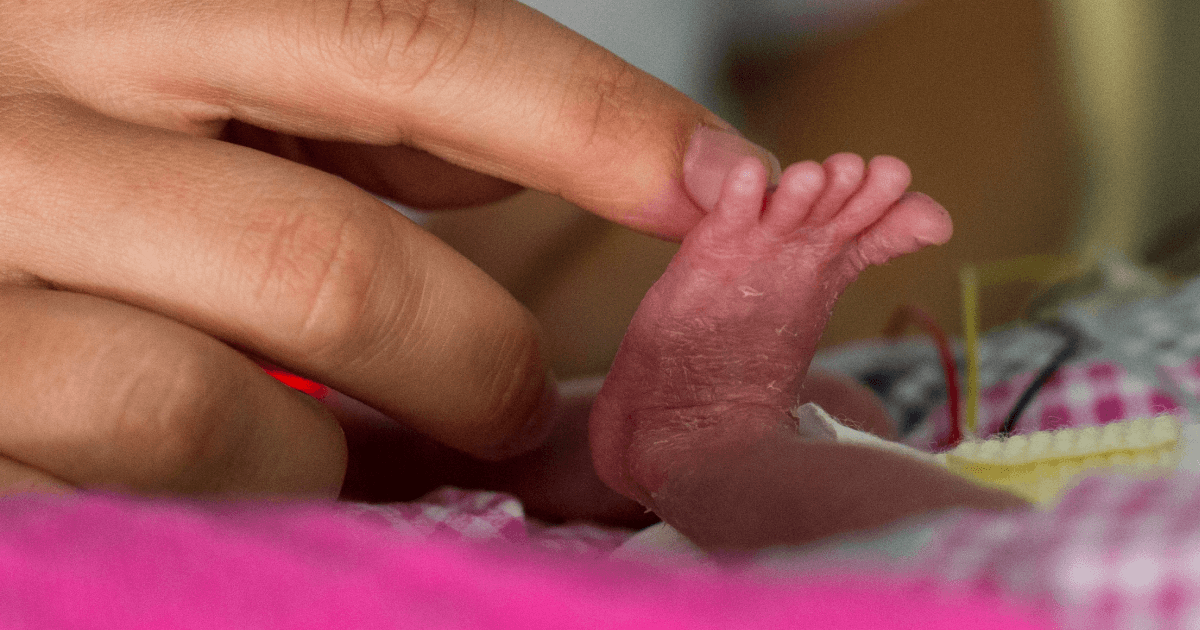 Newsroom
Baby born at 25 weeks reunites with neonatologist two years after leaving hospital
The Catholic Herald Newsroom
Joe Biden honoured by Planned Parenthood after defending abortion rights
Christine Rousselle
subscribe to the catholic herald today
Our best content is exclusively available to our subscribers. Subscribe today and gain instant access to expert analysis, in-depth articles, and thought-provoking insights—anytime, anywhere. Don’t miss out on the conversations that matter most.
Subscribe



