

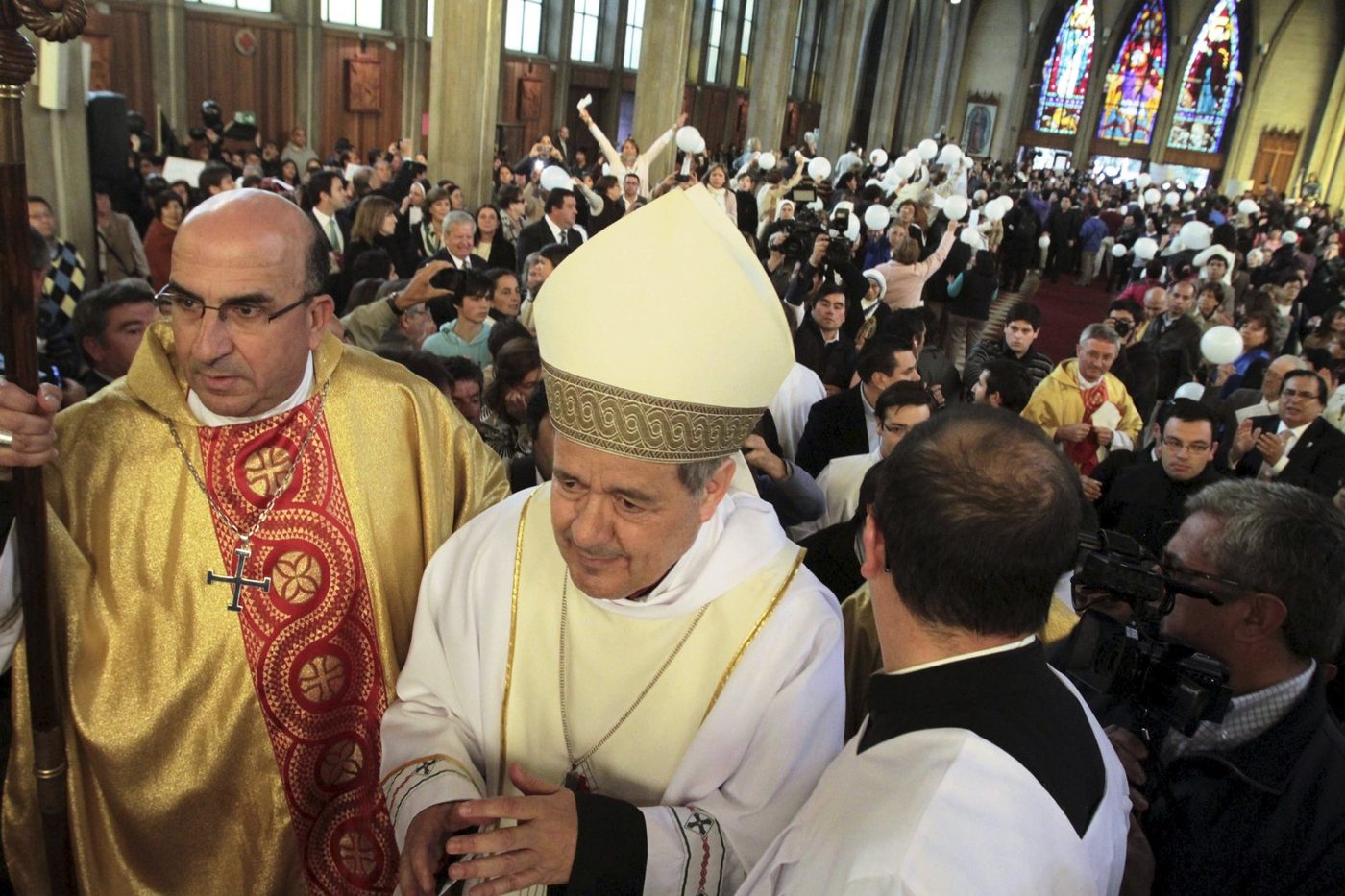
What on earth is happening in the Diocese of Osorno, Chile? Quite a few observers are bewildered by the recent appointment of Bishop Juan Barros to the diocese. Let us start with what happened when the newly appointed bishop was enthroned in his cathedral this Saturday last. A fight – yes, you read that correctly – broke out as His Lordship entered the cathedral, between the rival factions in the diocese, those who support the new bishop and those who oppose him. This is hardly what you would expect to see in any church, let alone in a cathedral, let alone at the show of unity that the entry of a new bishop is supposed to be. Moreover, one sees that no less than 30 priests and deacons of the diocese wrote to the papal nuncio to make clear to him that they did not want Bishop Barros as their bishop. One thing is certainly clear: Bishop Barros, perhaps through no fault of his own, is a divisive figure. As bishop, he is meant to be the focus of unity. Even before he has started his time as bishop, he has failed. So, why was he appointed? At this point things become murky. Bishop Barros was already Bishop of the Armed Forces, so this was a transfer, not a promotion. It seems he was a protégé of one Fr Fernando Karadima, who was found guilty of child abuse. While there is no suggestion that Mgr Barros is a child abuser, some allege that he was too close to Karadima and complicit in the cover up of Karadima’s crimes. He firmly denied this. That much can be said without fear of contradiction. But why, then, did the papal nuncio, with the full consent of the Vatican, decide to move the bishop to Osorno, against the will of a large section of the people? And why is it the official Church line that this was the correct thing to do? The Huffington Post draws several conclusions from this fracas that may or may not be correct. The appointment may well be an indication that Bishop Barros has powerful and important friends in high places, both in Chile and in Rome. But it may be a simple miscalculation on the part of the Church, namely, that moving the bishop to Osorno would be something that would attract little notice. (It is, from what I can determine, a pretty small diocese.) If that is the case, how wrong that calculation proved to be. The best commentary I have read on the matter comes from the ever-excellent John Allen and can be read here. My own reflections are as follows. First, someone, somewhere, the person with whom the idea of this appointment originated, simply does not get it. Anyone perceived to have a poor record on clerical abuse is toxic. Any attempt to place someone like Bishop Barros over a diocese is going to lead to a strong reaction. This should have been foreseen. Which leads to the question: given that this was such a huge unforced error, where were the checks and balances that should have kicked in and effectively stopped this appointment getting beyond the very first stage? So what we have here, not for the first time, is clear evidence that the process of consultation that leads to the appointment of bishops is not working. Secondly, the Vatican has set up a child protection commission. This was seen as a hopeful sign. But if you are going to have a commission that you yourself set up, you have to take its advice seriously. There is now the serious risk that the Pope will lose the confidence of his own commission, for several members of it are not happy. This would be catastrophic. Allen puts it better than I could:
3:57 PM
The disastrous appointment of Bishop Barros could spell trouble for Pope Francis
The Vatican has made a huge unforced error and it doesn't seem to realise it
Fr Alexander Lucie-Smith

5 min read



Already a subscriber? Sign in
5freearticles every month
Continue reading with a free account. No card needed.
- Five free articles every thirty days, on any device you sign in on
- The Catholic Herald newsletter, every morning
- Subscribe whenever you like for everything: every article and the magazine
Related articles
 Newsroom
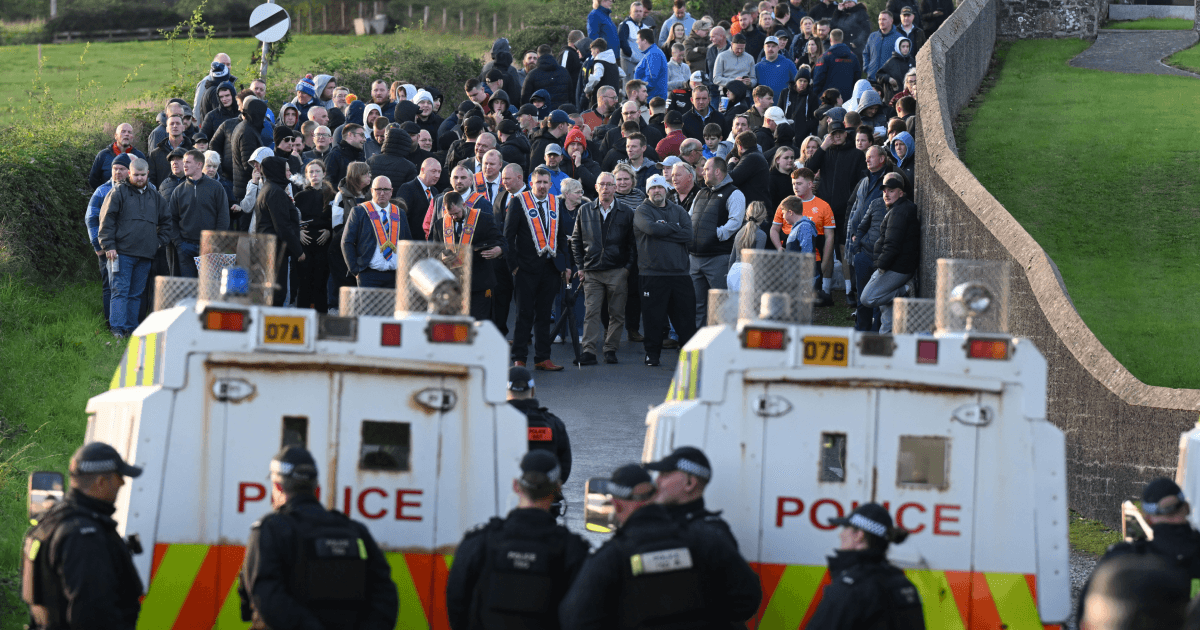
Church leaders urge Drumcree dialogue: ‘Too much is at stake’
The Catholic and Church of Ireland Archbishops of Armagh have urged a renewed commitment to peace and reconciliation amid the Drumcree stand-off
Corrie Douglas-Young Newsroom
Thousands of Irish children to join global Rosary campaign
Corrie Douglas-Young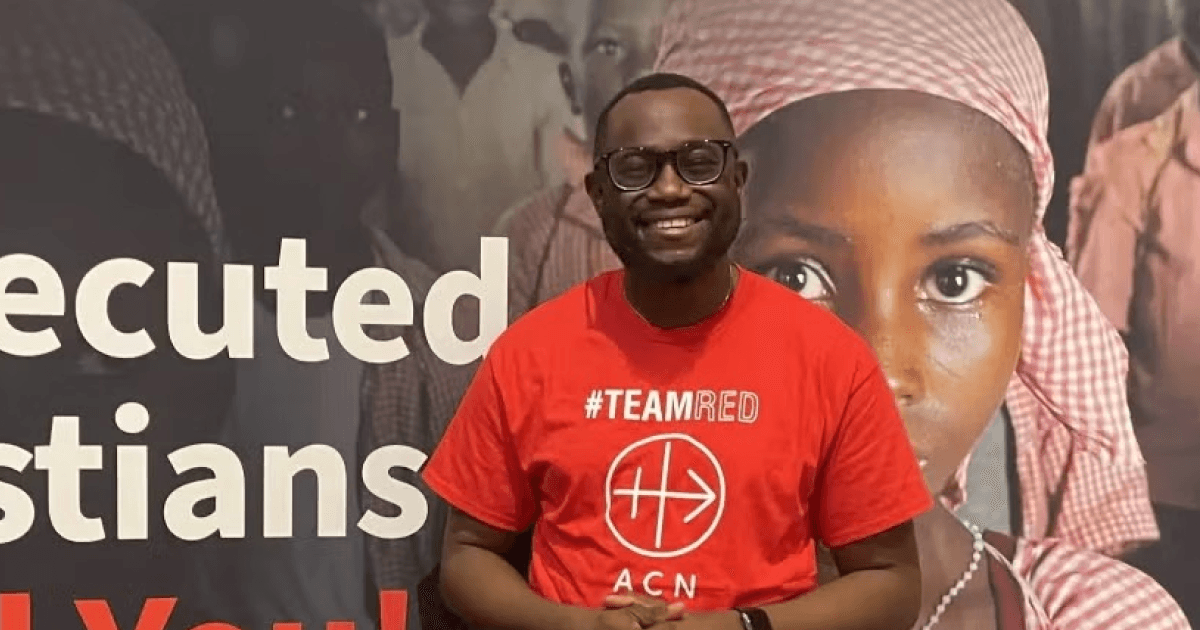 Newsroom
TikTok priest urges young people to stand with persecuted Christians
Nathalie Raffray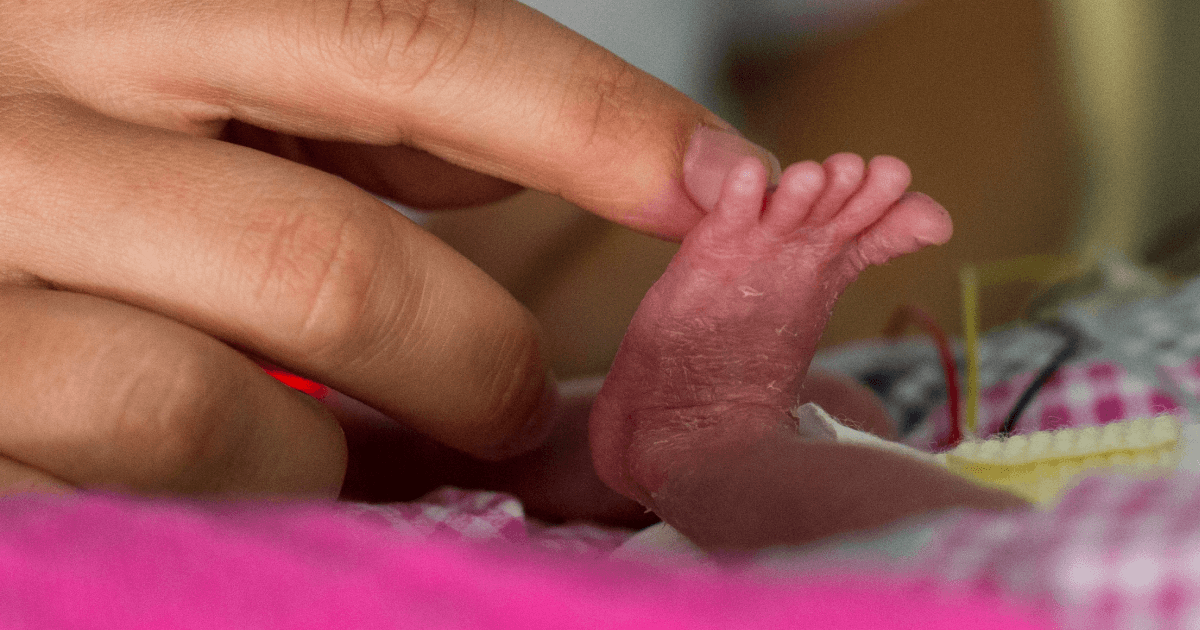 Newsroom
Baby born at 25 weeks reunites with neonatologist two years after leaving hospital
The Catholic Herald Newsroom
Joe Biden honoured by Planned Parenthood after defending abortion rights
Christine Rousselle
subscribe to the catholic herald today
Our best content is exclusively available to our subscribers. Subscribe today and gain instant access to expert analysis, in-depth articles, and thought-provoking insights—anytime, anywhere. Don’t miss out on the conversations that matter most.
Subscribe



