

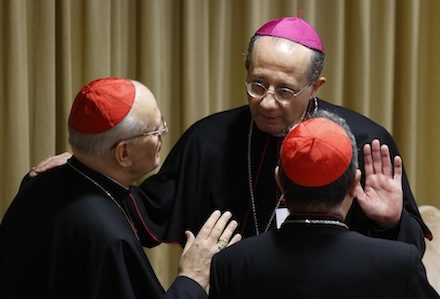
Some say he is "a future papabile", others that he is a dangerous thinker "permeating whole nations with his errors". And last week he emerged as one of the most controversial figures in the Catholic world, when he was presented as the author of one of the most contentious passages in the family synod's startling mid-term report. The document urged the Church to take a radical new approach to cohabitation, remarriage and homosexuality, creating what one Vatican observer called "a pastoral earthquake". Yet Archbishop Bruno Forte remains a somewhat mysterious figure to many English-speaking Catholics. So who, exactly, is he? The most prosaic answer is that he is the Archbishop of Chieti-Vasto, an area east of Rome with around 300,000 Catholics. But Archbishop Forte is best known in Italy, and the wider Catholic world, as a prolific and remarkably well-connected theologian. He studied at Tübingen, the German Catholic intellectual powerhouse associated with Hans Küng, Joseph Ratzinger and Walter Kasper. He also spent time in Paris, before gaining a Laurea degree in philosophy from Naples university. In the 1980s and 1990s Forte built a reputation as one of Italy's leading theologians. In 2000, he oversaw the preparation of the Vatican document Memory and Reconciliation: The Church and the Faults of the Past, which led to the famous liturgy in St Peter's Basilica in which St John Paul II asked God's forgiveness for 2,000 years of sins committed in the Church's name. The text, which called for "the purification of memory", was criticised by some senior Church figures, who felt it implied the Church itself was flawed. St John Paul II continued to favour the young theologian, asking him to preach the Vatican's Lenten Spiritual Exercises in 2004 (later published as To Follow You, the Light of Life). Three months later, John Paul II named Forte an archbishop. The 55-year-old's principal consecrator was Cardinal Joseph Ratzinger. Archbishop Forte was touted as a possible successor to Cardinal Ratzinger as prefect of the Congregation for the Doctrine of the Faith, but the post went to the American Cardinal William Levada instead. He was also mentioned as a candidate for the Archdiocese of Naples, his home see, when Cardinal Michele Giordano retired in 2006. But that post was given to Cardinal Crescenzio Sepe. He reportedly expressed opposition to Benedict XVI's decision to liberalise celebration of the traditional Latin Mass. It is also said that he became very close to Cardinal Carlo Maria Martini, the influential Jesuit Archbishop of Milan, in the latter's final years. What is his world view? The archbishop's Italian Wikipedia page describes him as "moderately progressive" and the Catholic commentator Rocco Palmo called him "much (much) more progressive than Ratzinger" in a 2006 blog post. A good entry point to Archbishop Forte's thought for English speakers is his JH Walgrave Lecture, delivered at the American College at the Catholic University of Louvain in 2006. Described as "a virtuoso turn" by Rocco Palmo, the text presents the archbishop's broad philosophical and theological vision. (Another good entry point is this 2010 interview with Zenit.) In his lecture Archbishop Forte depicts the western world as "a society without fathers", where "the collective murder of the Father" has removed all "vertical relationships" and permits "only horizontal ones, of equality and reciprocity". He also discusses the struggle of believers in this hostile environment and concludes:
11:26 AM
The Explainer: who is Archbishop Bruno Forte?
A guide to the harder-to-grasp aspects of Catholic news stories
Luke Coppen

5 min read



Already a subscriber? Sign in
5freearticles every month
Continue reading with a free account. No card needed.
- Five free articles every thirty days, on any device you sign in on
- The Catholic Herald newsletter, every morning
- Subscribe whenever you like for everything: every article and the magazine
Related articles
 Newsroom
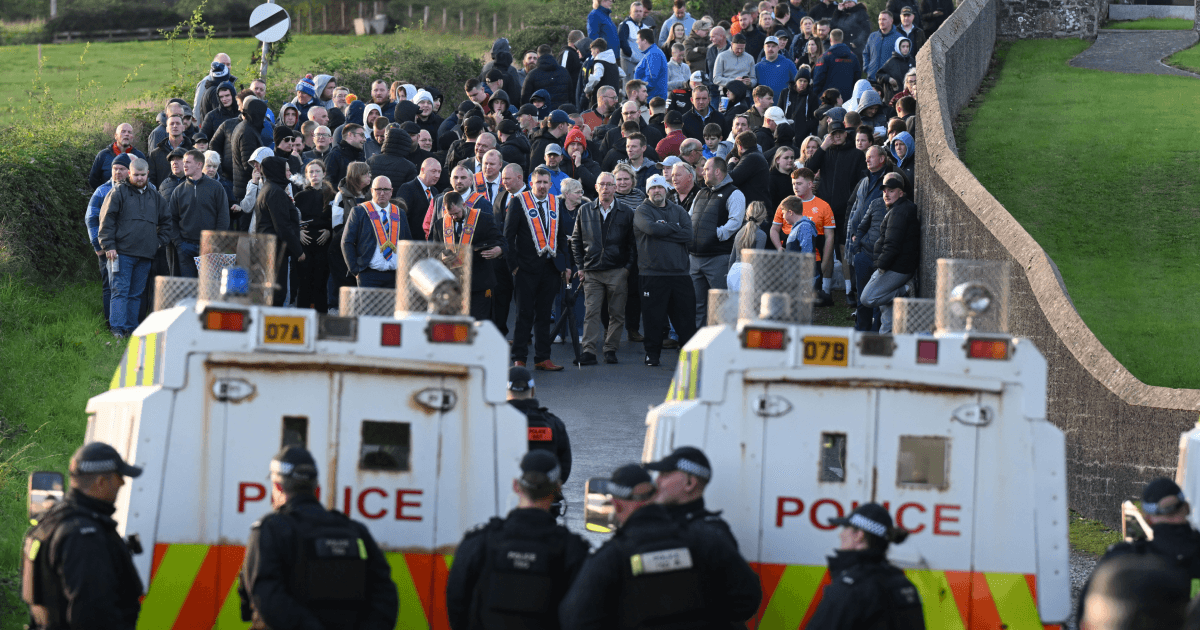
Church leaders urge Drumcree dialogue: ‘Too much is at stake’
The Catholic and Church of Ireland Archbishops of Armagh have urged a renewed commitment to peace and reconciliation amid the Drumcree stand-off
Corrie Douglas-Young Newsroom
Thousands of Irish children to join global Rosary campaign
Corrie Douglas-Young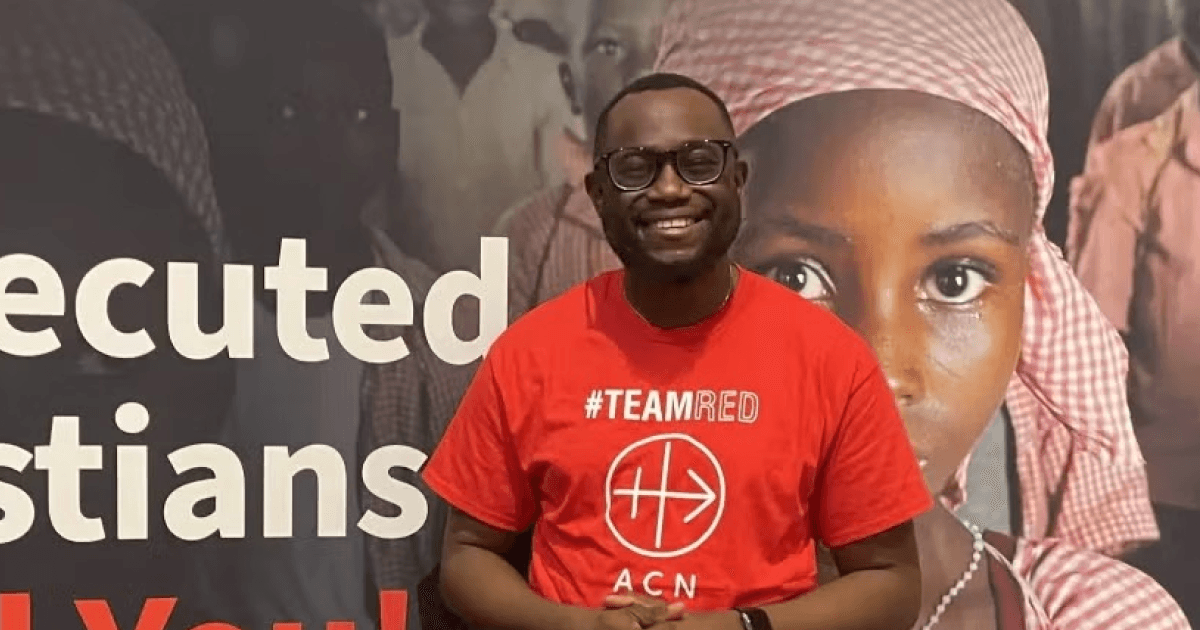 Newsroom
TikTok priest urges young people to stand with persecuted Christians
Nathalie Raffray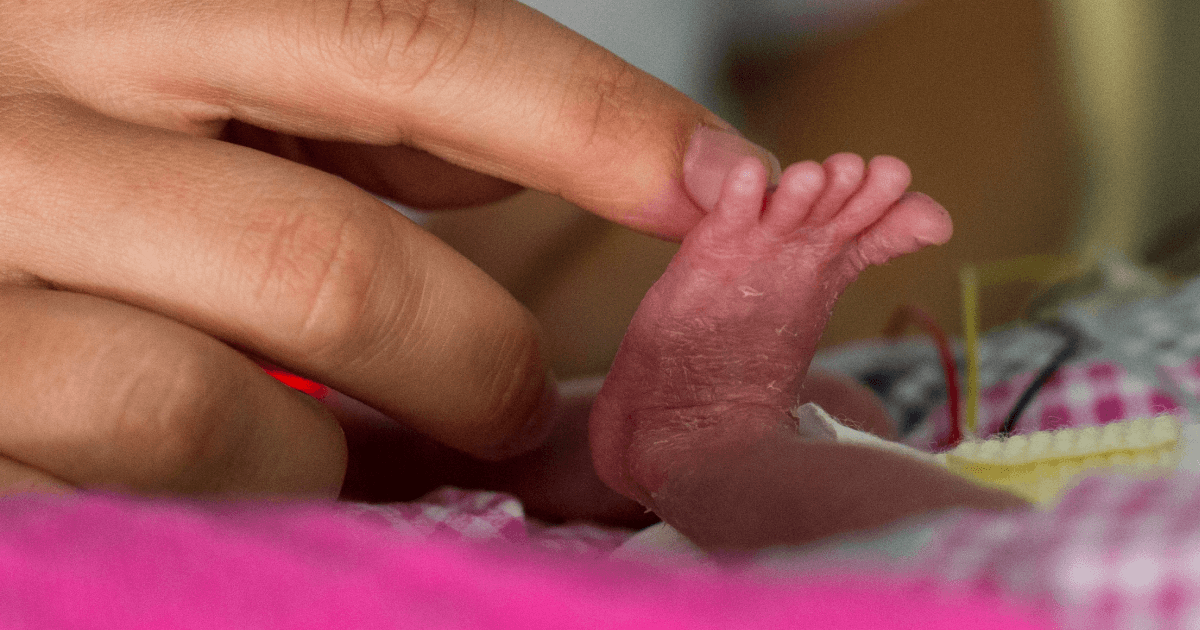 Newsroom
Baby born at 25 weeks reunites with neonatologist two years after leaving hospital
The Catholic Herald Newsroom
Joe Biden honoured by Planned Parenthood after defending abortion rights
Christine Rousselle
subscribe to the catholic herald today
Our best content is exclusively available to our subscribers. Subscribe today and gain instant access to expert analysis, in-depth articles, and thought-provoking insights—anytime, anywhere. Don’t miss out on the conversations that matter most.
Subscribe



