

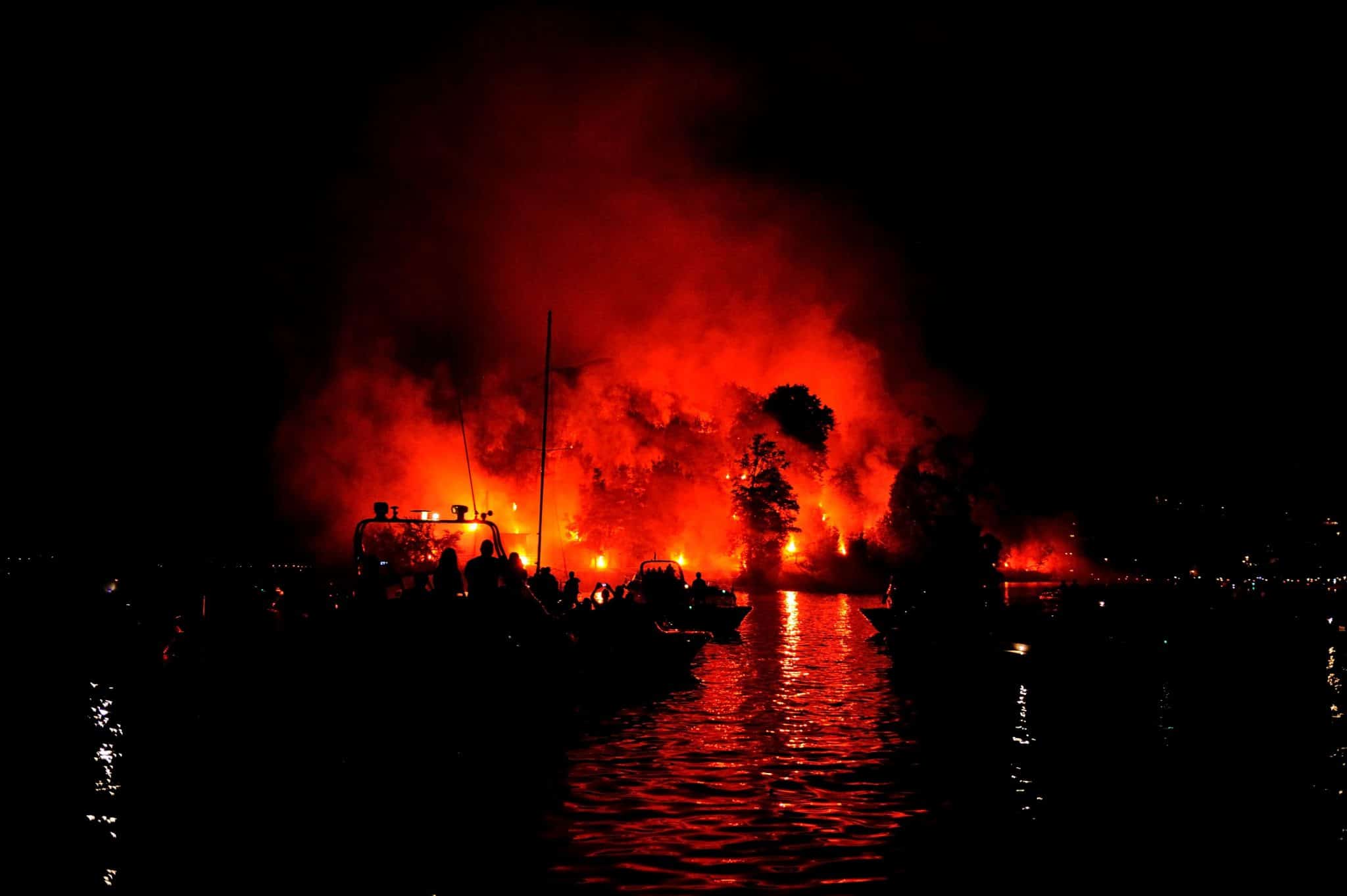
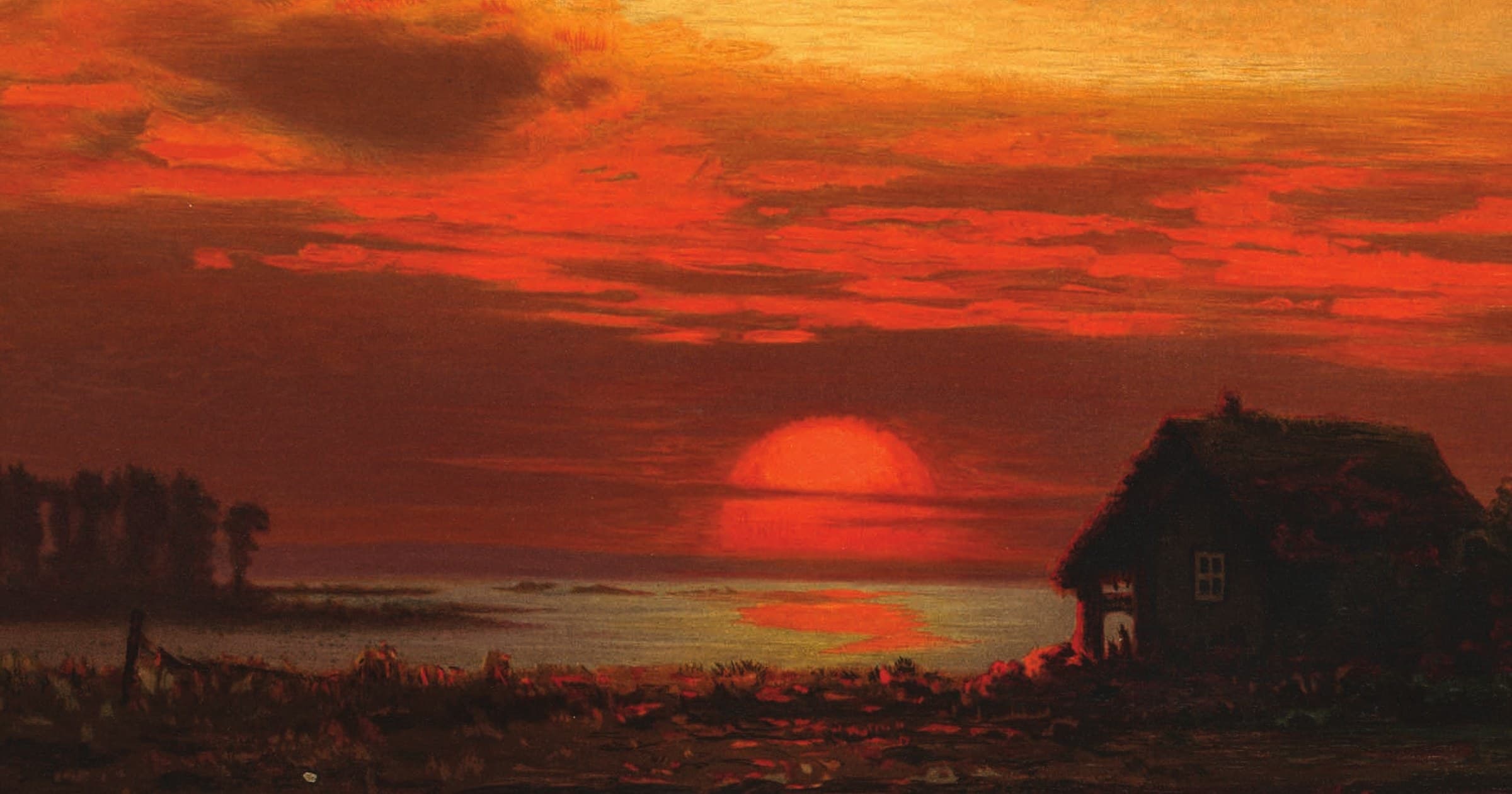
The custom of lighting bonfires on June 23, the eve of the feast of the Nativity of St John the Baptist, is one of the most widespread of all traditional European folk customs. It is found from Ireland to Siberia and from the top of Norway to Algeria, propelled across this whole vast region by the same impulse, to call on the purifying and protective properties of fire to bless and protect individuals and communities. The dangers against which this protection was sought were those which were in former times all too rife in late summer: diseases given to humans by proliferating insects, plagues that affected livestock and crops, freak weather that could ruin a harvest, and the menace of marauding warriors, pirates and criminals, operating when conditions made mobility easiest. The date was a numinous one, occurring at the end of the summer solstice, just before, to the naked eye, the sun began to move again along the horizon as it rose and set, commencing the long journey to its restricted midwinter positions.
9:00 AM
The fires of Saint John
the custom of lighting bonfires on june 23, the eve of the feast of the nativity of st john the baptist, is one of the most widespread of al...
Ronald Hutton

5 min read



Already a subscriber? Sign in
5freearticles every month
Continue reading with a free account. No card needed.
- Five free articles every thirty days, on any device you sign in on
- The Catholic Herald newsletter, every morning
- Subscribe whenever you like for everything: every article and the magazine

subscribe to the catholic herald today
Our best content is exclusively available to our subscribers. Subscribe today and gain instant access to expert analysis, in-depth articles, and thought-provoking insights—anytime, anywhere. Don’t miss out on the conversations that matter most.
Subscribe



