

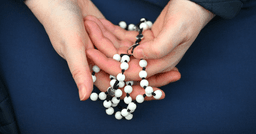

Last Saturday hundreds of thousands of Poles headed towards the border. This was not a mass holiday getaway, but a different kind of ritual – one not seen for decades. At around 2pm, they gathered in 320 churches and 4,000 “prayer zones” along the 2,000-mile frontier. They fished rosary beads out of their pockets and began to pray, from the sandy shores of the Baltic Sea to the wooden churches of the southern borderlands. Up to a million are said to have taken part – both in Poland and “Polonia”, the worldwide Polish diaspora. It was, by one reckoning, the second-largest prayer gathering in Europe after the 2016 World Youth Day, also held in Poland. What were they praying for? That was a matter of some dispute. According to the lay organisers, participants wanted to “not only change the course of events, but [also to] open the hearts of our compatriots to the grace of God”. But the Western media discerned a subtext: the “Rosary at the Borders” was held on October 7, the anniversary of the Battle of Lepanto in 1571. In that sea skirmish a vastly outnumbered Christian fleet saw off the Ottoman navy. Were Poles praying that Christian Europe would once again repulse an Islamic invasion? Reporters duly discovered pilgrims who expressed anxiety about the Islamist terrorist attacks that have peppered Europe (but notably not Poland) in recent years. Journalists also recalled that the Polish government had rejected an EU deal in 2015 to accept thousands of mainly Muslim refugees from the front-line states of Italy and Greece. Poland’s prime minister had backed the rosary campaign. Therefore the event surely had an “anti-Muslim agenda”. The BBC website advised readers that this was a “controversial prayer day”. It would be naïve, it implied, to think this was anything other than a covert demonstration against Muslim immigration. But if this had been a protest against the “Islamisation of Europe” it would have drawn far smaller crowds. The Poles who knelt on the shingle in Gdansk and on the banks of the Bug weren’t extremists; they were studious young couples, middle-aged men in tracksuits and grannies in mohair berets. Only one thing could have attracted so many ordinary Poles: a belief that praying the rosary could change the course of history. This kind of supernatural claim baffles Western newsrooms, even though it has deep historical roots that can be checked in an instant on Wikipedia. Catholics in England may face similar befuddlement when the country is rededicated as the Dowry of Mary in 2020. We could see the same hunt for an ulterior motive to explain something that makes no sense from an atheistic point of view. No doubt it, too, will be branded “controversial”. Major prayer events, after all, challenge the prevailing view that history is guided by technocratic elites untarnished by superstition. They assert that God, not Man, is in charge of history. They are an irritant for those who would reduce Christianity to niceness and shield themselves from its claims to historical truth.
1:00 PM
The great rosary ‘controversy’
The Catholic Herald

5 min read



Already a subscriber? Sign in
5freearticles every month
Continue reading with a free account. No card needed.
- Five free articles every thirty days, on any device you sign in on
- The Catholic Herald newsletter, every morning
- Subscribe whenever you like for everything: every article and the magazine
Related articles
 Newsroom
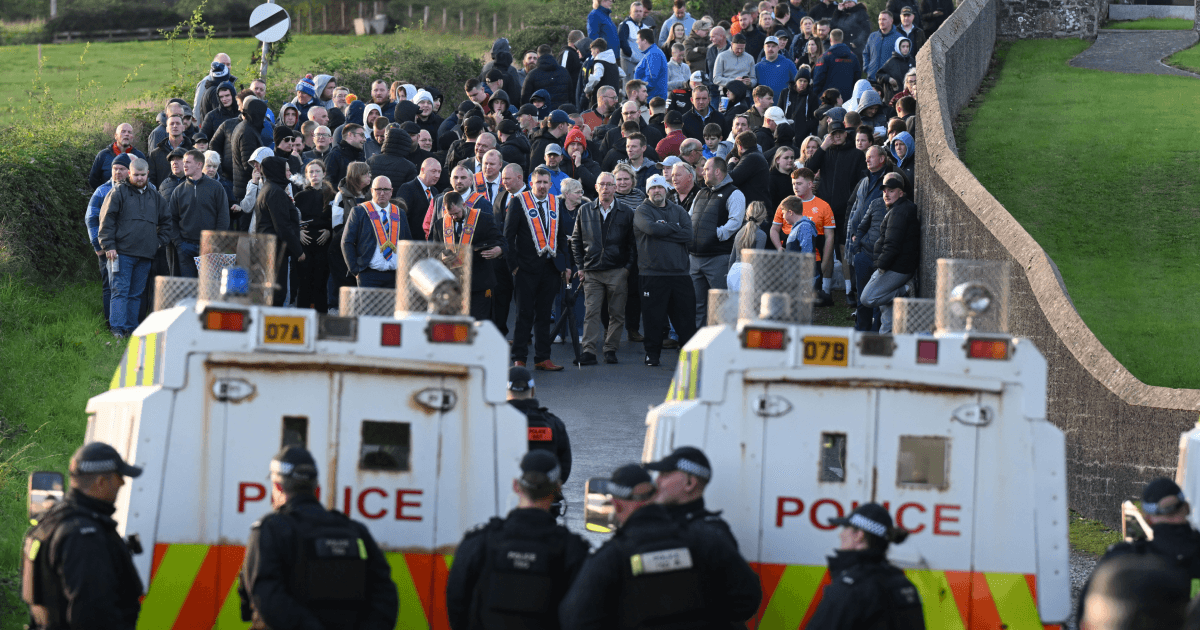
Church leaders urge Drumcree dialogue: ‘Too much is at stake’
The Catholic and Church of Ireland Archbishops of Armagh have urged a renewed commitment to peace and reconciliation amid the Drumcree stand-off
Corrie Douglas-Young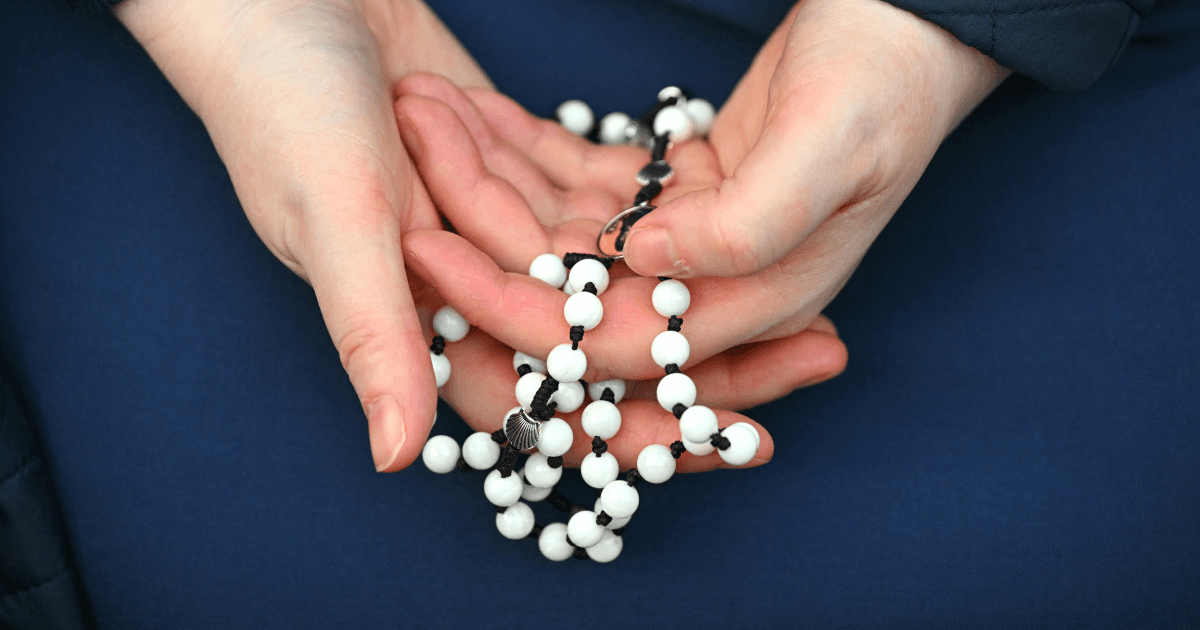 Newsroom
Thousands of Irish children to join global Rosary campaign
Corrie Douglas-Young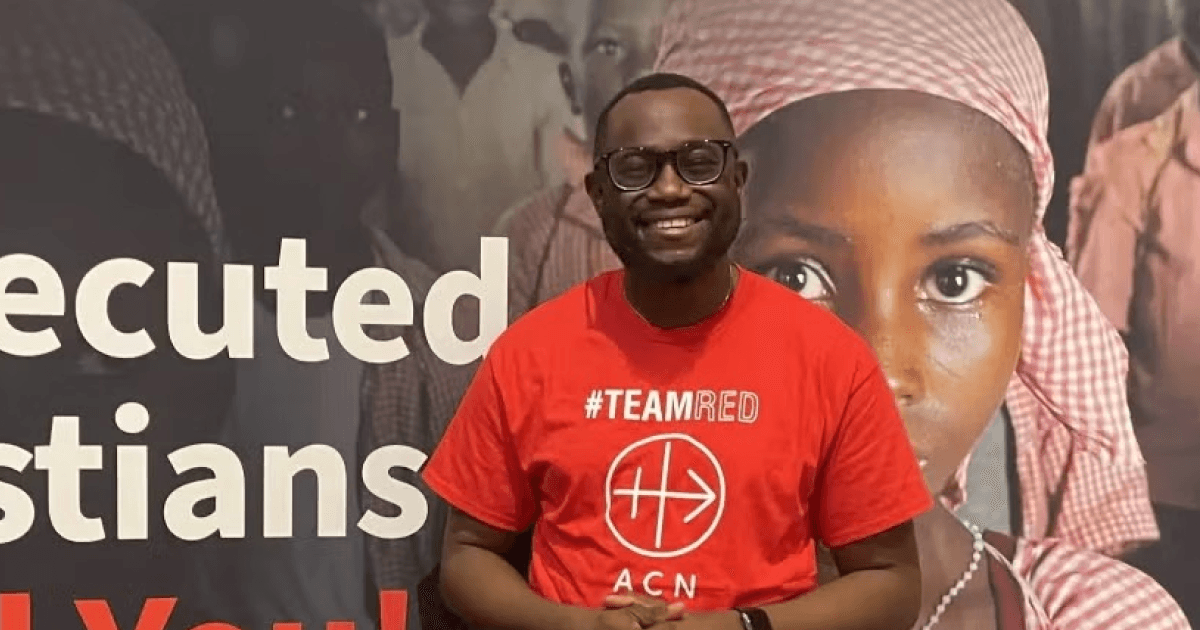 Newsroom
TikTok priest urges young people to stand with persecuted Christians
Nathalie Raffray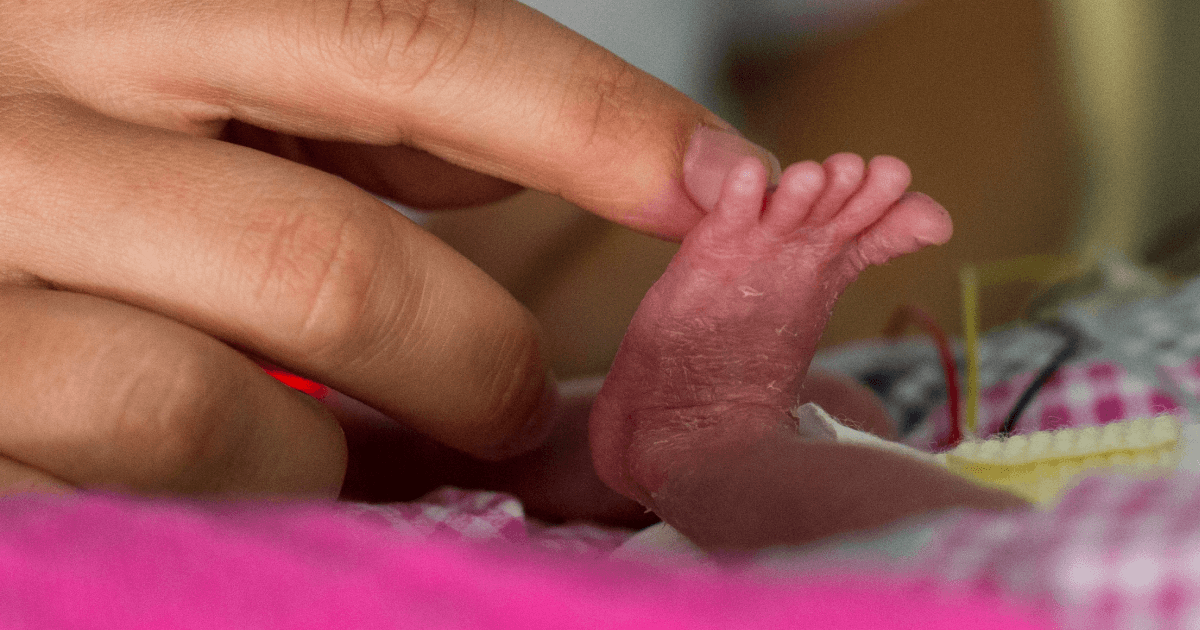 Newsroom
Baby born at 25 weeks reunites with neonatologist two years after leaving hospital
The Catholic Herald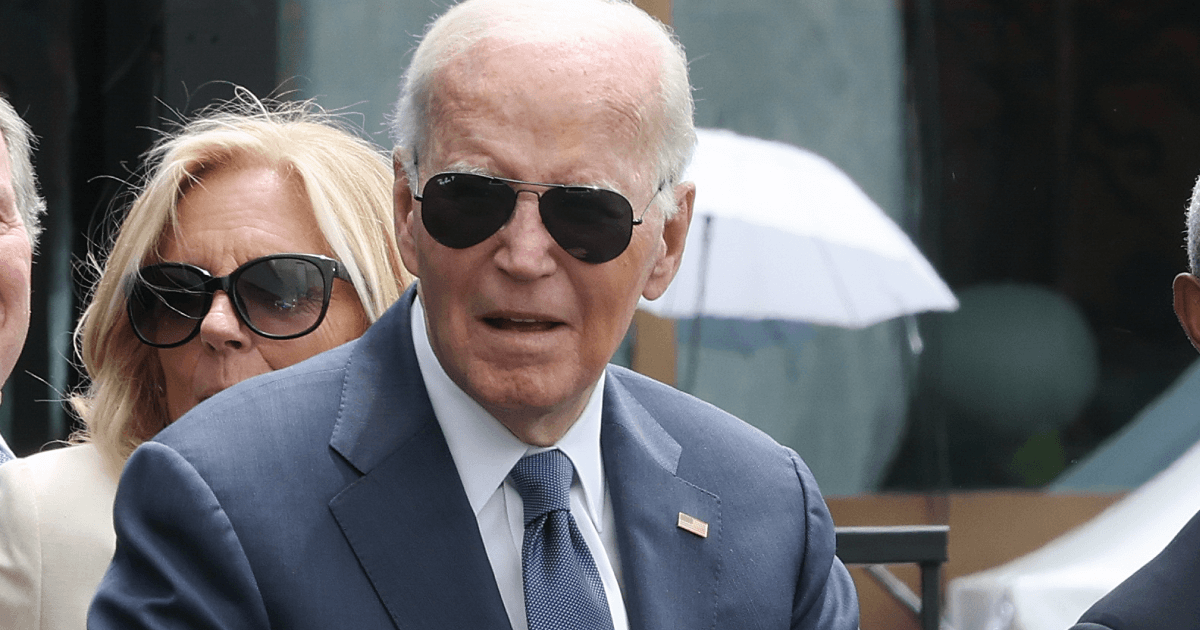 Newsroom
Joe Biden honoured by Planned Parenthood after defending abortion rights
Christine Rousselle
subscribe to the catholic herald today
Our best content is exclusively available to our subscribers. Subscribe today and gain instant access to expert analysis, in-depth articles, and thought-provoking insights—anytime, anywhere. Don’t miss out on the conversations that matter most.
Subscribe



