


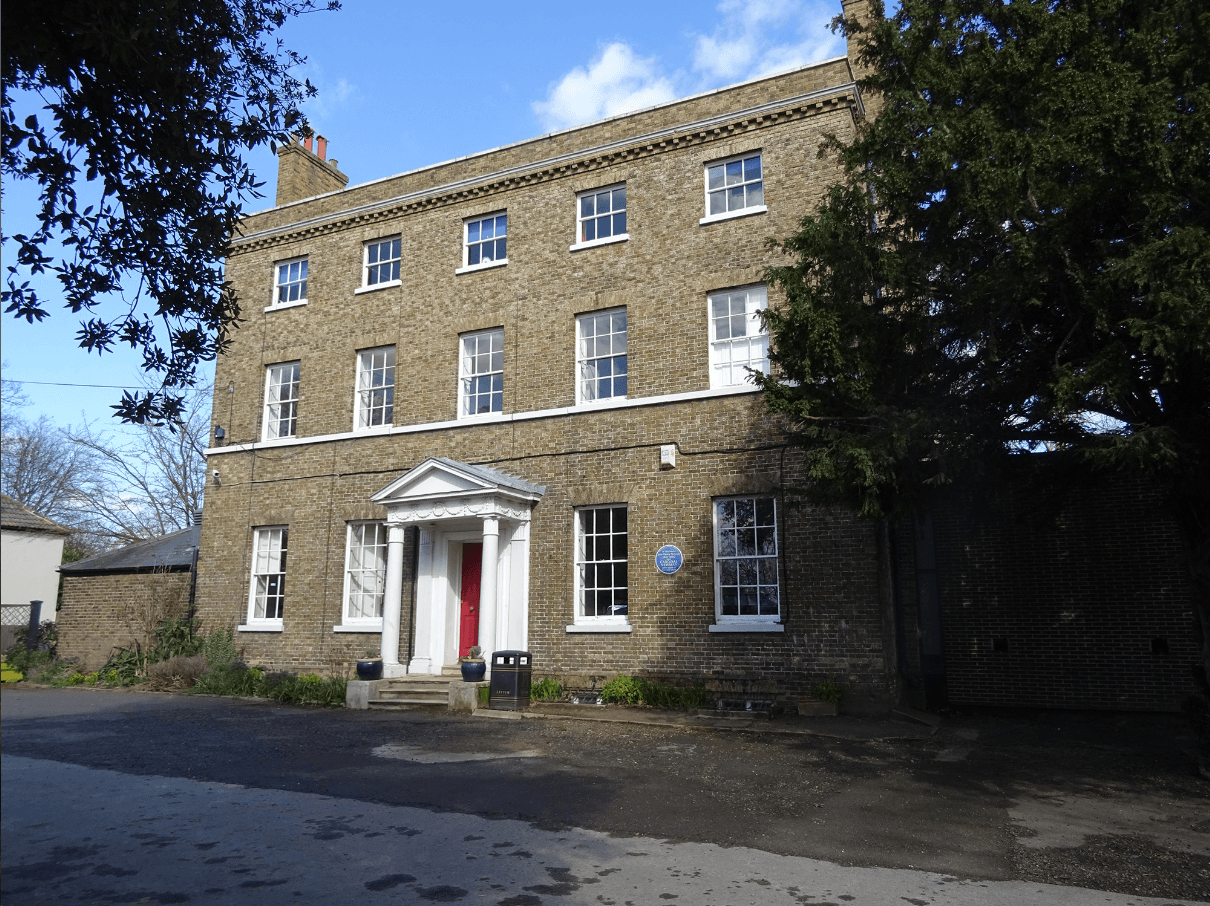
There can be few more enjoyable ways of spending a summer evening than walking along that glorious stretch of the River Thames from Richmond to Ham, where the tow-path goes along by the Petersham meadows and then through cool woodlands, while boats chug up and down and there is a choice of excellent pubs on arrival. We were walking to John Henry Newman’s childhood home, Grey Court House, at Ham. He loved the place, and wrote of it years later with great affection. The route takes us through one of the most beautiful views in England, one specifically protected by an Act of Parliament in 1902. Dear Newman – denounced as a modernist (he most certainly wasn’t one), distrusted by Pius IX, valued by Anglicans and Catholics alike, rightly seen as a father of the Second Vatican Council, quoted as an authority in the Catechism of the Catholic Church. His canonisation will be a source of joy to us all. His writings have a clarity that is both useful in assisting our understanding and attractive in style and sound. And he is, despite being a Victorian figure, somehow still close to us: a man of railway stations and umbrellas and controversies in the papers. A man teaching timeless but sometimes complicated truths in the face of prejudice and misunderstanding. A man unafraid of change while being essentially conservative. Over the past year friends have walked around the capital with me discovering places associated with Newman. The resulting book, Newman’s London (Gracewing), has just been published. Our history walks (catholichistory walks.com) explore all sorts of other places. For too many Catholics, the only known story is Henry VIII and all that, but the faith in this country goes back to Roman times, flourished anew with the conversion of the Saxon invaders, and saw saints and heroes long before the medieval period. All worth discovering.
2:00 PM
The house where Newman's journey to sanctity began
there can be few more enjoyable ways of spending a summer evening than walking along that glorious stretch of the river thames from richmond...
Joanna Bogle

5 min read



Already a subscriber? Sign in
5freearticles every month
Continue reading with a free account. No card needed.
- Five free articles every thirty days, on any device you sign in on
- The Catholic Herald newsletter, every morning
- Subscribe whenever you like for everything: every article and the magazine


subscribe to the catholic herald today
Our best content is exclusively available to our subscribers. Subscribe today and gain instant access to expert analysis, in-depth articles, and thought-provoking insights—anytime, anywhere. Don’t miss out on the conversations that matter most.
Subscribe



