




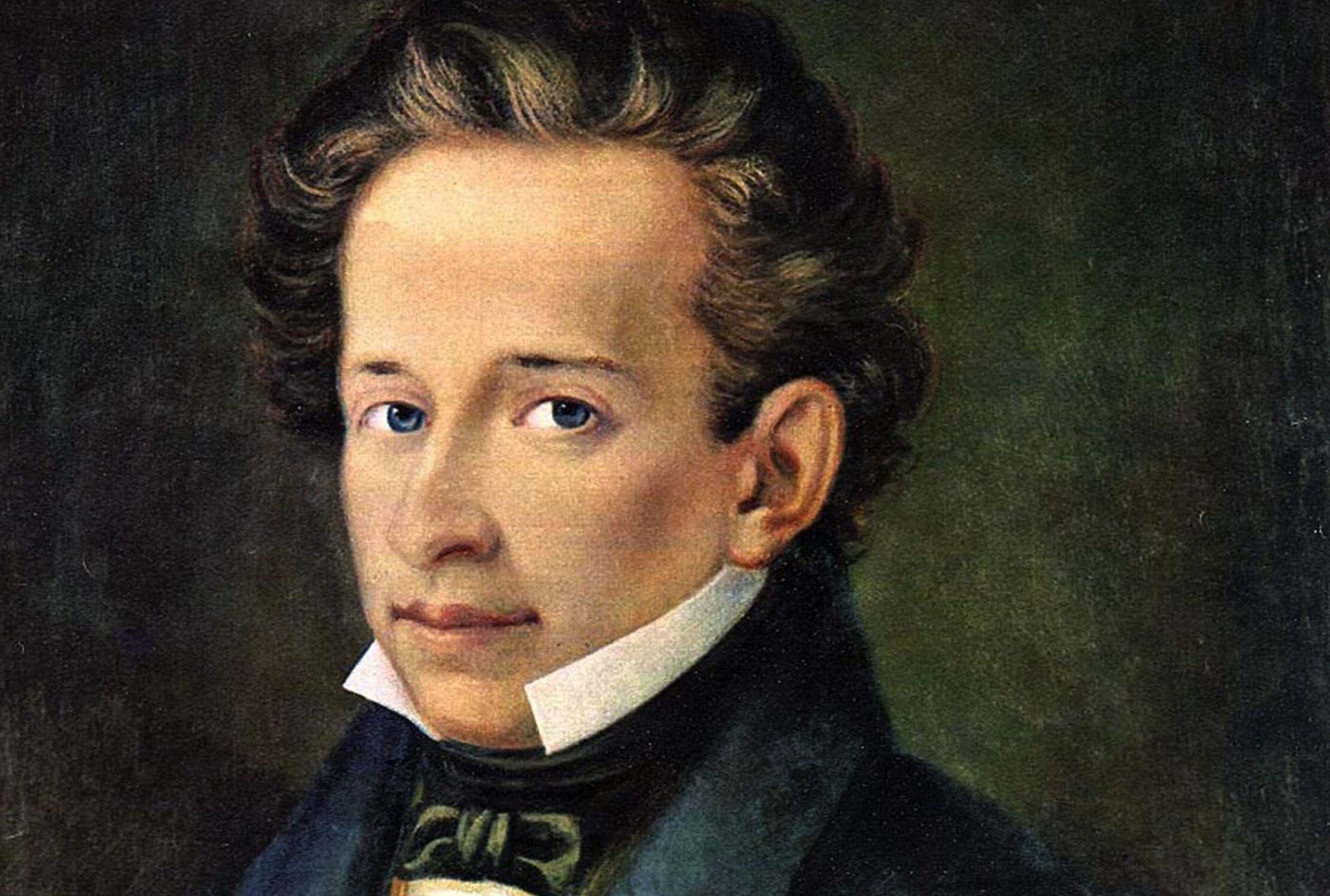
According to a recent remark made on his way home from his trip to Latin America Pope Francis admitted that in focusing so many of his remarks on the poor, he has neglected middle-class families, ie the bourgeoisie, who are struggling to keep their families intact amidst all the various stresses of modern life. It made me think of another group which is also in need of the papal – and the Church’s – pastoral outreach: the unbelieving atheist intelligentsia, those who set the cultural agenda for our times. It may not be a large group compared to the world’s poor, but it is hugely influential in the arts and in the media. You could say it started with the 18th-century Enlightenment and has gathered pace since then, such that modern western, educated man generally doesn’t even raise the question of “God”; he is simply “post-God”, living in a God-free zone where scientific knowledge is all there is and where death means extinction. I have been thinking of this spiritually, if not materially, impoverished group as I have been dipping into a slim book called Passions, translated by Tim Parks and compiled from 164 entries in the “Zibaldone”, a strange, brilliant notebook-cum-commonplace book, written by the Italian poet and man of letters Giacomo Leopardi (1798-1837). Leopardi was born in Recanati into the Italian nobility and raised in the conventional Catholic culture of his times. His mother demonstrated a rigid, almost Jansenist Catholic piety and neither parent showed their gifted and sensitive son any real warmth or affection. In one of his few personal comments in the Zibaldone, Leopardi refers to his “harsh and extremely strict upbringing”. Inevitably, perhaps, he rejected Christian belief when he outgrew his loveless childhood. Between the ages of 12 and 20 he spent long hours shut up in his father’s vast library in the family palazzo (amassed after Napoleon had closed religious institutions), learning several languages and becoming widely read in classical literature. He developed a form of scoliosis because of these scholarly endeavours that marked him for life; in adulthood he was never to experience a normal loving relationship. Leopardi is a precursor of 20th-century man, prefiguring Nietzsche, Samuel Beckett, and others, for whom a profound pessimism about the human condition is the only stance possible. He wrote in the Zibaldone: “Leaving religious belief out of the equation, our going on hoping and living is a happy, natural but also real and constant madness, and something quite contrary to reason, which all too clearly shows that there is no hope for any of us.” According to his translator, Tim Parks, there is “something oddly exhilarating about [such] clear-eyed pessimism” on the part of Leopardi. I don’t agree. Reading these extracts is both deeply moving yet also appalling: moving to note the writer’s attempts to rationalise his solitude and appalling to sense his utter loneliness. Perhaps I differ from Parks because I actually believe that “God so loved the world that he sent his only begotten Son...”, and it saddens me to think that Leopardi, like so many modern intellectuals, placed himself so resolutely outside the consolations of the Christian faith. Actually, it is not Christianity that matters here, but the person of Christ. We live and die (and the saints do heroic deeds) for love of a Person, not a religion. Leopardi did not understand this distinction, writing in one telling (and implicitly autobiographical) passage: “Unfortunately, the hopes Christianity holds out for us are hardly such as to console the man who is unhappy or troubled in this world, or to calm the spirit who finds himself rejected in this life, his desires thwarted, himself scorned and persecuted by men, denied access to pleasures, comforts, conveniences and temporal honours, crushed by bad luck.” What modern, rational, unhappy man doesn’t realise is that the Christian faith is not “otherworldly” in the way Leopardi implies; that would merely make it the opium of the people. The love of Christ is all around us, not “hereafter” but here and now – and this love is what we are called to show to our fellows. The truly impoverished person is one who has never known the love of Christ – the only answer to the loneliness of the human condition. After all, St Augustine did not write that it is our heads but our hearts that “are made for Thee, O Lord” and the motto of Blessed John Henry Newman, nearly an exact contemporary of Leopardi, is “Cor ad cor loquitor” or “Heart speaks to heart.”
2:25 PM
The Italian poet who saw the void where modern, rational man was headed
The pessimistic noble Giacomo Leopardi was a precursor to Nietzsche and Samuel Beckett
Francis Phillips

4 min read



Already a subscriber? Sign in
5freearticles every month
Continue reading with a free account. No card needed.
- Five free articles every thirty days, on any device you sign in on
- The Catholic Herald newsletter, every morning
- Subscribe whenever you like for everything: every article and the magazine
Related articles
 Newsroom
Church leaders urge Drumcree dialogue: ‘Too much is at stake’
The Catholic and Church of Ireland Archbishops of Armagh have urged a renewed commitment to peace and reconciliation amid the Drumcree stand-off
Corrie Douglas-Young Newsroom
Thousands of Irish children to join global Rosary campaign
Corrie Douglas-Young Newsroom
TikTok priest urges young people to stand with persecuted Christians
Nathalie Raffray Newsroom
Baby born at 25 weeks reunites with neonatologist two years after leaving hospital
The Catholic Herald Newsroom
Joe Biden honoured by Planned Parenthood after defending abortion rights
Christine Rousselle
subscribe to the catholic herald today
Our best content is exclusively available to our subscribers. Subscribe today and gain instant access to expert analysis, in-depth articles, and thought-provoking insights—anytime, anywhere. Don’t miss out on the conversations that matter most.
Subscribe



