February 12, 2026

The man who made Britain healthy again

Charlie Hegarty
More
No items found.
Related
Min read
share

Eggs or Anarchy
by William Sitwell, Simon and Schuster, £20

I once asked a Francophile friend what he thought of Napoleon. He replied, “He was an administrator of genius.” The same could be said of Lord Woolton, invited by Neville Chamberlain to become Minister of Food in 1940, when he was 58. His task was enormous: to feed a nation at war.

Woolton was an inspired choice. Earlier in his career he had become joint managing director of Lewis’s, aged 37, turning it from a provincial department store into a national institution. He brought formidable energy, toughness in negotiation and a quiet sense of humour to his new task. Already in 1939, at the Ministry of Supply, he had turned a highly inefficient office into a powerhouse: within four months he had increased the number of firms making army uniforms from five to 500.
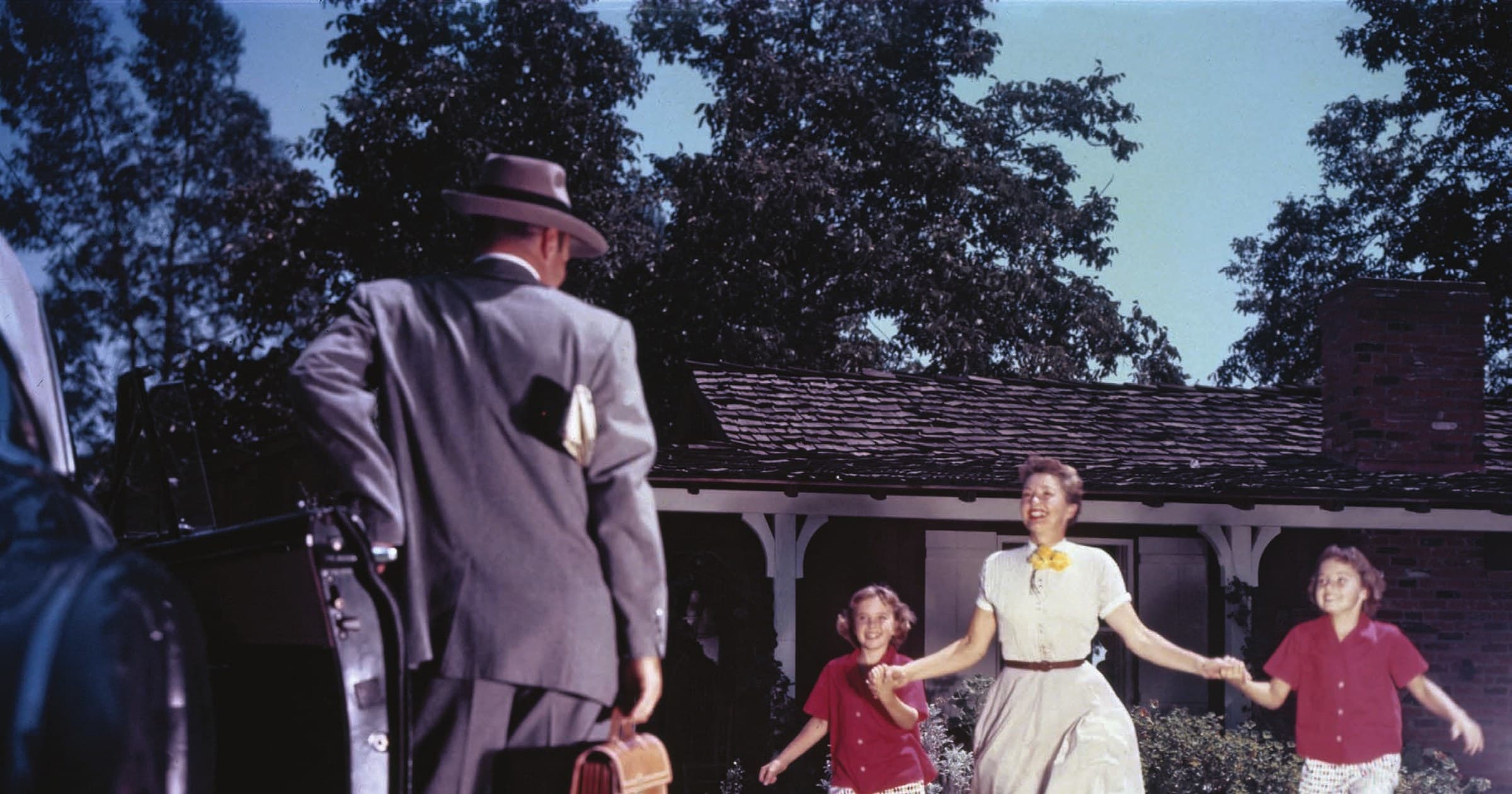
As Minister of Food, Woolton’s greatest success was to persuade the British people that he cared for their welfare. If they disliked rationing, he reminded them that he had come from humble beginnings and had often eaten “this sort of food”.

Wanting to improve the nation’s nutrition and eliminate rickets, with his team of experts he devised a highly nutritious yet economical diet. As he stated in the House of Lords: “As a result ... we can say that many people in this country are more adequately fed now than they were before the war started.”

Sitwell has written a fascinating story of a good bureaucrat, a man of purpose and integrity, rightly credited with ensuring that, by the end of the war, Britain had never been so healthy, with lower infant mortality, less tooth decay and fitter adults. For poor children, healthy school dinners, together with free milk, cod liver oil and orange juice “provided ... a more nutritious diet than they had ever experienced”.

Today, Britain struggles with epidemic levels of obesity and consequent health problems. It is ironic that it took a country at war to organise a national regime of sensible eating. War meant a “nanny state”, with Woolton as the nation’s kindly but firm nanny. We would not tolerate it today.

Eggs or Anarchy
by William Sitwell, Simon and Schuster, £20

I once asked a Francophile friend what he thought of Napoleon. He replied, “He was an administrator of genius.” The same could be said of Lord Woolton, invited by Neville Chamberlain to become Minister of Food in 1940, when he was 58. His task was enormous: to feed a nation at war.

Woolton was an inspired choice. Earlier in his career he had become joint managing director of Lewis’s, aged 37, turning it from a provincial department store into a national institution. He brought formidable energy, toughness in negotiation and a quiet sense of humour to his new task. Already in 1939, at the Ministry of Supply, he had turned a highly inefficient office into a powerhouse: within four months he had increased the number of firms making army uniforms from five to 500.
As Minister of Food, Woolton’s greatest success was to persuade the British people that he cared for their welfare. If they disliked rationing, he reminded them that he had come from humble beginnings and had often eaten “this sort of food”.

Wanting to improve the nation’s nutrition and eliminate rickets, with his team of experts he devised a highly nutritious yet economical diet. As he stated in the House of Lords: “As a result ... we can say that many people in this country are more adequately fed now than they were before the war started.”

Sitwell has written a fascinating story of a good bureaucrat, a man of purpose and integrity, rightly credited with ensuring that, by the end of the war, Britain had never been so healthy, with lower infant mortality, less tooth decay and fitter adults. For poor children, healthy school dinners, together with free milk, cod liver oil and orange juice “provided ... a more nutritious diet than they had ever experienced”.

Today, Britain struggles with epidemic levels of obesity and consequent health problems. It is ironic that it took a country at war to organise a national regime of sensible eating. War meant a “nanny state”, with Woolton as the nation’s kindly but firm nanny. We would not tolerate it today.

subscribe to
the catholic herald

Continue reading your article with a subscription.
Read 5 articles with our free plan.
Subscribe

subscribe to the catholic herald today

Our best content is exclusively available to our subscribers. Subscribe today and gain instant access to expert analysis, in-depth articles, and thought-provoking insights—anytime, anywhere. Don’t miss out on the conversations that matter most.
Subscribe