



At the end of this month the world will be marking the 20th anniversary of the tragic death of Diana, Princess of Wales, which occurred in the early morning of Sunday, 31st August 1997. A 20th anniversary is a significant one, and given that August is traditionally a slow news month, we can expect to see extensive coverage of the anniversary. Indeed this has already begun, with two major documentaries, one on Channel 4, and one on ITV, the latter made with the co-operation of her sons, the former promising, but hardly delivering, new material. There has also ben a series of news stories, which will no doubt continue, some of them featuring recriminations about old wounds, and revelations about matters which should surely be forgotten. The late Princess lived in the glare of publicity, and was being pursued by photographers when she died. Many may undoubtedly feel that she is best left to rest in peace, and Catholics in particular, used as we are to praying for the dead on their anniversaries, may wish to pray for the repose of her soul, and ignore much of the raking over of the details of her life. Sadly, the media have not learned to leave the late Princess alone, and we ought to reflect on why this is so, and why, over the coming month, we shall be hearing so much more about her. The continuing fascination with Diana reflects the desire to fill an emptiness at the heart of public discourse. We lack heroes. Of the few we have, many reflect our own inability to make sense of our lives. Diana died before she had fully found the role which seemed to be hers, as “queen in people’s hearts”. Acclaimed by the then idolised Tony Blair as “the people’s Princess”, she reminds us that we are all lost in the world, people who live incomplete lives. Diana was also loved for her beauty, hence the many photographic tributes to her. Catholic iconography should remind us of that beauty is only skin deep, and that real beauty is found within a person. It is part of the mission of the Church to proclaim that beauty is a moral quality, not a physical one. Diana’s vulnerability, and her evident unhappiness in marriage, must also make us question our own values. If someone is unhappy, we should respect their privacy, and not want to read about them in the press. If someone is unhappy we should above all want to help them, in order to assuage their grief. We should absolutely not revel in their pain, masking this as an act of sympathy. Too much of the coverage of Diana was and is thinly disguised voyeurism. This must be deeply upsetting to her family, who have a right to privacy, whatever their public role. May she rest in peace, and may all of us here below find some sense and meaning in this earthly pilgrimage.
12:00 PM
The meaning of Diana
The Catholic Herald

5 min read



Already a subscriber? Sign in
5freearticles every month
Continue reading with a free account. No card needed.
- Five free articles every thirty days, on any device you sign in on
- The Catholic Herald newsletter, every morning
- Subscribe whenever you like for everything: every article and the magazine
Related articles
 Newsroom
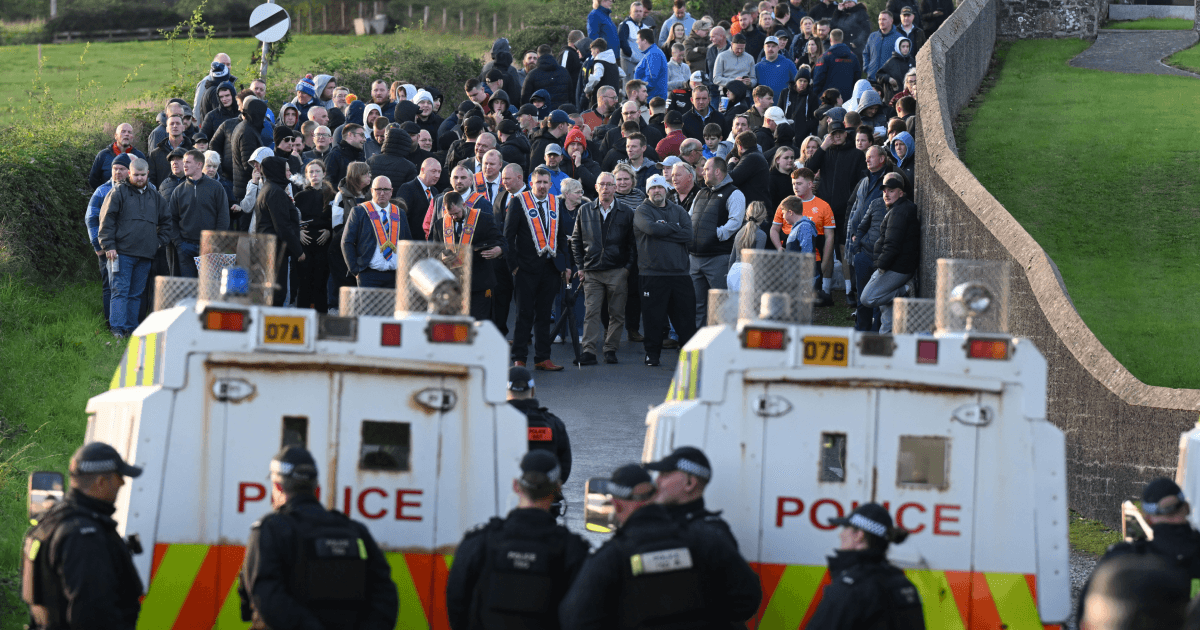
Church leaders urge Drumcree dialogue: ‘Too much is at stake’
The Catholic and Church of Ireland Archbishops of Armagh have urged a renewed commitment to peace and reconciliation amid the Drumcree stand-off
Corrie Douglas-Young Newsroom
Thousands of Irish children to join global Rosary campaign
Corrie Douglas-Young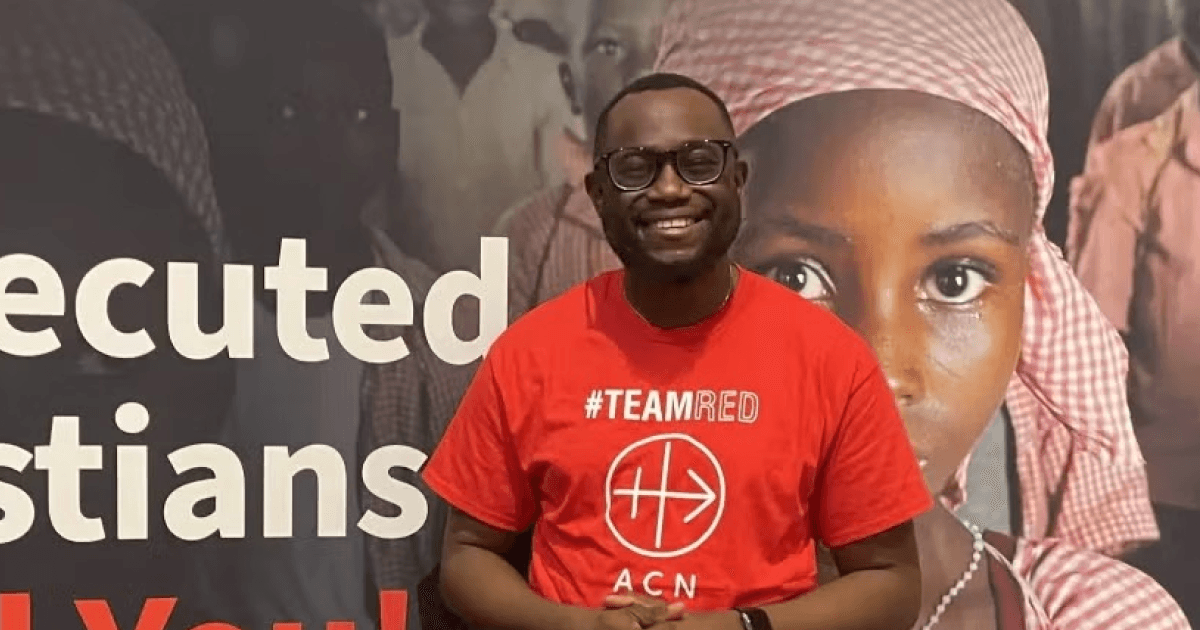 Newsroom
TikTok priest urges young people to stand with persecuted Christians
Nathalie Raffray Newsroom
Baby born at 25 weeks reunites with neonatologist two years after leaving hospital
The Catholic Herald Newsroom
Joe Biden honoured by Planned Parenthood after defending abortion rights
Christine Rousselle
subscribe to the catholic herald today
Our best content is exclusively available to our subscribers. Subscribe today and gain instant access to expert analysis, in-depth articles, and thought-provoking insights—anytime, anywhere. Don’t miss out on the conversations that matter most.
Subscribe



