




Science has attempted to explain it, but ties itself in knots.
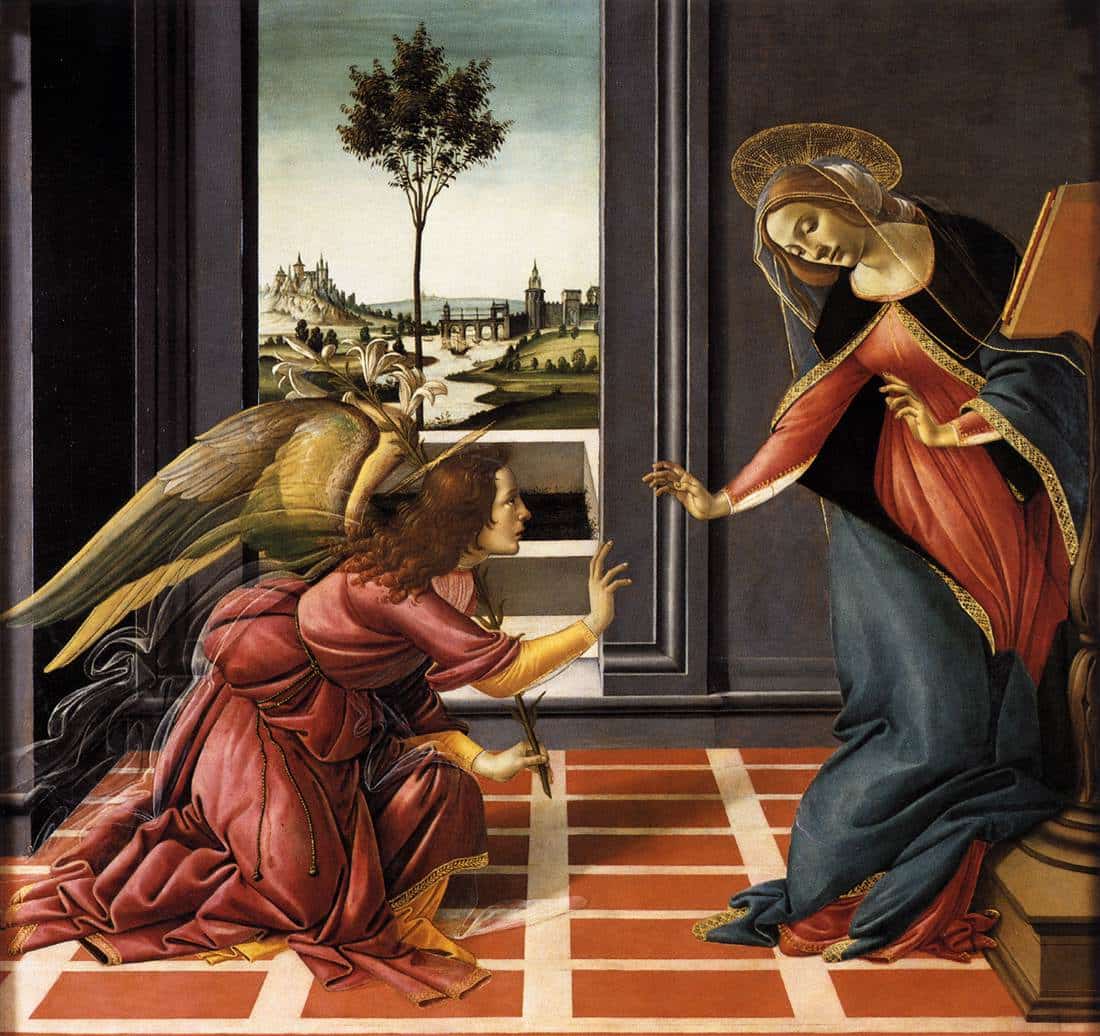
On March 25, we celebrate the Feast of the Annunciation, also known as the Feast of the Incarnation in which we commem-orate the archangel Gabriel’s visit to the Blessed Virgin Mary marking the moment she conceived her son Jesus Christ. So important is this event in human history, that for many centuries, Christians celebrated the beginning of the new year on this feast day.
Now although modern science has nothing to say about the possibility of a divine person becoming incarnate, there has been some scientific speculation on whether it is biolog-ically possible for a virgin to conceive a child. This gained a degree of scientific res-pectability in 1955 when the gen-eticist Dr Helen Spurway gave a lecture reporting the case of a female guppy fish that was able to produce offspring, all of them female, without any involvement of the male. Thisphenomenon is known as parthenogenesis,coming from the Greek words parthenos meaning virgin and genesis meaning creation. Parthenogenesis has been known about since the 18th century when the naturalist and philosopher Charles Bonnet discovered that aphids could reproduce asexually. Spurway’s lecture is particularly noteworthy because she concluded it by speculating that perhaps parthenogenesis is also possible in human beings. This suggestion captured the public imagination.