



Daniel Comboni (1831-81) was not merely a great missionary in Central Africa; he inspired new European attitudes towards the natives, whom he insisted on regarding not as children in need of care, but rather as adults in need of guidance. It helped, too, that he had a genius for languages, becoming an expert in Central African dialects. In addition he spoke six European languages, as well as Arabic. He also published valuable studies of African geography and ethnology. The son of poor agricultural workers who lived beside Lake Garda in Lombardy, Daniel Comboni was born on March 15 1831. The fourth child in a family of eight, he proved the only one to survive childhood. The boy’s talents were soon evident, and his devout parents secured a place for him at the Catholic Mazza Institute in Verona, where he studied philosophy and theology and discovered his vocation. He was ordained at the end of 1854. The Mazza Institute prepared priests for African missions, and in 1857 Comboni, with five others, was sent out to Khartoum. For the next two years he worked along the White Nile, encountering immense difficulties in a sweltering climate among a starving population. One of his fellow missionaries died, but this only inspired Comboni to further efforts. “We will have to labour hard,” he wrote, “to sweat, to die; but the thought that one sweats and dies for love of Jesus Christ and the salvation of the most abandoned souls in the world is far too sweet for us to desist from this great enterprise.” Ill-health forced Comboni to return to Italy in 1859. Over the next years he developed his ideas about missionary work, and published his Plan for the Rebirth of Africa. The essence of his thinking was that Africa should be evangelised through the quality of its people: “Save Africa through Africa.” Comboni travelled through Europe preaching this message, urging not merely the Church but the laity also to become involved in the challenge offered by Africa. In 1867 he founded in Verona the Comboni Missionaries (renamed the Sons of the Sacred Heart after his death). An order of Missionary Sisters was established in 1872. Comboni himself made eight visits to Africa. He insisted that missionaries should properly understand African society and customs, and to that end established an institute in Cairo. In 1872 he was appointed pro-vicar apostolic of Central Africa, with pastoral responsibility for 100 million souls in Nubia, Sudan and south of the great lakes. He founded further missionary stations in El-Obeid, Khartoum, Berber, Delen and Malbes. A terrible drought in Sudan in 1877 inspired him to work even harder. He also strove to suppress the slave trade, using his acquaintance with the Khedive and the Governor of Sudan. Comboni was canonised in 2003.
5:34 PM
The missionary who laboured to save the most abandoned souls in the world
St Daniel Comboni (October 10) inspired new European attitudes to Africans
Spiritual Life

3 min read



Already a subscriber? Sign in
5freearticles every month
Continue reading with a free account. No card needed.
- Five free articles every thirty days, on any device you sign in on
- The Catholic Herald newsletter, every morning
- Subscribe whenever you like for everything: every article and the magazine
Related articles
 Newsroom
Church leaders urge Drumcree dialogue: ‘Too much is at stake’
The Catholic and Church of Ireland Archbishops of Armagh have urged a renewed commitment to peace and reconciliation amid the Drumcree stand-off
Corrie Douglas-Young Newsroom
Thousands of Irish children to join global Rosary campaign
Corrie Douglas-Young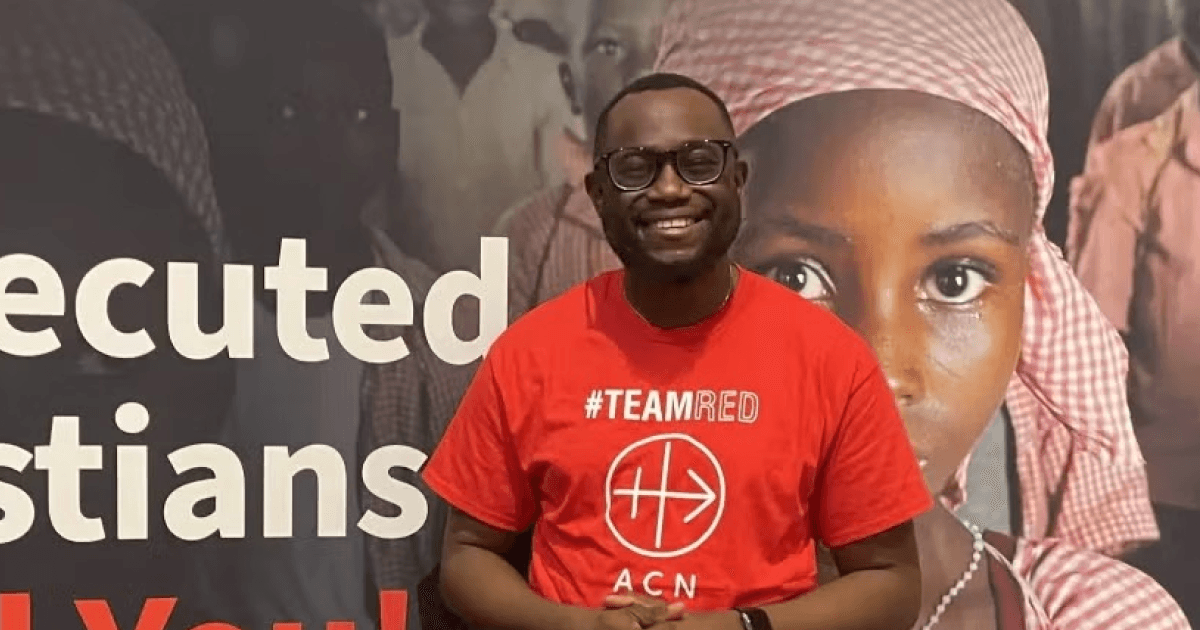 Newsroom
TikTok priest urges young people to stand with persecuted Christians
Nathalie Raffray Newsroom
Baby born at 25 weeks reunites with neonatologist two years after leaving hospital
The Catholic Herald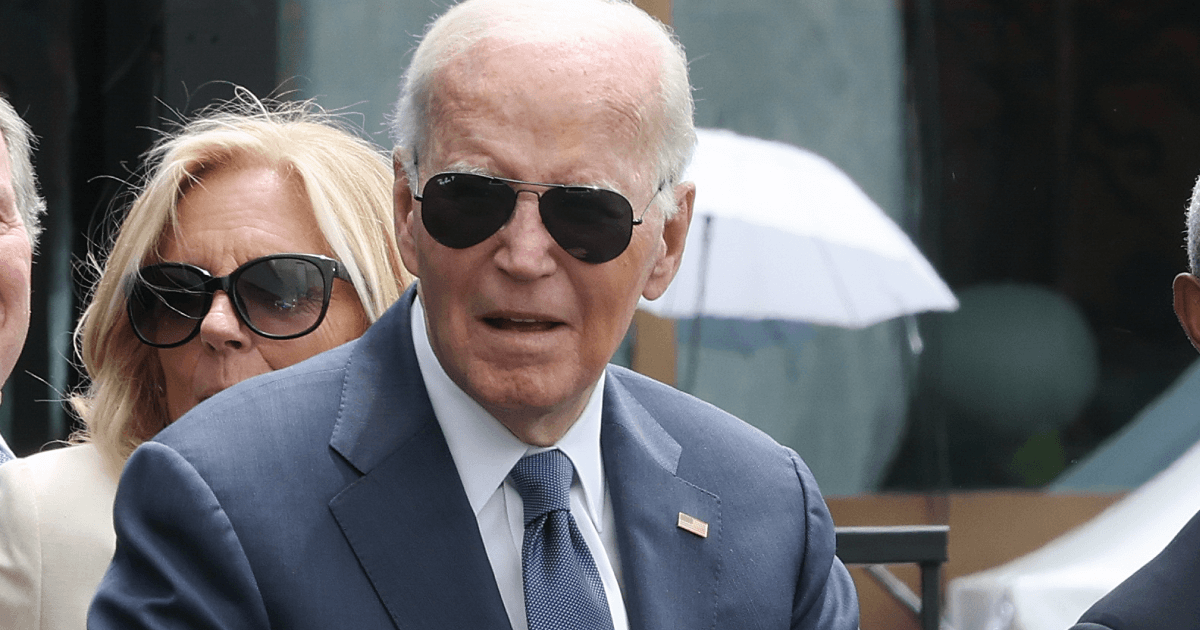 Newsroom
Joe Biden honoured by Planned Parenthood after defending abortion rights
Christine Rousselle
subscribe to the catholic herald today
Our best content is exclusively available to our subscribers. Subscribe today and gain instant access to expert analysis, in-depth articles, and thought-provoking insights—anytime, anywhere. Don’t miss out on the conversations that matter most.
Subscribe



