



Fursey (died 648) was an Irish monk who helped to advance Christianity in both East Anglia and northern France. Precisely where and when Fursey was born is unknown. According to a seventh-century life, he established a monastery at Louth, some 35 miles north of Dublin. The Venerable Bede records that Fursey experienced a vision, in which angels carried him out of his body to a great height. Looking down into a gloomy valley, he saw four fires. The first, an angel explained, was Falsehood; the next Covetousness; the third Discord and the last Injustice. Gradually these fires drew together into one mighty conflagration. Fursey became alarmed. The angel, though, reassured him: “It will not burn you because you did not kindle it; for although it appears as a great and terrible fire, it tests everyone according according to his desert, and will burn away sinful desires.” Fursey did not entirely escape, for one of the demons who tortured fallen spirits in the flames thrust a victim against him, causing him to be burnt on his (presumably ghostly) shoulder and jaw. Fursey recognised the man, and remembered that he had appropriated some of his clothes after he died. Restored once more to his body, he found that he had a permanent scar on his shoulder and jaw. Bede heard this story from a monk who had met Fursey. His informant recalled that, although it was a bitterly cold day when he saw the saint, who was but thinly clad, the holy man was sweating profusely – “either”, as Bede suavely observes, “because of the consolation or the terror of his recollections”. Around 637 Fursey crossed the Irish Sea to begin his life as a missionary. His first field of endeavour was in East Anglia, where King Sigbert wanted to restore Christianity after the depredations of the pagan Redwald. Inspired by another vision, Fursey built a monastery on some land given him by Sigbert at Cnobheresburg (Burgh Castle in Suffolk). Soon, though, he turned over the administration of the monastery to his brother Fullan, and went to live with another brother, Ultan, who had become a hermit. After he had spent some 10 years in East Anglia the kingdom was attacked by the paganissimus Penda of Mercia. Fursey fled across the Channel, where he was welcomed by the Frankish King Clovis II. The King’s wife Balthild was an Anglo-Saxon aristocrat who had been sold into slavery in Gaul. Whether or not through this contact, Fursey was able to found another monastery at Lagnac, near Paris on the River Marne, before dying on a journey in 649. Disputes over where he should be buried testified to the high regard in which he was held. Finally he was laid to rest in Péronne, where his cult continued to grow.
1:00 AM
The monk who was burned by a demon in his sleep
St Fursey (January 16) helped advance Christianity in East Anglia and northern France
Spiritual Life

3 min read



Already a subscriber? Sign in
5freearticles every month
Continue reading with a free account. No card needed.
- Five free articles every thirty days, on any device you sign in on
- The Catholic Herald newsletter, every morning
- Subscribe whenever you like for everything: every article and the magazine
Related articles
 Newsroom
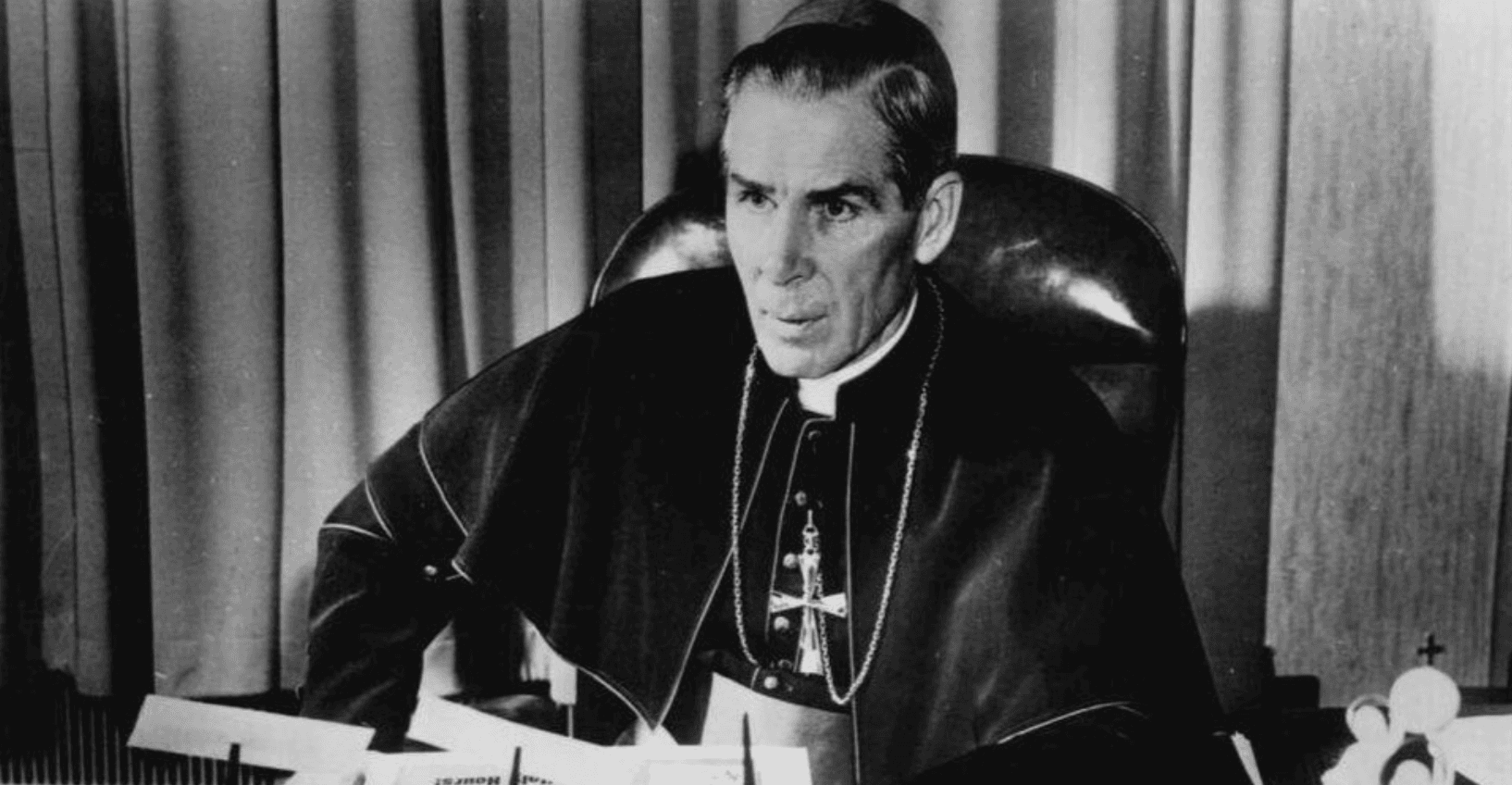
First parish named for Bl Fulton Sheen established in Illinois
Bishop Louis Tylka of Peoria announced the new Blessed Fulton Sheen Parish two days after Sheen became the first American-born bishop to be beatified
Christine Rousselle Newsroom
Injured priest tells Poles: ‘Do not blame Ukraine’ for convent attack
Corrie Douglas-Young Newsroom
Church leaders urge Drumcree dialogue: ‘Too much is at stake’
Corrie Douglas-Young Newsroom
Thousands of Irish children to join global Rosary campaign
Corrie Douglas-Young Newsroom
TikTok priest urges young people to stand with persecuted Christians
Nathalie Raffray
subscribe to the catholic herald today
Our best content is exclusively available to our subscribers. Subscribe today and gain instant access to expert analysis, in-depth articles, and thought-provoking insights—anytime, anywhere. Don’t miss out on the conversations that matter most.
Subscribe



