


In the city of Yining in north-west China local Catholics built a soaring church. Beneath two red, blue and gold striped domes stood two statues. Between them rose a giant cross. At least, it did until February 27. That was when officials descended on the church, tearing down the domes, the saints and the cross. Then, according to the respected site ucanews.com, they went inside, took down the Stations of the Cross and even chipped off cross-shaped decorations in the pews. The church is one of the latest victims of what China’s critics are calling the “new Cultural Revolution”. They argue that the present crackdown on Christianity is comparable to the one led by Red Guards between 1966 and 1976. Why would Chinese officials tolerate an iconoclastic attack on a Catholic church when they are on the verge of a historic agreement with the Holy See? There are several possible explanations. One is that the church is located in the relatively obscure Xinjiang province and officials may have hoped that the assault could be kept out of the Western media. Another is that local party members with a special animus for Christianity targeted the church without Beijing’s permission. The region is notorious for the oppression of religious minorities: thousands of Muslim Uighurs have recently been sent to prison or re-education camps. A third possibility is that local apparatchiks thought that, given the new anti-religious winds blowing from the capital, targeting the church would please their superiors. Given the relative obscurity of Yining and China’s tight control of information, we are unlikely to discover the truth. Yet we can say with certainty that a new wave of iconoclasm is sweeping China, and that it appears to have the tacit approval of the country’s ever more powerful leader Xi Jinping, now effectively president for life. The new assault is not limited to church decoration. Under new rules on religious activities introduced on February 1, Christians are only allowed to worship in churches at government-approved times. Group prayer in any other location – including private homes – is now illegal. Credible reports suggest that churches must now post signs forbidding under 18s to enter. This is what is really happening in the country that a Vatican bishop recently described as a world leader in implementing Catholic social doctrine. The Holy See is unlikely to complain about the mauling of the church in Yining. It senses that it is nearing the end of trying negotiations with Beijing over a concordat guaranteeing certain rights for Catholics. If it were to denounce the oppression of Christians now, it would jeopardise that agreement. But not speaking out is also costly. It emboldens party officials who see believers as a threat to communist rule. It demoralises local Catholics who have readily suffered for their loyalty to Rome. It makes Chinese Protestantism – which is growing at a much faster rate than Catholicism – seem the more uncompromising branch of Christianity. And it dents the Holy See’s moral authority: the true source of its power in the 21st century.
12:00 PM
The new Cultural Revolution
The Catholic Herald

5 min read



Already a subscriber? Sign in
5freearticles every month
Continue reading with a free account. No card needed.
- Five free articles every thirty days, on any device you sign in on
- The Catholic Herald newsletter, every morning
- Subscribe whenever you like for everything: every article and the magazine
Related articles
 Newsroom
Church leaders urge Drumcree dialogue: ‘Too much is at stake’
The Catholic and Church of Ireland Archbishops of Armagh have urged a renewed commitment to peace and reconciliation amid the Drumcree stand-off
Corrie Douglas-Young Newsroom
Thousands of Irish children to join global Rosary campaign
Corrie Douglas-Young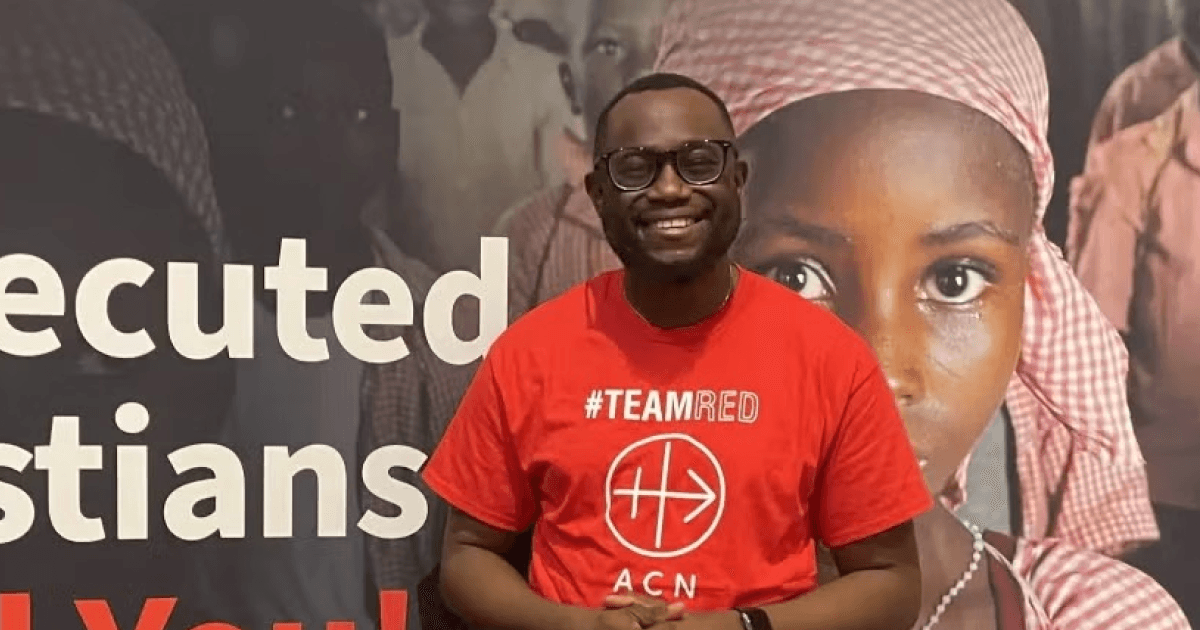 Newsroom
TikTok priest urges young people to stand with persecuted Christians
Nathalie Raffray Newsroom
Baby born at 25 weeks reunites with neonatologist two years after leaving hospital
The Catholic Herald Newsroom
Joe Biden honoured by Planned Parenthood after defending abortion rights
Christine Rousselle
subscribe to the catholic herald today
Our best content is exclusively available to our subscribers. Subscribe today and gain instant access to expert analysis, in-depth articles, and thought-provoking insights—anytime, anywhere. Don’t miss out on the conversations that matter most.
Subscribe



