
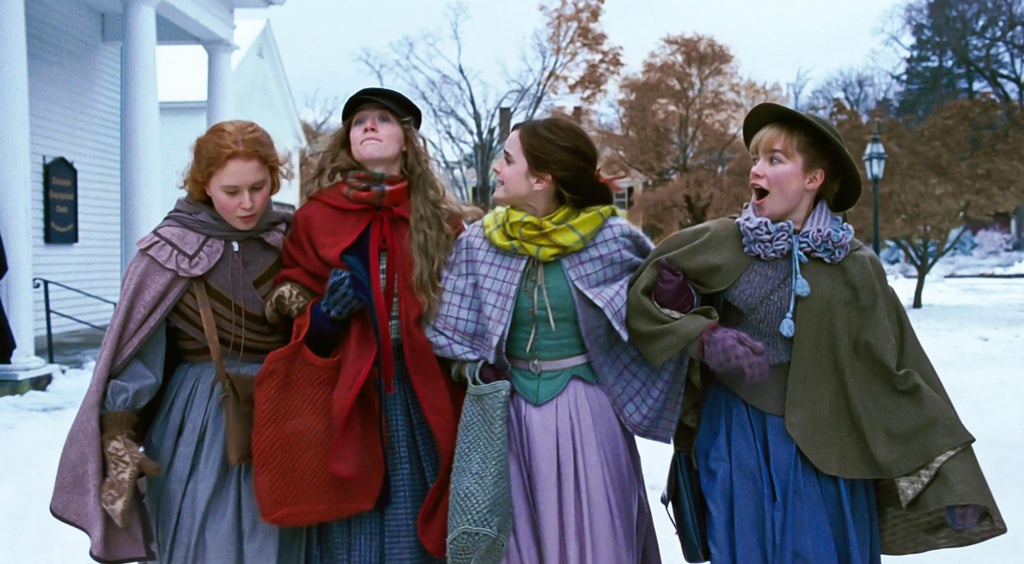
The latest film version of Louisa May Alcott’s Little Women, directed by Greta Gerwig, has been a critical and popular success. It has a feminist message, surely, but an element of female empowerment was there, in the text. Jo March always was a strong female character, active and boyish – even masculine. In the book, Jo describes herself as “the man of the family”. The movie is unusually pretty to look at – one reviewer described the cinematographer (the Frenchman Yorick Le Saux) as having raided the paintbox of the Impressionists for colour. It’s altogether an engaging story, as it always was, acted with verve and warmth. Sometimes too much warmth – a lot of showbiz hugging and kissing is not really typical of New England Puritans of the 1860s. Classic stories are always revised with a contemporary slant, so the Little Women of today omits the spirit of Protestant virtue that pervades the book. Alcott’s writing is quite moralistic, and these female characters were embedded in their religious way of life – their father is a pastor, which only emerges peripherally in the movie version. Patrick Young, a blogger who specialises in Civil War history, has pointed out that Louisa May Alcott held strong prejudices against Irish immigrants, and endorsed the common practice of “No Irish Need Apply” notices. Alcott wrote about the latter, approvingly, in an 1870s newspaper. She had fired her Irish maid, whom she called Biddy, for having “the faults of her race”. She urged her readers not to employ Irish women. So it’s an irony of history that an Irishwoman, Saoirse Ronan, is today the leading star of Little Women.
12:00 AM
The new Little Women would shock Louisa May Alcott
the latest film version of louisa may alcott’s little women, directed by greta gerwig, has been a critical and popular success. it has a fem...
Mary Kenny

4 min read



Already a subscriber? Sign in
5freearticles every month
Continue reading with a free account. No card needed.
- Five free articles every thirty days, on any device you sign in on
- The Catholic Herald newsletter, every morning
- Subscribe whenever you like for everything: every article and the magazine

subscribe to the catholic herald today
Our best content is exclusively available to our subscribers. Subscribe today and gain instant access to expert analysis, in-depth articles, and thought-provoking insights—anytime, anywhere. Don’t miss out on the conversations that matter most.
Subscribe



